
Continuing an 80 year legacy: Bette Buna, Ethiopia
Our next Roasters Reserve comes from Bette Buna in Ethiopia, a G1 natural from Megadu in the Guji zone, fermented under carbon dioxide for 144 hours before it went anywhere near a drying bed.
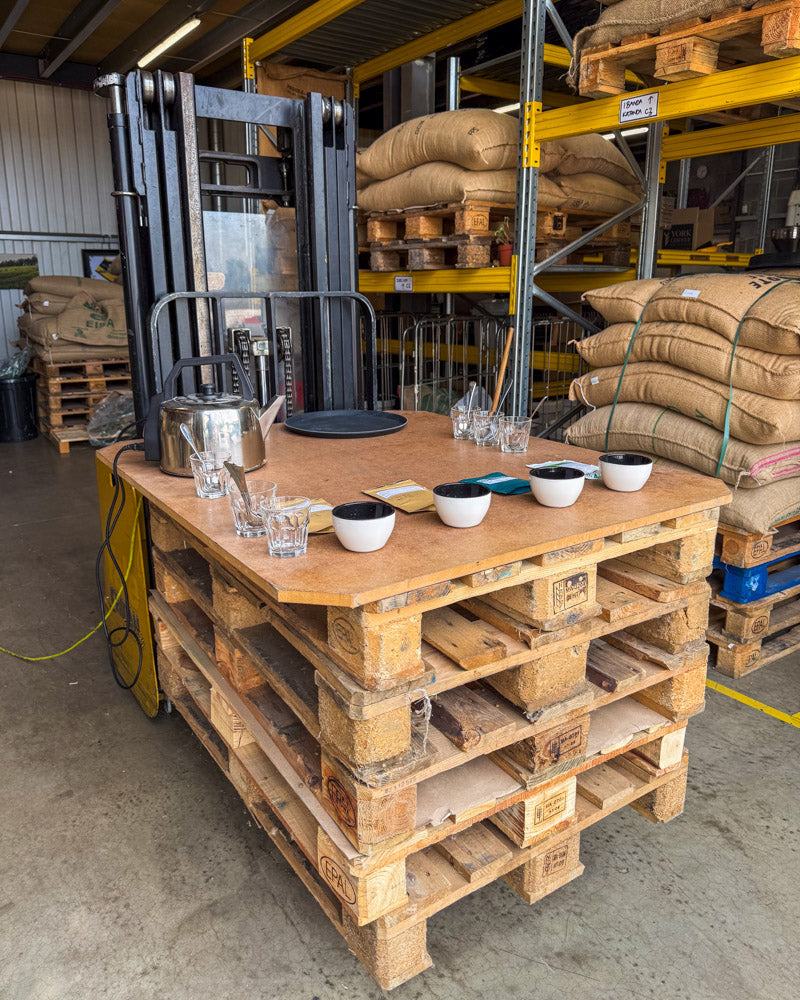
We cupped it at 86.5. It is grapefruit and tonic water at the top, liquorice and cacao nibs underneath, and something very close to Black Forest gateaux sitting in the middle of it.
We have 30kg of it, and once that has gone there will not be another.
The coffee is unusual enough on its own, but the reason we bought it starts with a two hectare farm in Sidama and a request made by Dawit Syoum's grandmother after her husband passed away.
Coffee details
- Origin: Ethiopia
- Producer: Bette Buna
- Location: Megadu, Guji
- Lot: G1 Cherry Spark
- Altitude: 1,900 to 2,300 metres above sea level
- Varietals: 74112, 74110 and wild Guji Megadu
- Process: Natural, 144 hour CO2 fermentation
- Cup score: 86.5
- Cup profile: grapefruit, tonic water, liquorice, cacao nibs, Black Forest gateaux
The farm that was asked to stay open

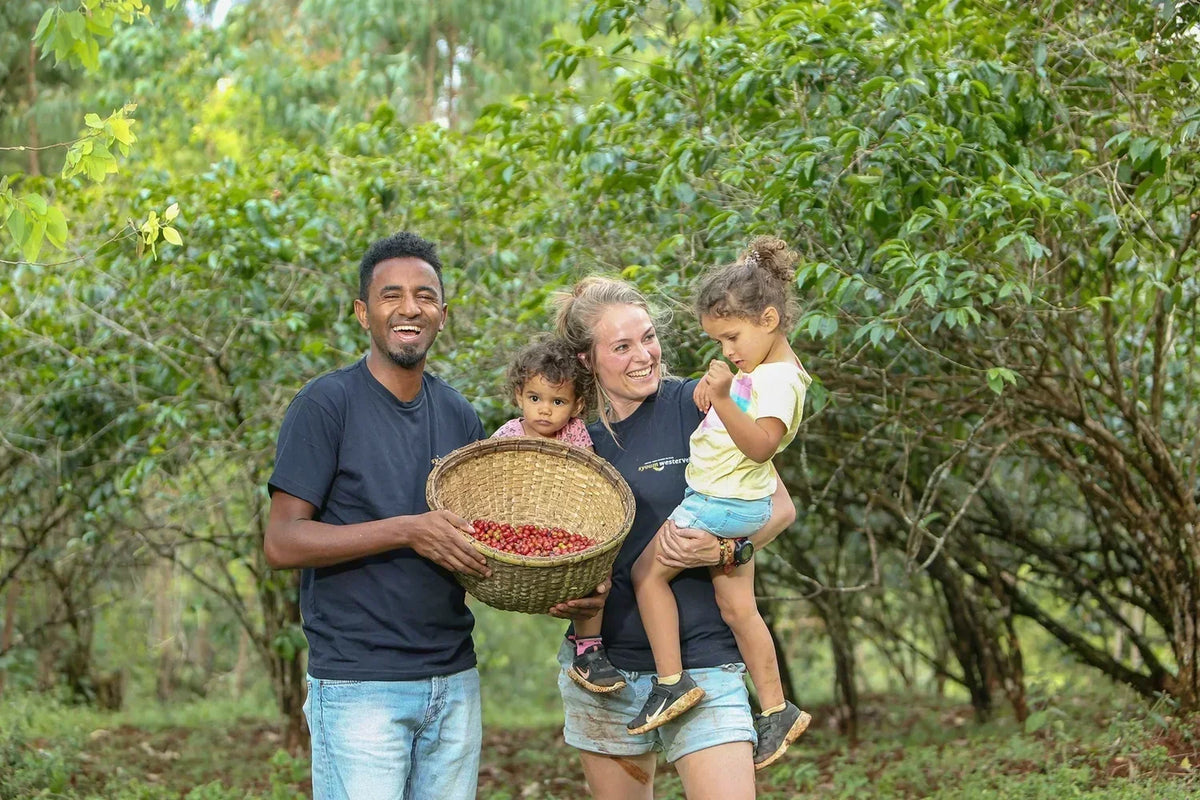
Dawit Syoum's grandfather farmed coffee at Taferi Kela, in the D'ara woreda of Sidama, for around eighty years. When he died, his widow asked that the family keep the place open, as a home where neighbours could feel safe, learn and work together.
Dawit and his wife Hester started Bette Buna out of that request in 2020. Hester grew up in the Netherlands and had been working in Ethiopia since 2009, which is where the two of them met. The name means house of coffee, and it is meant fairly literally.
The farm they inherited was two hectares. What has grown out of it is an Ethiopian company that farms, processes, quality controls and exports its own coffee, with its own mill and lab in Addis Ababa rather than a broker standing between the farm and the roaster.
What partnership looks like here

Bette Buna put the figure at up to eighty per cent of people in Sidama relying on coffee for their income, which means the health of the farms around Taferi Kela is not a side project for them but the same problem they are working on themselves, and it shapes the way the whole company operates.
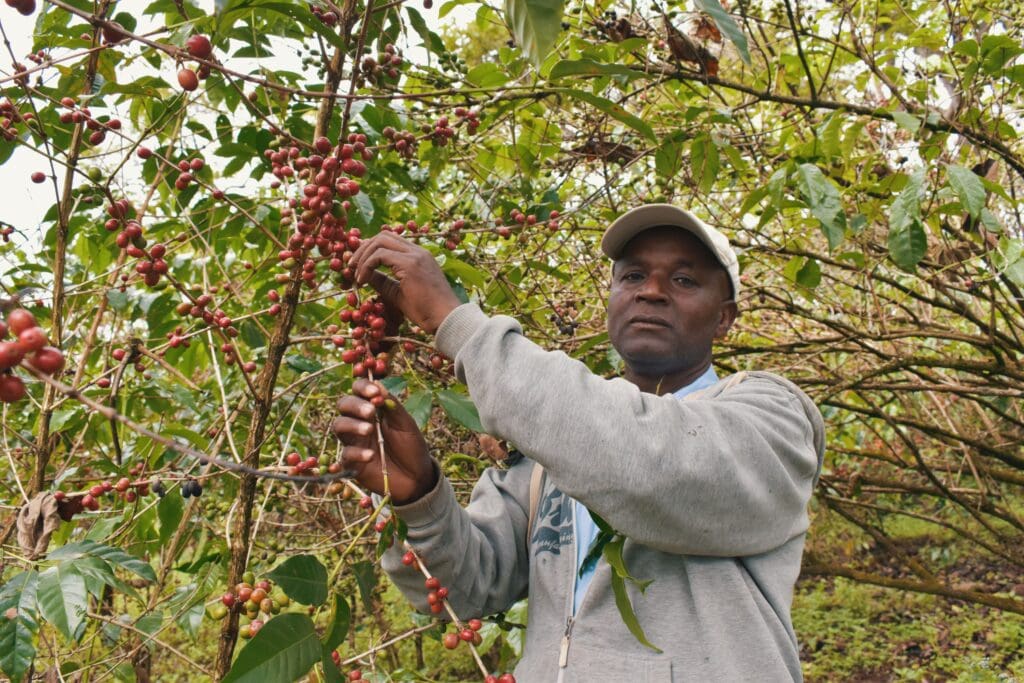
They run year round workshops on soil management, composting and farm technique, and they grow more than 350,000 new coffee seedlings a year in their own nursery, alongside shade trees for the plots the seedlings go into. Their stated aim is to be working alongside 3,500 farming families within the next two years, and they also help farmers reach finance and run entrepreneurship programmes for young people in both communities.
None of it is handed down as a favour, because the farmers they buy from are named on the lots, people like Sentayu, Duba, Saffay, Hassan, Haji Bule and Birkeneh, and the training, the seedlings and the buying relationship are all parts of the same arrangement. Bette Buna need those farms to get better, and the farmers need a buyer who will pay for the difference, so both halves of it have to work.
That thinking carries into how they employ people, so staff at the farms get housing, meals, transport out to the remote plots and satellite schooling for their children, and the work is structured so people learn processing and agronomy on the job rather than simply picking.
Megadu, Guji

This particular coffee comes from Megadu, in the Guji zone east of Sidama, which is the second place Bette Buna took on.
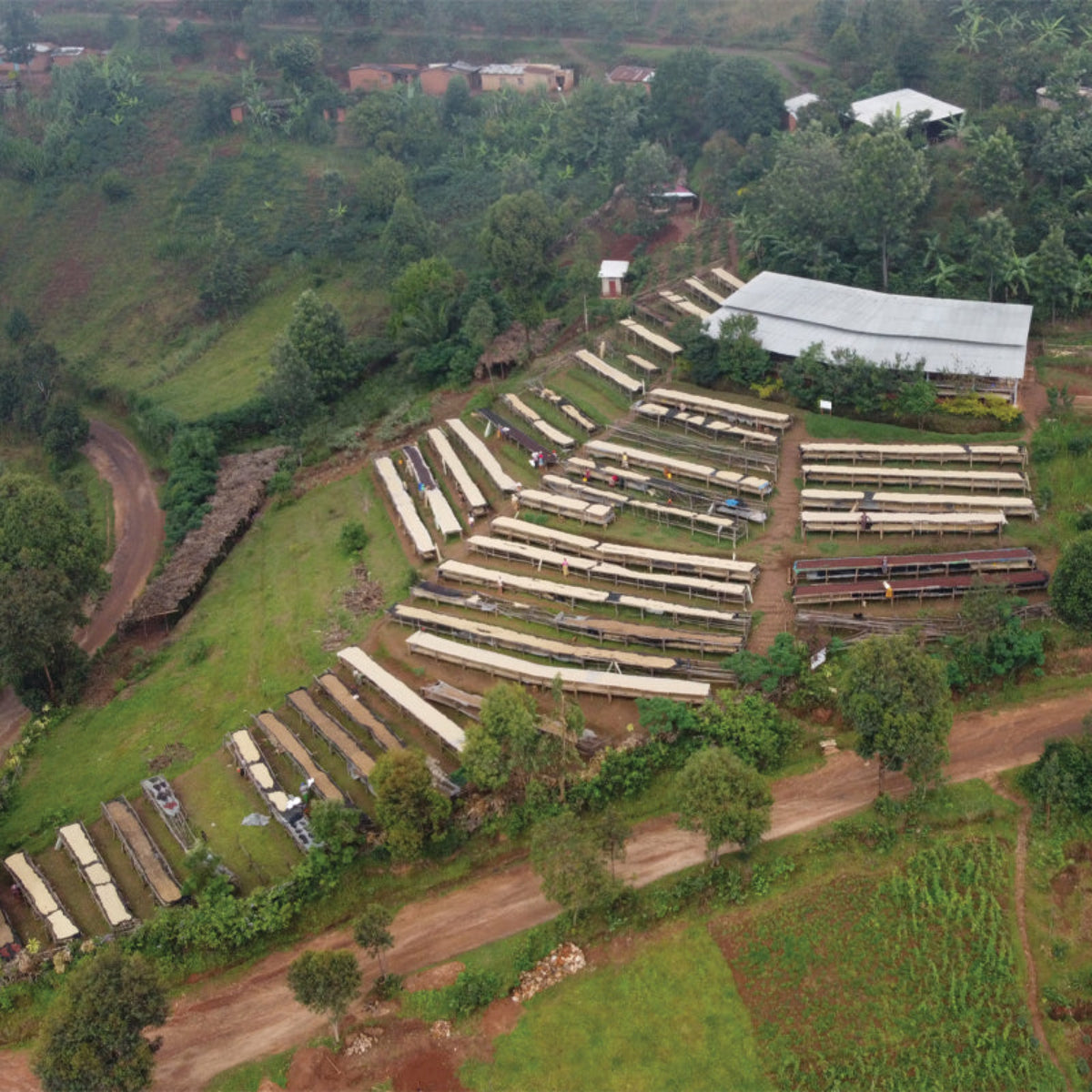
Megadu is 220 hectares of coffee forest rather than neat rows, split between semi-managed and genuinely wild plots, and it takes around 850 full time and seasonal people to work through a harvest. Guji has a long reputation for naturally processed coffee, and the cherries here grow between 1,900 and 2,300 metres, which is high even by Ethiopian standards.
Altitude is never the whole story, but at that elevation cherries ripen slowly, and slow ripening is part of why this lot has the acidity and the sweetness to carry six days of fermentation without falling apart. Our guide to how altitude affects coffee taste goes into that properly.
The varietals are worth a note: 74110 and 74112 are selections released by Ethiopia's Jimma research centre, chosen decades ago for disease resistance and now widely planted across the south, while the third component on this lot is listed simply as wild Guji Megadu, which is the forest material growing on the land itself.
What 144 hours under CO2 actually does

A natural coffee is dried whole, in the fruit, and the fermentation that happens inside that fruit is a large part of what you taste. Left in the open air it is a difficult thing to steer, which is why classic naturals can run anywhere from clean strawberry to heavy and boozy.
Bette Buna seal the whole cherries into hermetic barrels and displace the oxygen with carbon dioxide, then leave them for 144 hours before the cherries go out onto raised beds to dry. Cherry Spark is the longest ferment in their range, with the rest of their CO2 lots sitting at 96 or 120 hours.
Taking the oxygen out changes which microbes can work and slows the whole thing down, so instead of a fast, hot ferment you get a long, cool one that the producer can actually control. In the cup that usually shows up as fruit that stays defined rather than blurring into alcohol, plus a rounder acidity and more body. There is more on this in our guide to coffee processing methods, from washed to anaerobic.
Half a US dollar on every pound (weight) of this lot is set aside for a community composting hub at Megadu, including a vermicomposting unit that doubles as a working demonstration for the farmers around it. The processing experiment and the compost heap are funded by the same sale, which tells you something about how the company is put together.
How it tastes
We scored this at 86.5, with grapefruit, tonic water, liquorice, cacao nibs and Black Forest gateaux.
The top of the cup is dry and citric rather than sweet and juicy. Grapefruit and tonic water is a fair description of it, bitter in the pleasant quinine sense, with the acidity cutting rather than glowing. Underneath that is the dark end, liquorice and cacao nibs, which gives the coffee a spine and stops the acidity running away with it.
Black Forest gateaux is the note that ties the two together, and it is exactly what six days of cherry fermentation tends to give you, dark cherry and chocolate arriving as one thing rather than two.
It is not the floral, tea-like Ethiopian cup that people often expect, and it is not a jammy natural either. This one is drier, darker and more savoury than both, and it rewards drinking slowly as it cools.
How to brew it
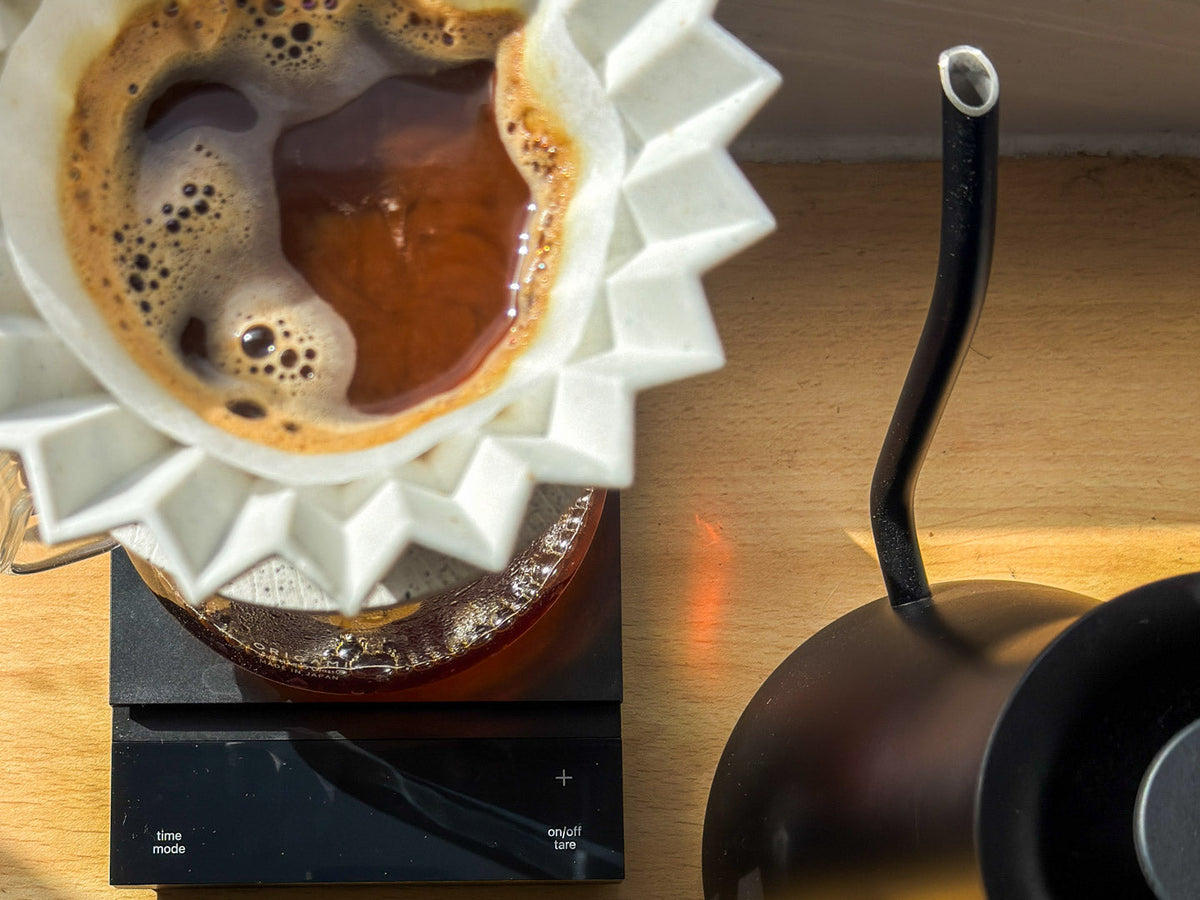
We would recommend a pour over to start, with a medium grind, filtered water and a steady recipe, which will let the grapefruit and the cacao sit alongside each other rather than one burying the other.
As a starting point, try 15g of coffee to 250g of water, or 18g to 300g. Brew just off the boil and aim for around three to four minutes in total.
If it comes out too sharp or too dry, grind a little finer or drop the temperature slightly. If the liquorice and cacao are dominating and the fruit has gone, grind a touch coarser.
It will take espresso, and the Black Forest side of it comes forward under pressure, but it is an intense shot and small changes to grind and yield will move it a long way.
Why we chose this coffee

Roasters Reserve is where we put the coffees that are worth the extra attention, and this one earns it twice over.
The cup is genuinely unusual, and it is unusual in a way we can explain rather than a way we have to apologise for. The process is documented, the farm is named, the people who grew it are named, and the premium on the lot has a stated destination.
What made the decision easy, though, is that the coffee and the company point in the same direction. A business built out of a request to keep a farm open to its neighbours has ended up producing one of the more precise natural coffees we have tasted this year, and those two facts are not a coincidence.
Thirty kilos is all we have, and it is on sale now. Our Dispatch subscribers get first access to every new release, so if you want first refusal on the next one, sign up below.
Photography by Bette Buna.