


Coffee Processing Methods Explained: Washed to Anaerobic
7 minute read
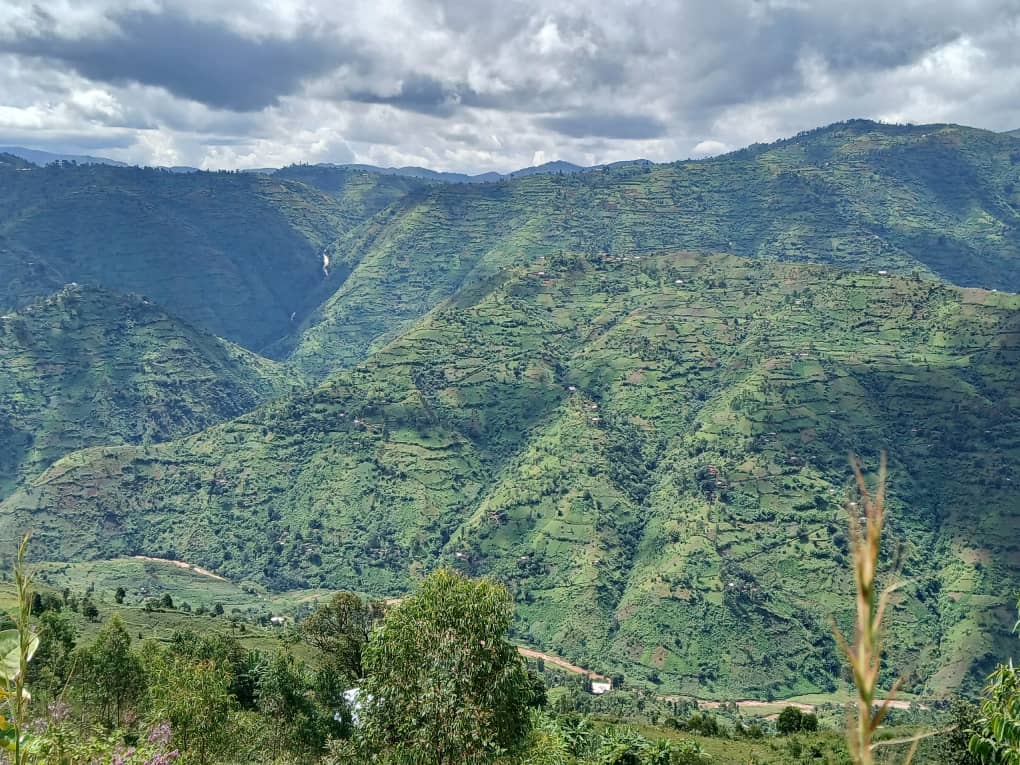
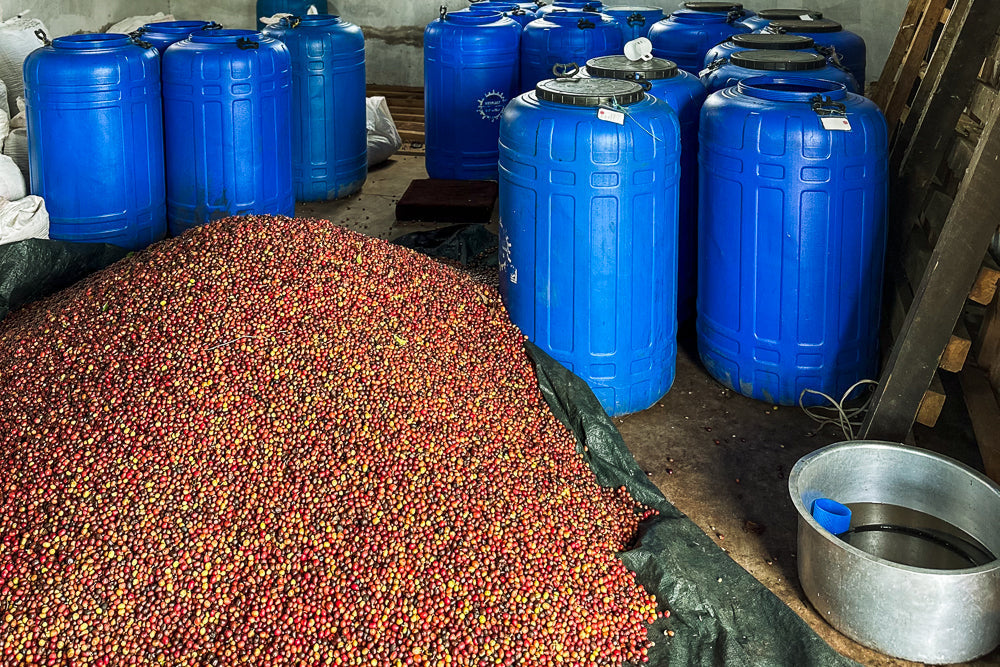
Somewhere in the hills above Bujumbura, a batch of coffee cherries spent two days sealed inside a tank with the air shut out, fermenting in their own juice before anyone laid them out to dry. That one decision, made the best part of a year before the beans reached our roastery, is most of the reason the Burundi we're releasing soon tastes the way it does.
It's the part of coffee that's easiest to skip past. We tend to talk about origin, altitude and roast, and gloss over the stretch in between, the few weeks after picking when the fruit is taken off the bean and the seed is dried down. That stage has a name, processing, and it carries far more of the final flavour than most people realise.
So with the Burundi about to land, here's how it works: the main methods, what each one does to the cup, and the coffees in our range that show them off.

What processing actually means
A coffee bean is a seed. It grows inside a small fruit called a cherry, wrapped in sweet, sticky pulp. Before the bean can be roasted, that fruit has to come off and the seed has to be dried down to a stable moisture level so it can travel and store without spoiling.
Processing is simply how that job gets done. The decisions a producer makes, how much of the fruit stays in contact with the bean, for how long, and under what conditions it ferments and dries, leave a clear fingerprint in the cup. Get it right and you lift everything that was already in the coffee. Push it in a particular direction and you can change the flavour completely.
There are three classic routes, washed, natural and honey, plus a newer wave of experimental methods like anaerobic fermentation. Here's how each one works.
Washed: the clean one
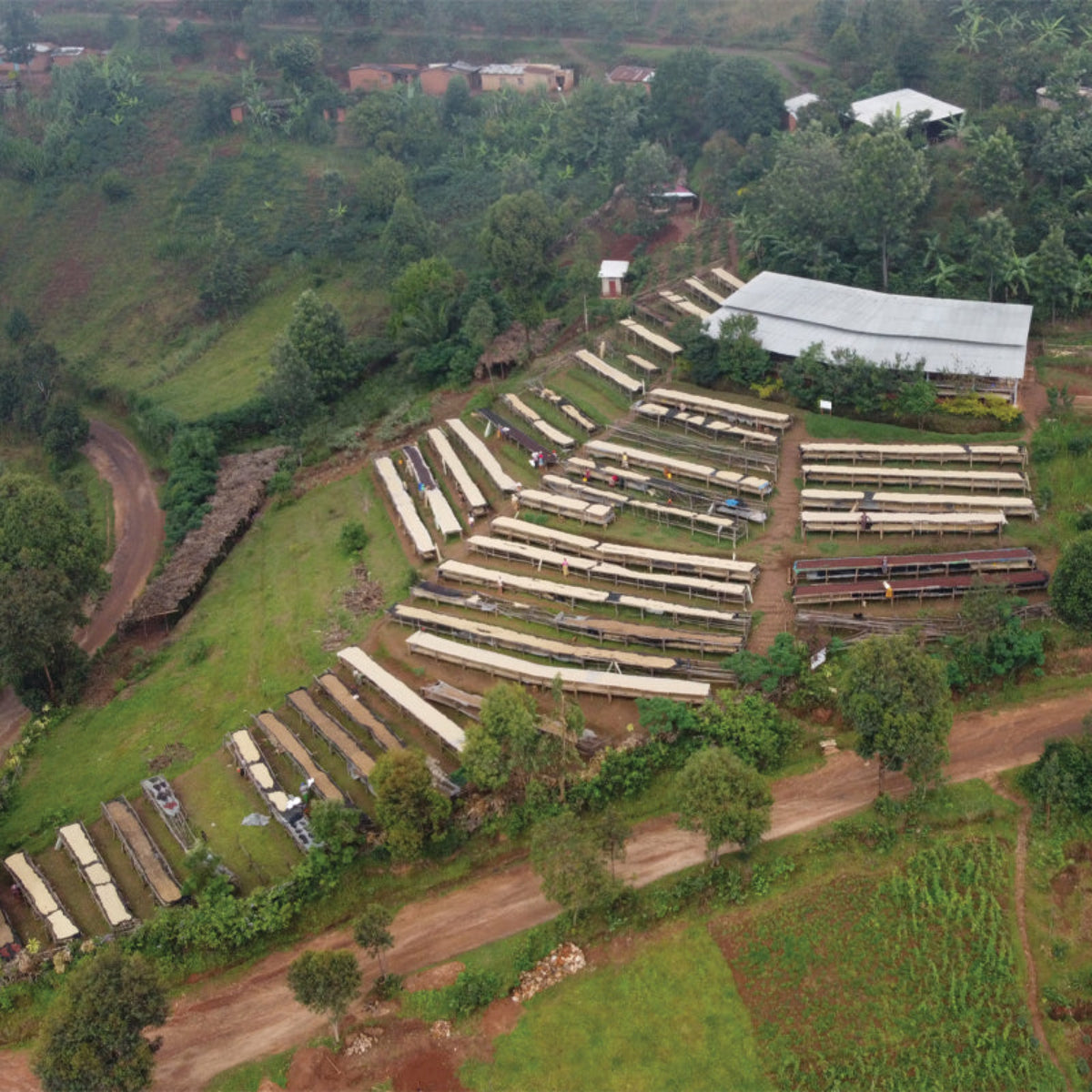
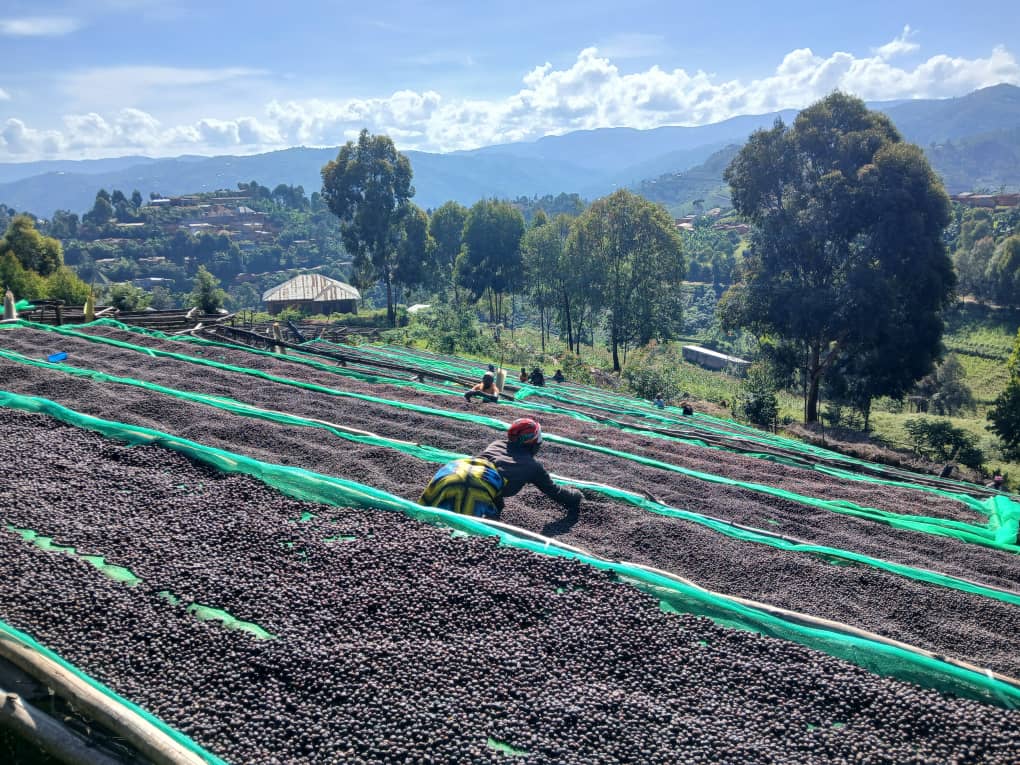
In a washed process, the skin and fruit are pulped off the cherry almost straight away. The bean, still coated in a layer of sticky mucilage, is then fermented in tanks and rinsed with water until it comes away clean, leaving the bare seed in its parchment to dry on raised beds or patios.
Because the fruit is removed early, very little of it makes its way into the bean. What you get is clarity. Washed coffees tend to taste bright and clean, with acidity that's easy to pick out and a cup that shows off the origin itself rather than the processing. If you want to taste what a particular region or altitude actually does to a coffee, a washed lot is usually the clearest window.
It's the dominant method across most of East Africa and Central America. Most of our African single origins are washed, including the Rwanda Kirunga, with its cola, raisin and molasses sweetness sitting on a clean backbone.
Natural: the fruity one
The natural process is the oldest method there is, and in some ways the simplest. Instead of stripping the fruit off, the whole cherry is laid out to dry intact, fruit and all, often for several weeks. The bean sits inside its own pulp the entire time, slowly soaking up sugars and fruit character as it dries.
The result is a heavier, sweeter, more fruit-forward cup. Naturals often taste of berries, tropical fruit or something close to a boozy, fermented sweetness, with a fuller body and softer acidity than a washed coffee. They can be wild and they can be divisive, but a well-made natural is one of the most enjoyable things in coffee.
Our Indonesia Gayo Natural is a lovely one to learn the style on. Sumatra almost always processes its coffee a different way, by wet hulling, so a clean natural from the Gayo Highlands is genuinely unusual. It comes through with bergamot, citrus and pineapple over a nutty base, fruitier and more aromatic than most people expect from Indonesia.
Honey: the one in the middle
Honey processing sits between the two. The skin gets pulped off like a washed coffee, but instead of being washed clean, some or all of the sticky mucilage is left on the bean as it dries. That sticky layer is where the name comes from. It's about the texture of the mucilage, not the flavour, so a honey coffee doesn't actually taste of honey.
How much mucilage is left behind gives you the different styles, usually labelled white, yellow, red or black honey, running from the cleanest to the fruitiest. The idea is to land in the sweet spot between the two, the body and sweetness of a natural with more of the clarity of a washed coffee. It's most associated with Central America.
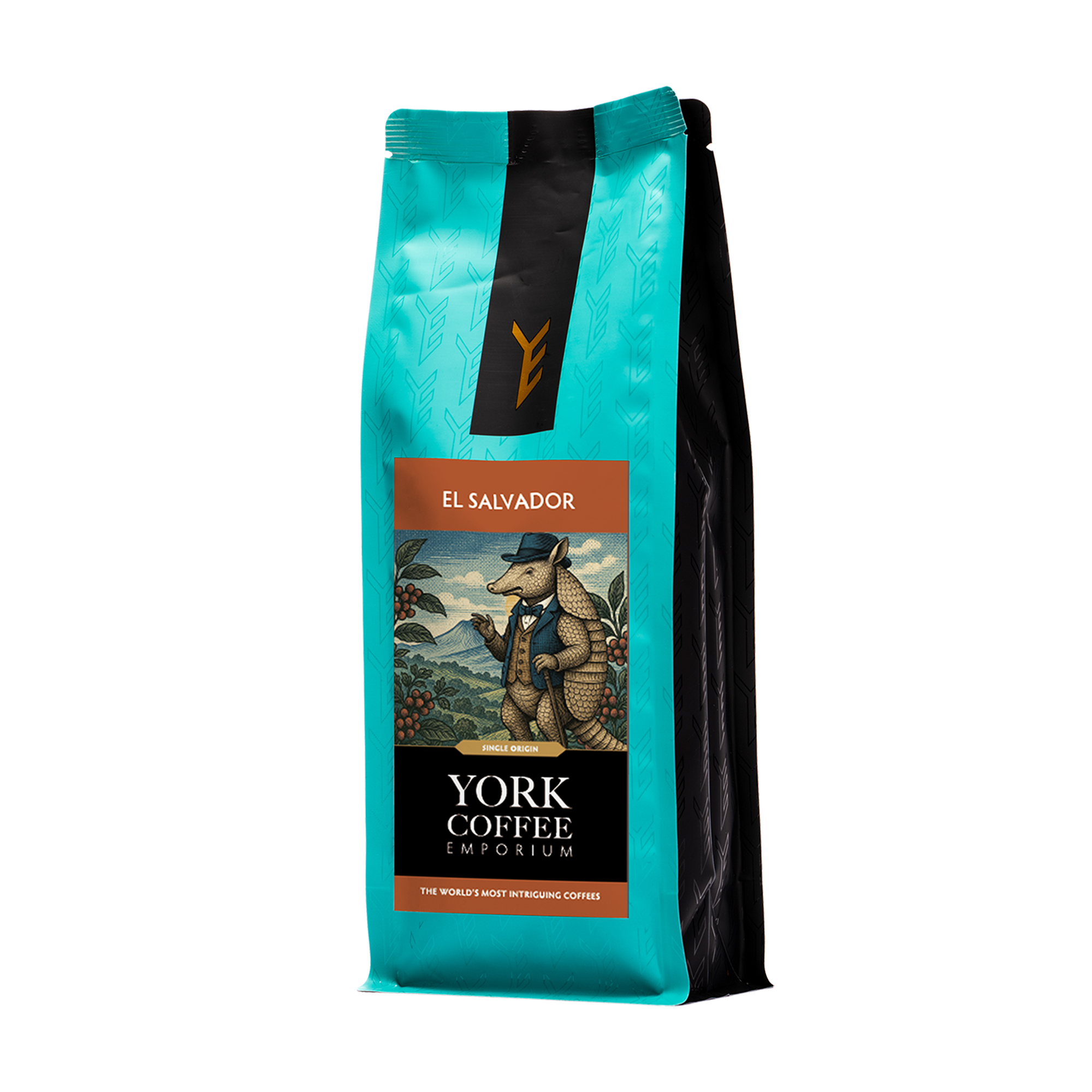
Honey lots are harder to come by than washed or natural, which is part of why we don't have one on the shelves at the moment. Leaving the mucilage on means a longer, more hands-on drying time, a real reliance on dry weather, and a higher risk of the batch spoiling, so producers tend to run them in smaller, occasional lots. The last one we stocked was an El Salvador Black Honey from Finca Santa Petrona, a family farm in the Santa Ana region run by Federico Pacas Lopez. Black honey leaves the most fruit on the bean of any honey style, and it came through with juicy red berries, dates and a sticky caramel body. When the right one comes along again, we'll have it back.

Anaerobic and experimental: the new frontier
This is the most talked-about corner of coffee right now, and it's where our upcoming Burundi sits. In an anaerobic fermentation, the cherries are sealed into closed tanks with the oxygen excluded, often submerged in water, and left to ferment under those controlled conditions before drying. Cutting out the oxygen changes which microbes are doing the work, and that changes the flavours they create.
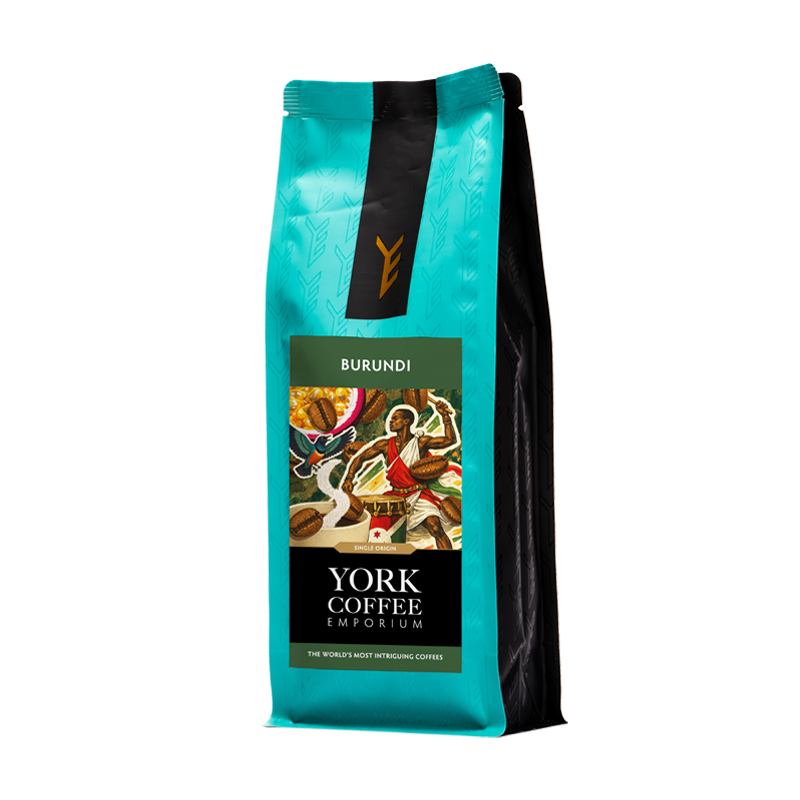
The effect can be dramatic. Anaerobic lots tend to push fruit character much further than a standard process, sometimes into notes that barely read as coffee at all. Our Burundi Migoti Anaerobic, a Red Bourbon grown in the hills above Bujumbura, spent two full days fermenting in sealed tanks before drying, and it carries passion fruit, caramel and cream that the country's traditional washed method simply doesn't reach.
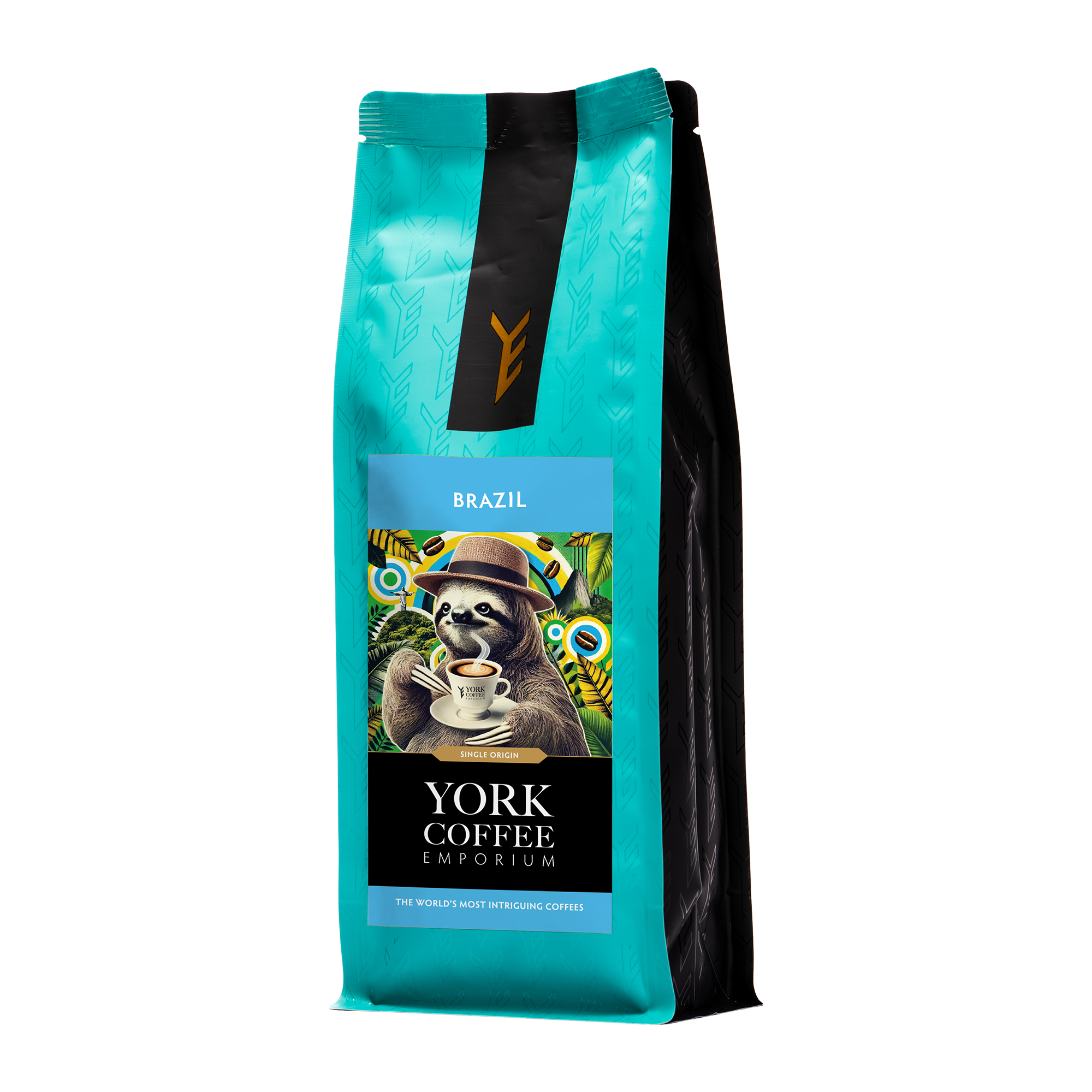
It isn't the only experiment we've run. We've stocked a Brazil Fermentado with a wild raspberry and tropical fruit profile, and a Colombia processed by a slow, cold ice fermentation that came through with blood orange and black cherry. These methods are newer, more involved, and a bit polarising, but at their best they show how much room there still is to discover in a crop that's been grown for centuries.
How to taste the difference
The easiest way to understand processing is to taste two coffees side by side. Brew a washed coffee and a natural from a similar region, made the same way, and the gap is obvious almost straight away. The washed cup will feel cleaner and brighter, the natural rounder, sweeter and fruitier. Once you've felt that contrast once, you start noticing it everywhere.
From there, an anaerobic lot is the next step. It takes the fruit-forward side of a natural and turns it up, which is exactly what you'll taste when the Burundi lands.
Rwanda Kirunga (Washed)
Cola, raisin and molasses. Clean and balanced.
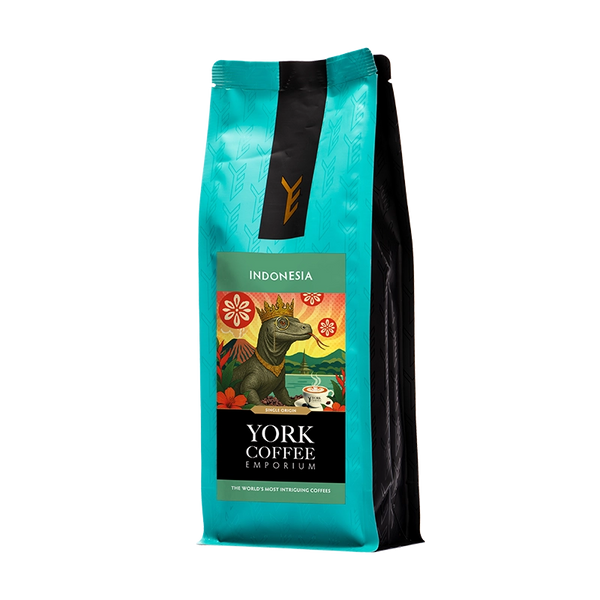
Indonesia Gayo (Natural)
Bergamot, citrus and pineapple over a nutty base.

Burundi Migoti (Anaerobic)
Passion fruit, caramel and cream. Coming soon.
Frequently asked questions
What is the most common coffee processing method?
The washed process is the most widely used method for specialty coffee, especially across East Africa and Central America. It produces the clean, bright, origin-transparent cup that a lot of people picture when they think of good coffee.
Does the processing method change the caffeine?
No, not in any meaningful way. Caffeine sits inside the bean and is mostly fixed by the variety and growing conditions, not by how the fruit is removed afterwards. Processing changes flavour, body and sweetness rather than the caffeine content.
Is anaerobic coffee the same as natural coffee?
No. A natural coffee is dried with the whole fruit left on the bean. An anaerobic coffee is fermented in sealed, oxygen-free tanks, which can be done with the fruit on or off. The two can overlap, but anaerobic refers specifically to the oxygen-free fermentation, and it tends to push fruit character much further.
What does honey processed coffee mean?
Honey processing leaves some of the sticky fruit layer, the mucilage, on the bean while it dries, rather than washing it off. The name refers to that stickiness, not the taste. It sits between washed and natural, giving you sweetness and body with more clarity than a full natural.
Which processing method is best?
There isn't a best one, just different results. Washed coffees are clean and bright, naturals are fruity and full, honey coffees sit in between, and anaerobic lots are the most adventurous. The fun is in tasting across them and working out what you enjoy most.
Taste it for yourself
The Burundi Migoti Anaerobic is released next week, in 200g, 500g and 1kg bags across all our usual grind options, and it's the clearest example of what processing can do that we've had on the shelves in a while.
If you'd like first notice when it goes live, join our dispatch list below. In the meantime, a washed coffee and a natural side by side is the best possible way to get your palate ready for it.