

A good bag of coffee can go a long way, or nowhere at all. The difference is usually four things: the grind, the brew, the water, and how you store your coffee.
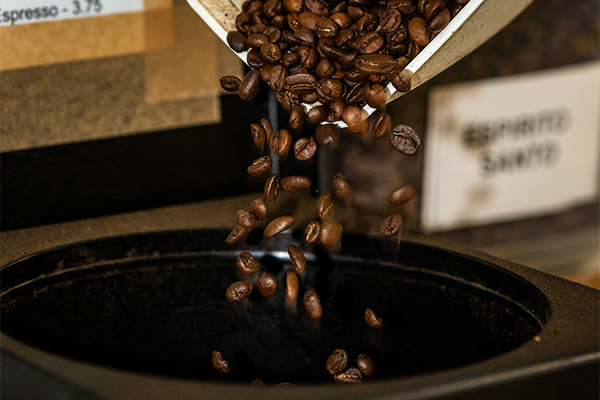
Most of our customers grind their own beans at home. Thank you, it really does matter. So we'll start there...
The Grind
This is the one that catches most people out. The wrong grind for your brew method is the single fastest way to make good coffee taste flat, bitter, or sour.
Here's the short version, coarse to fine:
| Grind | Looks like | Brew method |
|---|---|---|
| Coarse | Sea salt | Cafetière, percolator |
| Medium-coarse | Rough sand | Chemex |
| Medium | Table salt | Drip machine, AeroPress for longer brews |
| Medium-fine | Granulated sugar | V60, pour-over, AeroPress |
| Fine | Powdered sugar | Espresso, stovetop / Moka pot |
The rule of thumb
If your coffee tastes sour or weak, the grind is too coarse. Water is passing through too fast.
If it tastes bitter or harsh, it's too fine. Water is struggling to get through.
Adjust in small steps.
One extra note: darker roasts are more brittle than light roasts, so they often want a slightly coarser grind than the chart suggests.
Worth experimenting.

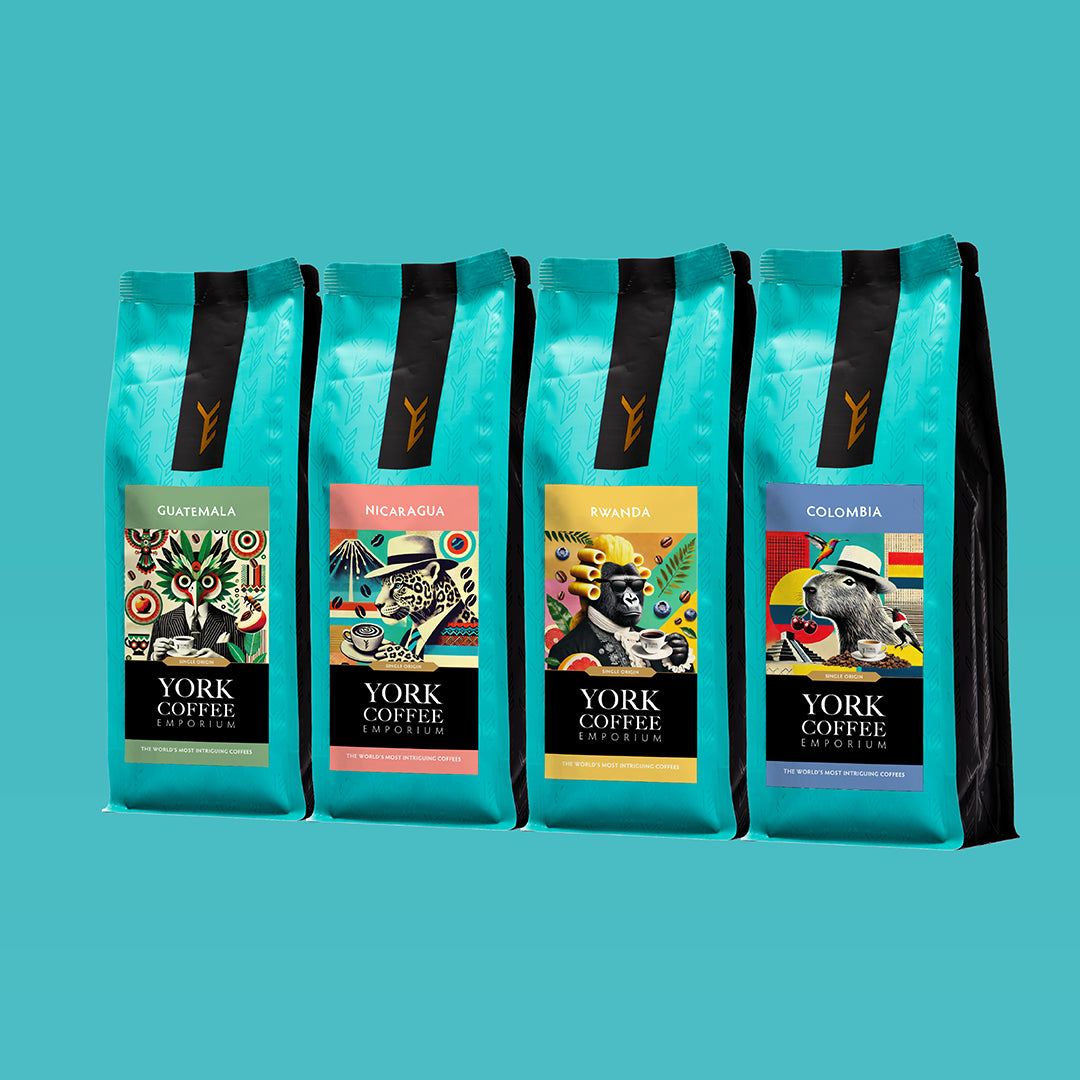
If you're ready to put any of this into practice, three of our most popular bags to start with:
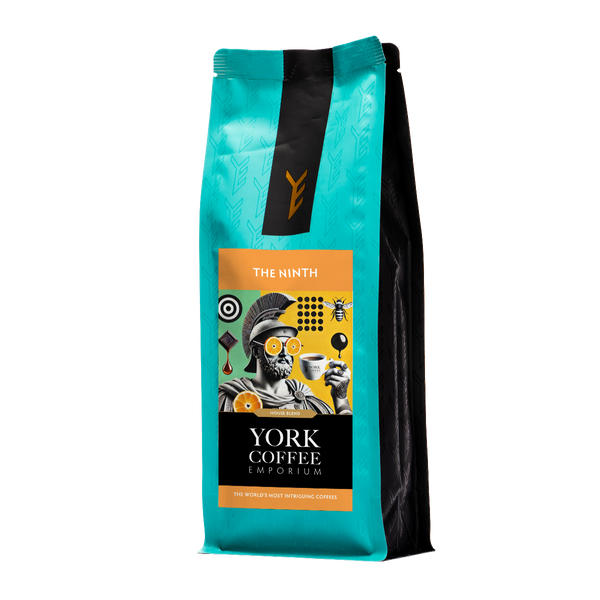
The Ninth
Rich, chocolatey, made for espresso
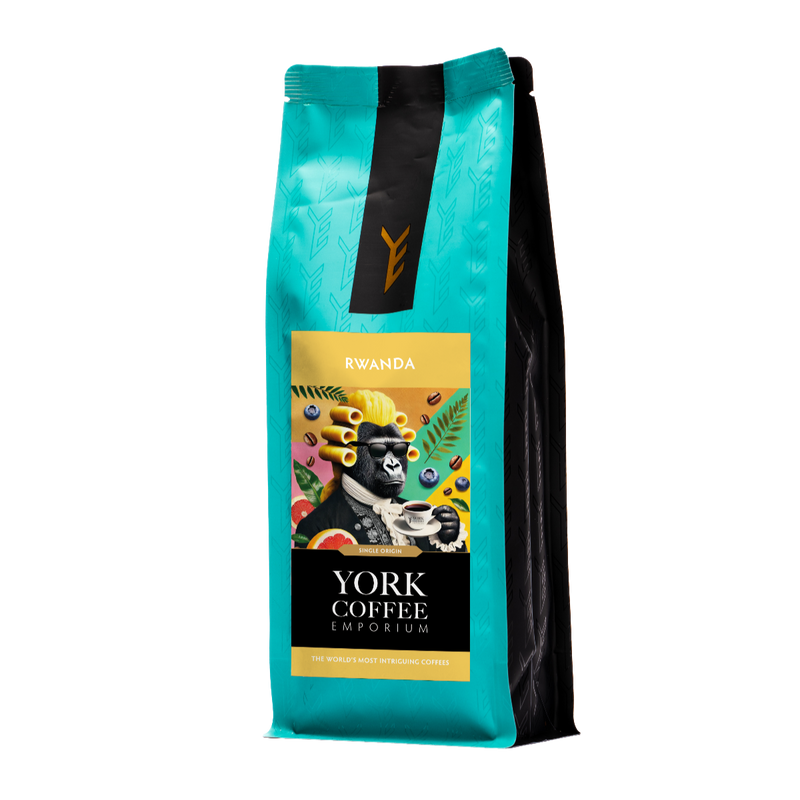
Rwanda Kirunga
Fruity, vibrant, single-origin

House Espresso
Dark, chocolatey, forgiving
The Brew
A rough guide to the methods the majority of our customers are using.
Treat these as a starting point, and tweak to taste.
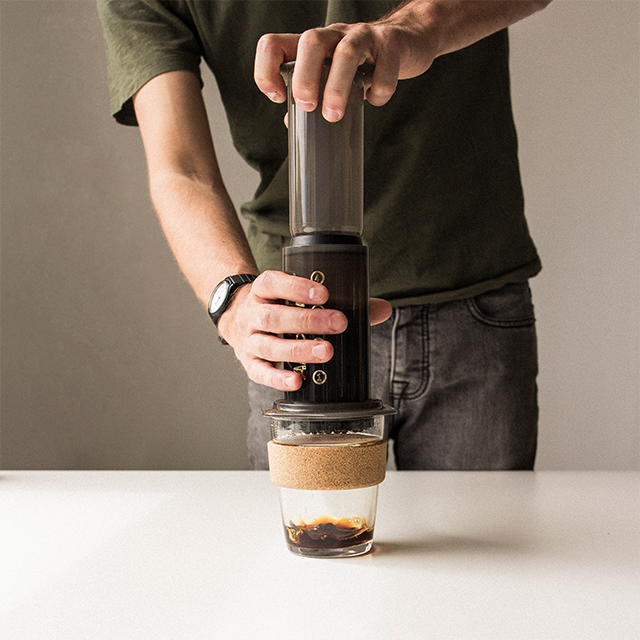
AeroPress
- Grind: medium to medium-fine
- Ratio: 15g coffee / 230ml water
- Water: 85°C, just off the boil and rested for a minute
- Time: 1 minute 30 seconds
Forgiving, quick, hard to get wrong.
Cafetière
- Grind: coarse, like sea salt
- Ratio: 60g coffee / 1 litre water
- Water: 95°C, just off the boil
- Time: 4 minutes, then plunge slowly
Stir once at the start. Don't re-plunge, as it over-extracts.
Filter / Pour-over
- Grind: medium-coarse to medium-fine
- Ratio: 60g coffee / 1 litre water
- Water: 95°C
- Time: 3 to 4 minutes total
Pour in slow, steady circles. Let it bloom for 30 seconds first.
Stovetop, or Moka pot
- Grind: fine, like powdered sugar
- Ratio: fill basket level, don't pack
- Water: just below the valve
- Heat: medium, not high
Take it off as soon as it starts hissing. Don't wait for it to finish.
Espresso
- Grind: fine, dial in to taste
- Ratio: 18g in, 36g out
- Water: 92 to 94°C, if your machine lets you set it
- Time: 25 to 30 seconds
If it's gushing, grind finer. If it's dripping, grind coarser.
The Water
Two quick things.
Use filtered water if your tap water is hard. Limescale makes coffee taste dull and ruins your kettle.
And don't pour boiling water straight onto the grounds, as it scorches them. Let it rest for a minute after boiling, or aim for around 92 to 95°C.
The Storage
Keep your beans whole until you're ready to grind. Ground coffee loses freshness in days.
Store them in an airtight container somewhere cool and dark. Not the fridge, as condensation is the enemy. Not the freezer, for the same reason. A cupboard that isn't next to the oven is ideal.
Our bags reseal, so they're fine on their own for a week or two. Longer than that, decant into a proper airtight tin.
Still got questions?
Whether it's about grinding, brewing, or what coffee might suit your current fancies, drop us a line at sales@yorkemporium.co.uk. We read every one.
And if you're not the grind-at-home type, don't worry. We'll grind your beans to perfection shortly after you place your order.