
Article: Wush Wush: the Ethiopian coffee that took the long way to Colombia
Wush Wush: the Ethiopian coffee that took the long way to Colombia
Roasters Reserve: coming soon
Our Wush Wush from Finca Anaya is on its way to York. We bought a single 70kg bag, so join the waitlist and we'll email you the moment it's ready to order.
Join the waitlist"In Abyssinia and Ethiopia, where the coffee-plant is found both wild and in a cultivated state, coffee seems to have been used as a beverage from time immemorial."
Francis B. Thurber, Coffee: From Plantation to Cup, 1881
Our newest Roasters Reserve is a washed Wush Wush from Colombia, and it is one of the rarest varieties we have ever put on the shelf. Only a handful of Colombian farms grow it, and the plants yield less than the varieties around them, so there is never much to go round.
It also comes with a better story than most. Wush Wush started life in the forests of south west Ethiopia, and the route it took to the other side of the Atlantic runs through a 1960s scientific expedition, an American quarantine station and a gene bank in Costa Rica. We went digging through the original records to find out how much of that story holds up.
Coffee details
- Origin: Colombia
- Producer: Sergio Darío Aranda Gómez
- Farm: Finca Anaya, Acevedo, Huila
- Varietal: Wush Wush
- Process: Washed
- Altitude: 1,600 to 1,900 metres above sea level
- Cup score: 86.5
- Cup profile: lemon, caramel, cane sugar, nutty
What is Wush Wush?

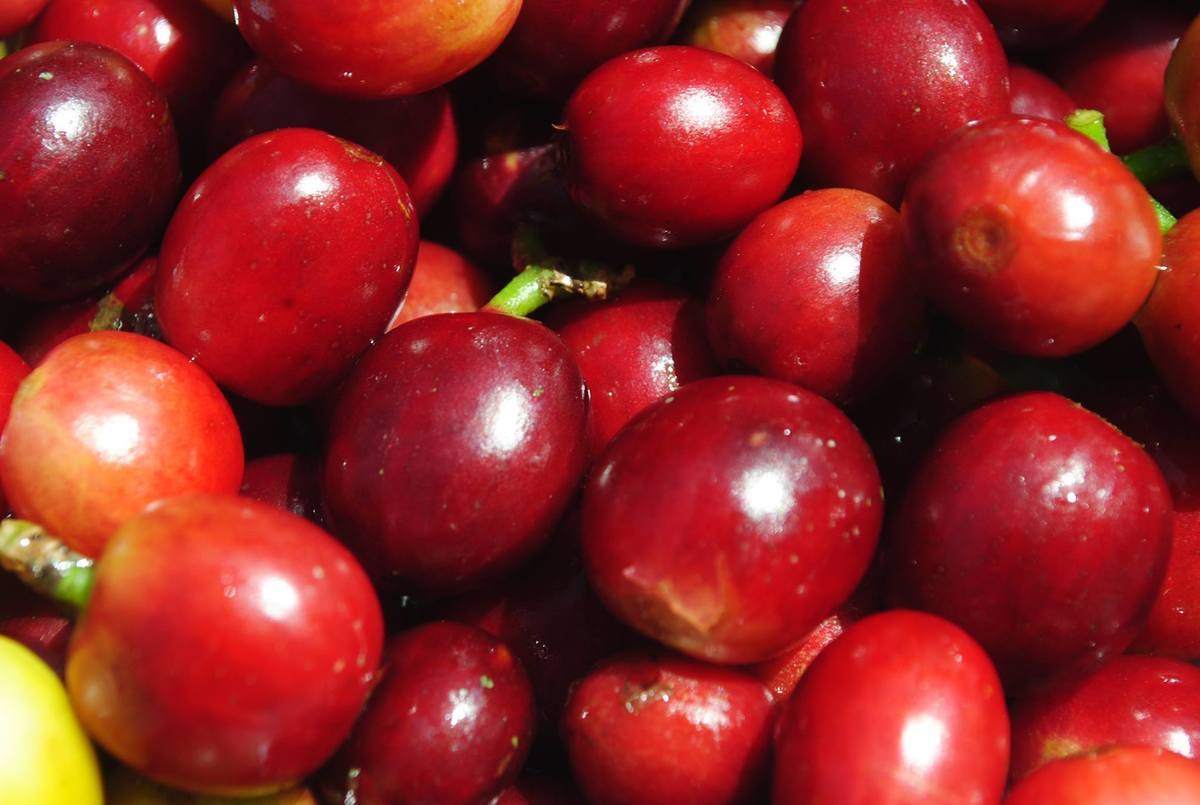
Wush Wush is an Ethiopian landrace, a local population of coffee that grew up in one place rather than being bred on purpose. It takes its name from Wushwush, an area near the town of Bonga in the old province of Kaffa, deep in the forested highlands where wild arabica still grows.
For a variety with a growing reputation, it is surprisingly poorly documented. It has no entry in the World Coffee Research variety catalogue, and most of what is written about it comes from importers and roasters repeating each other. You will often read that it was "discovered in 1975" or that it shares Gesha's genetics, but we couldn't find a primary source for either, so we've left them out.
From Bonga to Colombia

Between October 1964 and January 1965, a team sent by the UN's Food and Agriculture Organization travelled through seven Ethiopian provinces collecting seed from 621 coffee plants. Each plant was given a field number with an "E" in front of it, and those numbers are still used in coffee gene banks today.
One of the team was the American botanist Frederick Meyer. His seed went to the US Department of Agriculture's quarantine station at Glenn Dale, Maryland, where every sample was logged in the department's plant register. We found the 1965 register page and it reads like a field diary: samples E-527 to E-541 came from coffee "cultivated in Bonga and wild along Wush Wush road 7 km from Bonga", and E-542 to E-554 from the Wush Wush plantation 22km west of Bonga, at 1,920 metres, grown "from seeds collected in forest, cultivated in rows in thinned forest". A later Wageningen study adds that the plantation was set up in the 1950s with seed taken from the surrounding forest coffee.
From Maryland, seedlings were sent on to Ethiopia, Peru and the coffee gene bank at Turrialba in Costa Rica. In 1969, Colombia's national coffee research centre, Cenicafé, received 434 of the expedition's plants from Turrialba and planted them at its Naranjal station in Caldas, according to Cenicafé's own history of its collection.
Beyond those records, nobody has yet published anything tying today's Colombian Wush Wush back to a specific tree from that expedition, and Colombian farmers tell the story in different ways: some say their seed came from Cenicafé's nurseries, others that it came from neighbouring farms that planted it first. The Cenicafé route is the most likely, and it would explain why Wush Wush started turning up on Colombian farms around the 1990s, twenty-odd years after the seed arrived.
More recently, Wush Wush has had its moment on a world stage. At the 2025 World Barista Championship, Denmark's Christopher Hoff built his routine around a Wush Wush rather than the usual Gesha and finished sixth in the final.
Where ours comes from

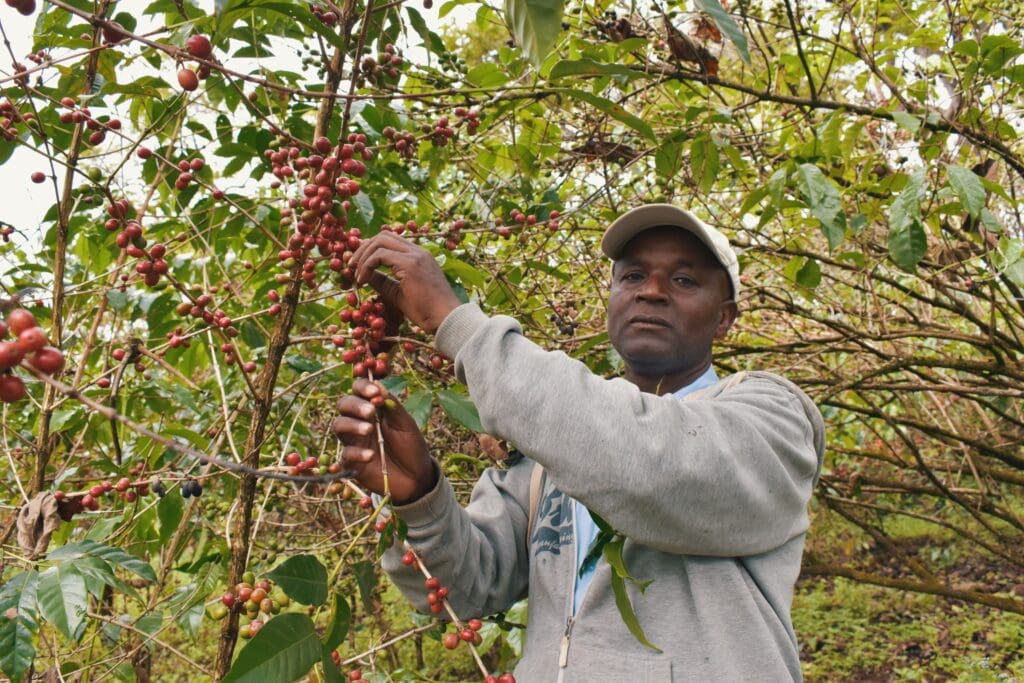
Our lot was grown at Finca Anaya, a 4.5 hectare family farm in Acevedo, in the south of Huila. The Aranda Gómez family have farmed it for more than thirty years, and Sergio Darío Aranda Gómez, who runs it now, has spent the last fifteen of those working on specialty coffee and fermentation. The farm sits between two mountain ranges at around 1,600 to 1,900 metres, with bamboo and fruit trees growing among the coffee.
The coffee reached us through Café de la Torre, a small exporter from Santander set up by Félix Alberto Torres Morantes and his sister Yodi. They started out selling their father's coffee from Finca Hoyo Frío for a fairer price, and now help other Colombian producers sell their lots directly to roasters abroad. Producers set their own prices and own the coffee until a roaster buys it.
Sergio is better known for experimental processing, but this lot is washed, which lets the variety speak for itself. We bought a single 70kg bag.

What it tastes like
Open the bag and the first thing you get is yuzu and caramel. In the cup it reads like lemon meringue pie, with a bright, juicy citrus acidity sitting on top of something sweeter and rounder underneath: caramel, cane sugar, a nutty biscuit note. The finish stays citrusy and clean.
If you've enjoyed the citrus side of our East African coffees, this sits nicely alongside them, with more sweetness than you'd usually expect from a coffee this bright.
How to brew it
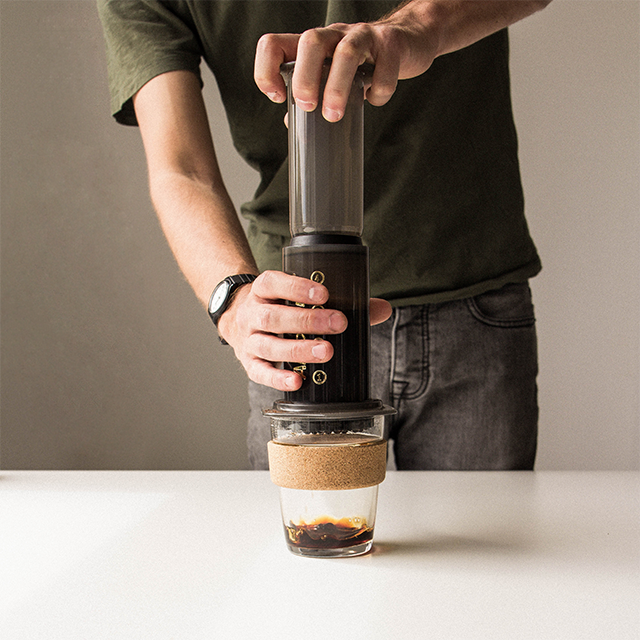
We'd steer this one towards filter. A V60 or Chemex brings out the lemon and keeps the body light and juicy, and an AeroPress gives you a slightly sweeter, rounder cup if you like more weight. It works as espresso too, though the acidity comes through strongly, so pull it a little longer than usual. Our brew guide has recipes for each method, and if you don't have a V60 yet, two of our brew kits come with one.
There isn't much of it, and when it's gone it's gone until the next harvest. It's coming soon, and you can join the waitlist on the product page to hear the moment it lands. Subscribers to our Dispatch newsletter hear about every new Roasters Reserve before anyone else, so if you'd like first go at the next one, sign up here.
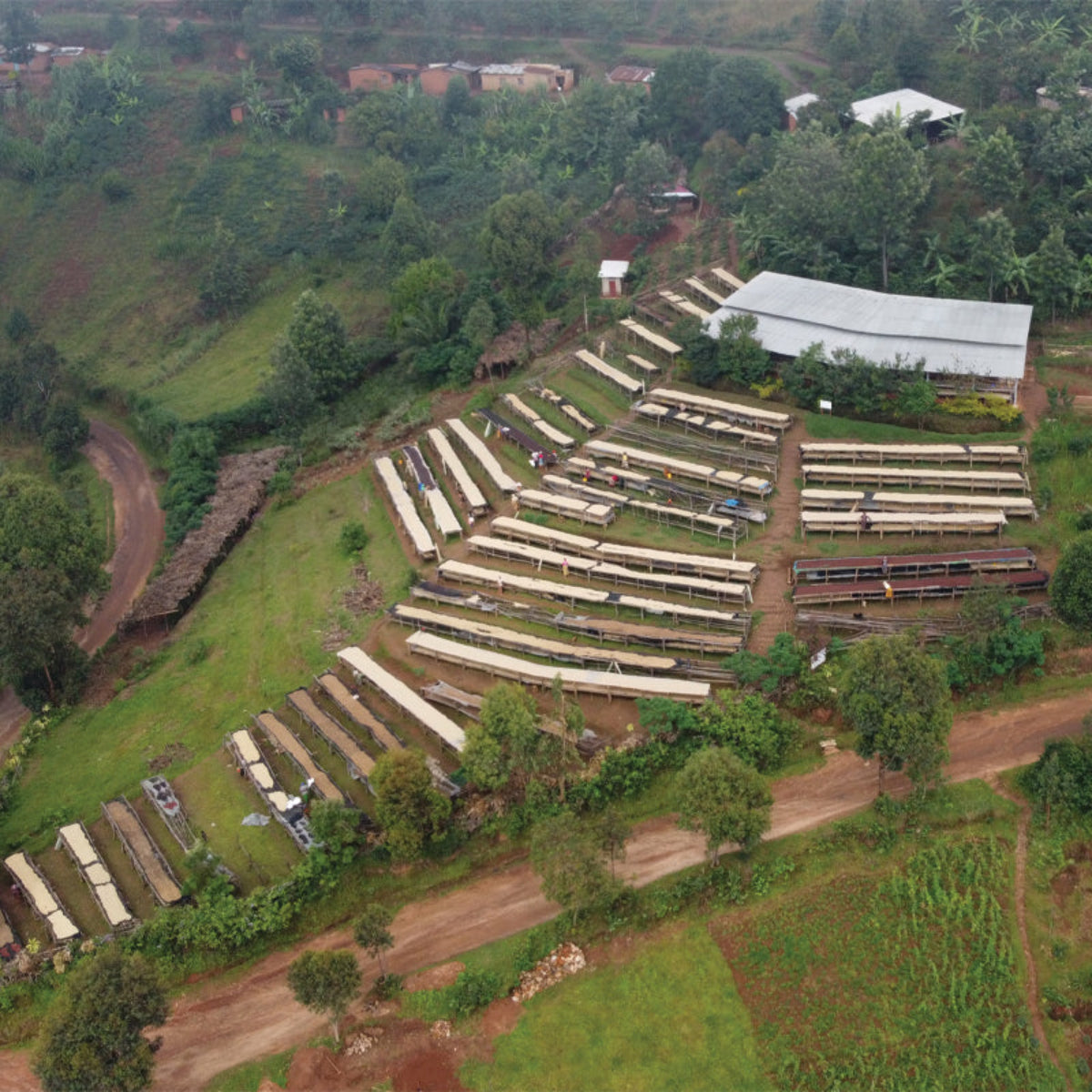
Photography by Café de la Torre.