



Article: Tejao, Mexico: Mazatec coffee grown among fruit trees, timber and the milpa
Tejao, Mexico: Mazatec coffee grown among fruit trees, timber and the milpa
Our new single origin is Tejao, a washed Typica, Bourbon and Mundo Novo from Mexico, grown by Mazatec smallholders around Huautla de Jiménez in the Sierra Mazateca of northern Oaxaca and sourced through Ensambles Cafés Mexicanos.
In the cup it is blackberry and darker berries over molasses and cocoa, a little fruity, with a body that coats the mouth, and it cupped at 83.75.
What drew us to it beyond the cup is the way it is grown: these are family plots where coffee shares the hillside with fruit and timber trees and a milpa of maize, beans and squash, and every producer whose coffee went into the lot speaks Mazatec as their first language.

Coffee details
- Origin: Mexico
- Region: Sierra Mazateca de los Flores Magón, Oaxaca
- Communities: San Lucas Zoquiápam, San Antonio Eloxochitlán and Huautla de Jiménez
- Producers: Mazatec smallholders
- Sourced through: Ensambles Cafés Mexicanos
- Altitude: 1,400 to 1,900 metres above sea level
- Varietals: Typica, Bourbon and Mundo Novo
- Process: Washed
- Farming: traditional polyculture with the milpa
- Cup score: 83.75
- Cup profile: berries, blackberry, molasses, cocoa, lightly fruity, coating body
What Tejao means
Tejao is the Mazatec name for Huautla de Jiménez, a mountain town in the north of Oaxaca, and Ensambles say the word is also understood to mean twelve, after the first twelve families who settled there. We liked that enough to put it on the bag rather than simply calling this coffee Mexico.

Huautla sits among deep canyons and high ridges often wrapped in fog, and Oaxaca's culture ministry describes coffee as the basis of the Mazatec economy. The lot draws on three communities in the Sierra Mazateca: San Lucas Zoquiápam, San Antonio Eloxochitlán and Huautla itself.
The coffee grows between 1,400 and 1,900 metres, where cooler nights slow the ripening of the cherry. Altitude is never the whole explanation for flavour, but it is part of the setting here, and our guide to how altitude affects coffee taste goes into it properly.
A coffee garden rather than a plantation
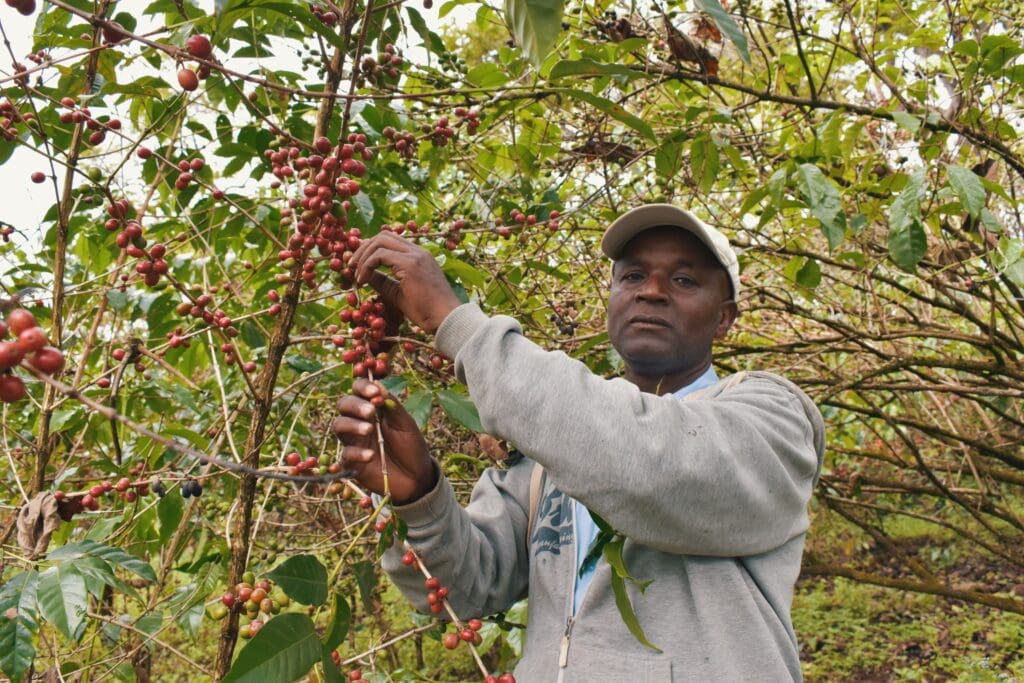
On these farms the coffee grows beneath fruit and timber trees rather than in neat rows under a single shade crop, and families plant the milpa alongside it. Milpa is the old Mesoamerican way of growing maize, beans and squash together on the same ground, with the maize giving the beans a stalk to climb, the beans helping put nitrogen back into the soil and the broad squash leaves shading the ground and holding in moisture.

Above that, a canopy that can reach 20 to 30 metres in traditional systems like this shades the coffee, so a single plot can provide fruit, food crops and timber alongside the coffee itself. It is a way of farming that spreads the risk across several harvests instead of resting everything on the price of one.
Mexican researchers call this traditional polyculture, and it holds far more life than a plantation does. In a widely cited study, Patricia Moguel and Víctor Toledo found that traditional Mexican coffee systems carried the highest levels of biodiversity of the systems they compared, with biodiversity rising as the number of tree species went up, and they estimated that 60 to 70 percent of Mexico's coffee land was still managed in traditional ways at the time.
The same study identified the Sierra Mazateca as one of 14 coffee regions in Mexico that the authors considered hot spots for conservation, and it brought together bird surveys from coffee farms across the country. Traditional coffee gardens in those surveys recorded between 136 and 184 bird species, compared with as few as 6 to 12 in full-sun coffee.
Being close to natural forest made a clear difference: the richest site, with 184 species, sat beside tropical forest, and a coffee garden in central Veracruz held 136 species against 138 in the cloud forest next to it. Shade coffee also has some of the highest numbers of migratory birds of any agricultural system in the Neotropics.

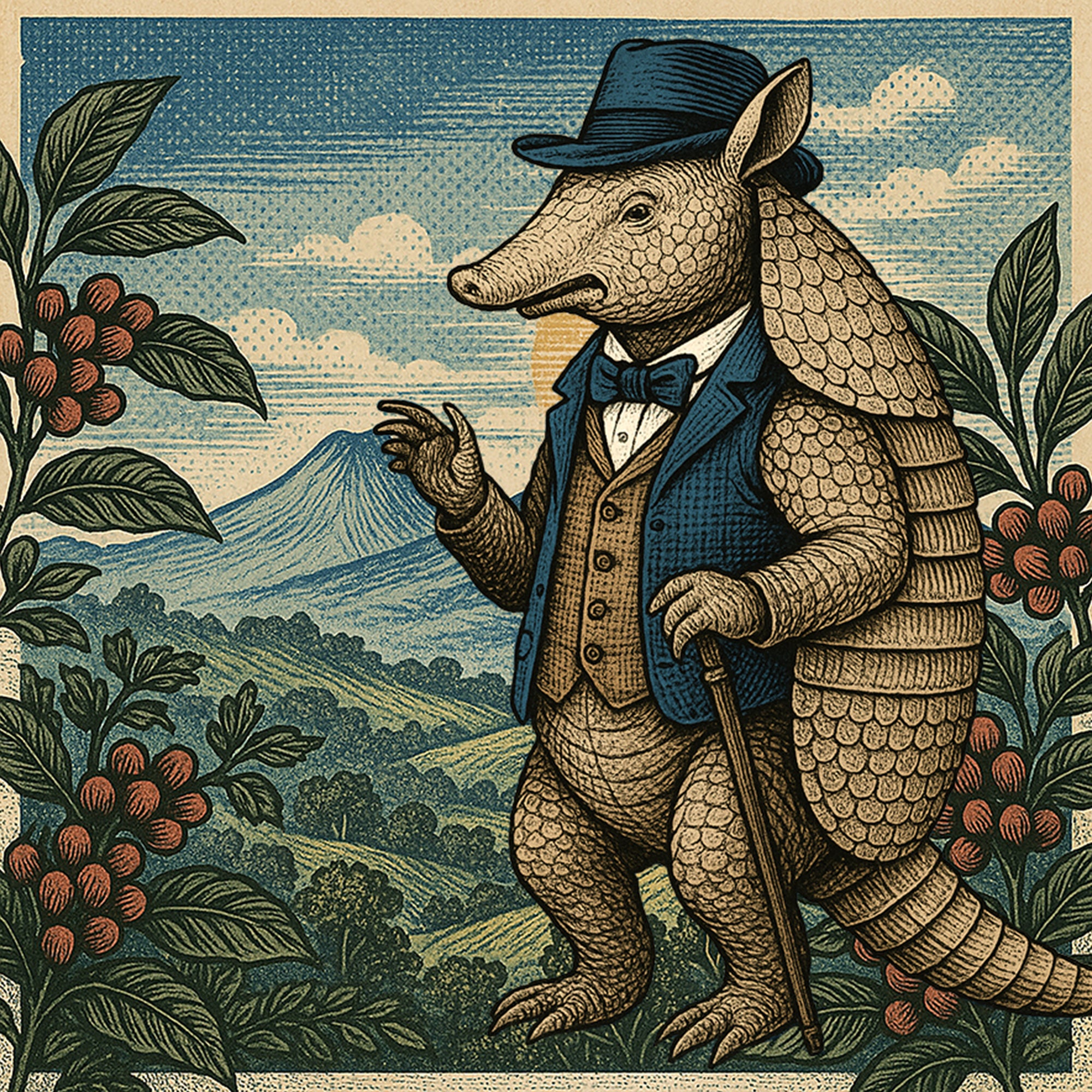
That canopy became the starting point for our label, with coffee cherries among the fruit, timber and maize, because the way this coffee is grown seemed the most honest picture of where it comes from.
The Mazatec farmers and Ensambles

Ensambles Cafés Mexicanos are a Mexican exporter working with smallholders across the country's coffee regions. In 2021 they set up a warehouse and laboratory in Huautla de Jiménez so they could work directly with Mazatec producers through the whole year.
By Ensambles' own figures, they have trained and bought from around 442 producers in the Sierra Mazateca, 197 of them women, and cupped roughly 850 samples through their mobile lab in Huautla. They also say every farm they buy from in Oaxaca is farmed as a traditional polyculture.

Field technician Osiris Martínez leads the team there, organising producers and running training on sustainable farming practice. At harvest, Ensambles' quality control team cups samples from each producer so the price reflects the quality of the beans, and every grower gets feedback they can use on the next crop.

We were drawn to that feedback as much as to the farming, because smallholders in remote regions can easily end up selling into a market that pays one price for everything, where a careful harvest and a rushed one earn the same. Being cupped, scored and paid on what is in the cup, with someone explaining why, gives a family a reason to put the extra work in and a way to see whether it paid off.
The Huehuentones on our label

The masks in the canopy of our label belong to the Huehuentones, the masked dancers of the Mazatec Day of the Dead. In Huautla the celebration, called S'ui K'ien in Mazatec, fills the streets from the end of October into early November, and tradition holds that on the night of 27 October the souls of the dead return and take the form of the Huehuentones.
The name Huehuentones means the ancestors, and the dancers wear sarapes, tall pointed hats and masks carved from jonote wood in the faces of old men. Through the nights of the festival, groups of them go from house to house, dancing to drums, guitars and violins and stopping at each family's altar, where they are given food and drink.
We wanted the masks on the bag to be Huautla's own, because Day of the Dead looks very different from one part of Mexico to the next, and the better known Xantolo celebrations belong to the Huasteca, a separate region with its own traditions.
How it tastes

Tejao opens on blackberry and darker berries, sitting on molasses and cocoa, with a little brighter fruit around the edges and a body that coats the mouth rather than washing straight through.
With molasses and cocoa doing the work underneath, it sits at the sweeter, rounder end of washed coffee, and the berries keep it from turning heavy.
The three varieties are closely related: Typica and Bourbon are two of the oldest Arabica lines in Latin America, and Mundo Novo is a natural cross between them that was first found in Brazil.
How to brew it
We would start with a pour over, with a medium grind, filtered water and a steady recipe, which keeps the berries clear without losing the molasses and cocoa underneath.
As a starting point, try 15g of coffee to 250g of water, or 18g to 300g. Brew just off the boil and aim for around three to four minutes in total.
If it tastes sharp or thin, grind a little finer. If it tastes heavy or bitter, grind a touch coarser or drop the temperature slightly.
Why we chose this coffee
Tejao had to earn its place on the cupping table like everything else we buy, and beyond the cup it gave us a story we could tell properly from the farm up. The producers are a named community rather than an anonymous region, the way they farm is documented and has clear benefits for the landscape around it, and the exporter we bought it through has its lab in the town itself, cupping each farmer's coffee and helping them improve the next one.

Our Dispatch subscribers get first access to every new release, so if you want first refusal on the next one, sign up here.

Frequently asked questions
What does Tejao mean?
Tejao is the Mazatec name for Huautla de Jiménez in Oaxaca, Mexico. Ensambles Cafés Mexicanos say it is also understood to mean twelve, after the twelve families who first settled the town.
Where is Tejao coffee grown?
Tejao is grown by Mazatec smallholders in San Lucas Zoquiápam, San Antonio Eloxochitlán and Huautla de Jiménez, in the Sierra Mazateca of northern Oaxaca, at 1,400 to 1,900 metres above sea level.
What does Tejao taste like?
Tejao tastes of berries and blackberry over molasses and cocoa, a little fruity, with a coating body. It was cupped at 83.75.
What is polyculture coffee?
Polyculture coffee is grown alongside other crops rather than on its own. In the Sierra Mazateca, coffee grows beneath fruit and timber trees with the milpa of maize, beans and squash planted alongside, a traditional system that research has linked to much higher biodiversity than plantation coffee.
Who are the Huehuentones?
The Huehuentones are the masked dancers of the Mazatec Day of the Dead in Huautla de Jiménez. They represent the ancestors returning, and from late October they dance from house to house and visit family altars.
What is Mazatec coffee?
Mazatec coffee is grown by Mazatec communities in the Sierra Mazateca of northern Oaxaca, Mexico, much of it on small family plots farmed as a traditional polyculture, with coffee beneath fruit and timber trees and the milpa of maize, beans and squash alongside. Tejao is a washed lot from Mazatec smallholders around Huautla de Jiménez.
Sources and further reading
The sections on polyculture, biodiversity and birdlife draw on Patricia Moguel and Víctor M. Toledo's review, Biodiversity Conservation in Traditional Coffee Systems of Mexico, Conservation Biology 13(1), 1999, pages 11 to 21. It is one of the most widely cited papers on shade coffee and well worth reading in full: read the paper (about 25 minutes).