

Kenya Lot 20: an orange co-ferment and the story of the Ava mould
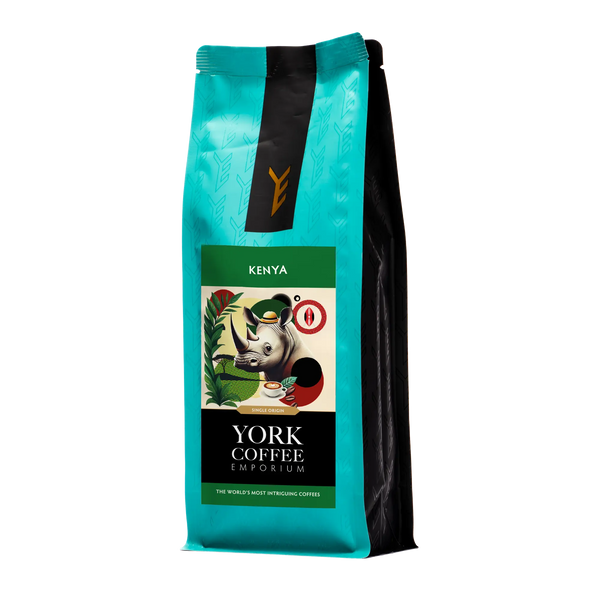
Our next release is a Kenyan orange co-ferment from Lot 20, produced by Sidney Kibet and sourced through Omwani.
It is an anaerobic Arabica lot from Kenya, processed with orange and koji culture and cupped at 86. In the cup it is sweet, complex and orange-led, with dark chocolate, pecan and caramel underneath, all carried by a heavy, velvety body.
That tells you what it is, but the more interesting part is why it exists.
This coffee comes from a producer group that has been quietly pushing at the edges of Kenyan coffee processing, not for novelty but to build better value, better traceability and more options for the farmers they work with.
Coffee details
- Origin: Kenya
- Producer: Lot 20
- Harvest period: March to June 2025
- Species: Arabica
- Varietals: Batian and Ruiru 11
- Process: Anaerobic orange co-ferment
- Cup score: 86
- Cup profile: sweet orange, dark chocolate, pecan, caramel, heavy, velvety and complex
- Sourced through: Omwani
Lot 20 and Sidney Kibet

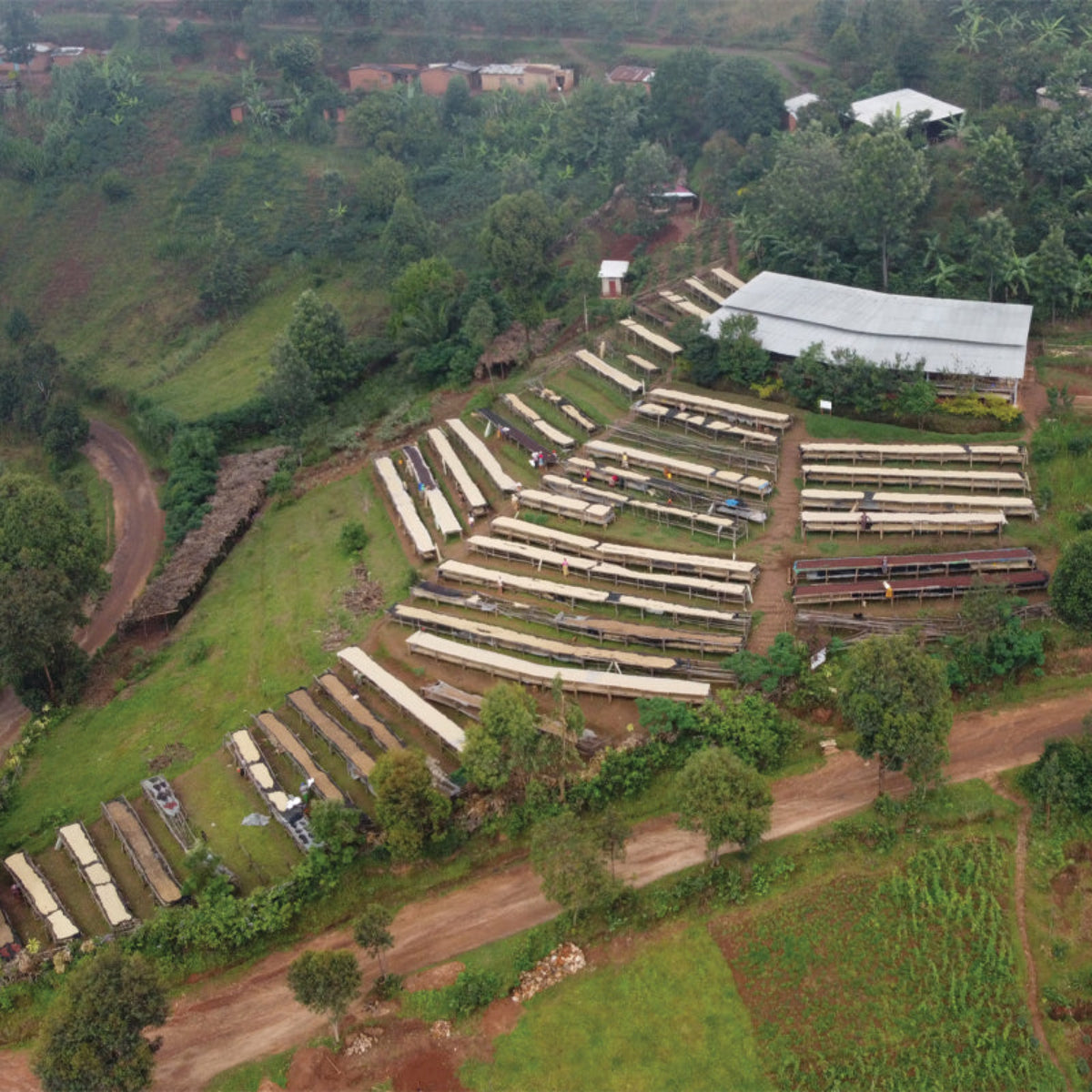
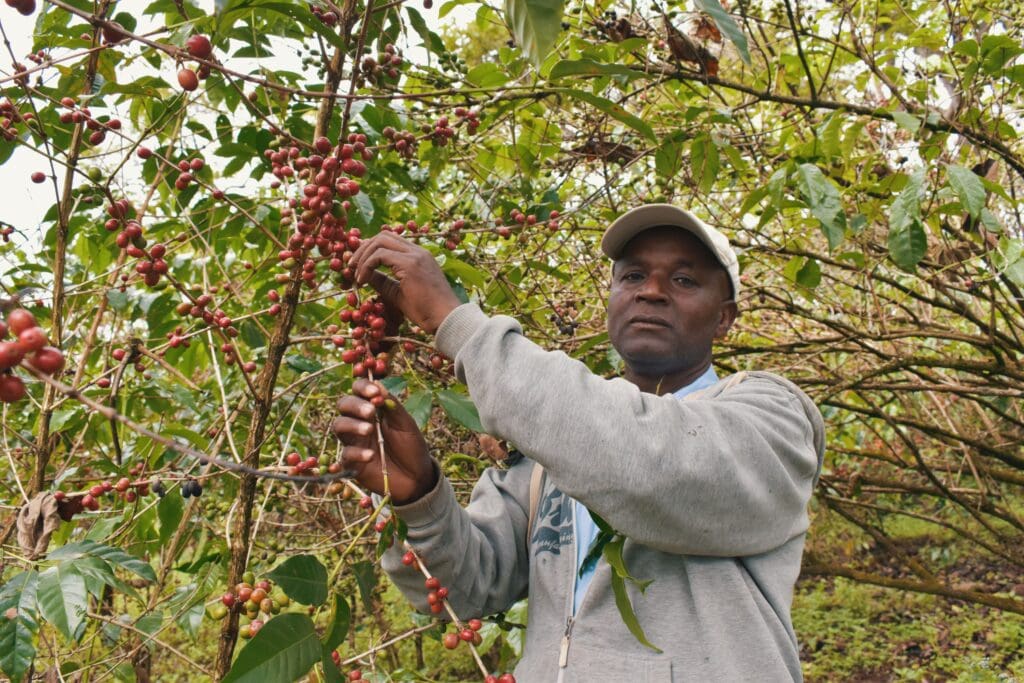
Lot 20 work with coffee producers from Kericho and Bomet, in the highlands west of Kenya's Rift Valley. Their focus is on transparent trade, fair treatment of producers and building a stronger route to market for coffees from their home region.
Much of Kenya's coffee has traditionally been sold through the Nairobi Coffee Exchange, where cooperatives and estates market coffee to exporters through auction. The system has helped build Kenya's reputation for exceptional coffee, but it can also place several steps between the farmer and the final buyer.
The group was founded by Sidney Kibet and Fred Langat, and their work is built around organising producers, controlling processing more directly and exporting their own coffee.
Lot 20 are certified as both a cooperative and an exporter, which means they can register farmers as members of their collective and build a clearer route from farm to roaster. They also pay farmers when cherries are delivered, rather than asking them to wait until the coffee has been processed, marketed and sold.
For a coffee like this, that context matters. This is not an unusual process bolted onto an anonymous lot, because the people behind it, their intentions and the method itself are all out in the open.
Sidney's work with Lot 20 has become known for experimentation, but it is experimentation with a purpose. Fermentation, fruit, yeast and koji are all part of a wider attempt to create distinctive coffees that can stand apart in the market and return more value to the producers involved.
Kericho, Bomet and the Rift Valley
This coffee comes from Kericho County, in the highlands west of Kenya's Rift Valley. Kericho and neighbouring Bomet sit in western Kenya, in a highland landscape shaped by elevation, changing weather and long-established farming communities.
Kericho is better known for tea, and its coffee scene is growing quickly rather than being long-established. There is still real coffee history here, with an established cooperative presence around Kipkelion and Fort Ternan, although Kericho and Bomet remain less strongly associated with Kenyan coffee than central areas such as Nyeri, Kirinyaga and Kiambu.
That is what makes Lot 20's work interesting. They are not simply producing another version of the classic Kenyan profile, but working with coffees from their own region and asking what else those coffees can become when processing is handled with more intention.
This lot sits at around 1,800 metres above sea level, where cooler growing conditions can slow cherry development and help build sweetness, acidity and structure in the cup. Altitude is never the whole explanation for flavour, but it is one important part of the setting.
If you want to go deeper on this, read our guide to how altitude affects coffee taste.
Why this coffee is different
Kenya is best known for washed coffee, where clean acidity, citrus, florals and blackcurrant-like fruit make up the classic Kenyan cup profile. Our own House Kenya sits squarely in that tradition, a washed SL28 lot that is bright and clean, with grapefruit, caramel and red apple.
This Lot 20 shares that Kenyan starting point but ends up somewhere very different. It is not a straight opposite, as both coffees are citrus-led and both carry caramel, but the washed House Kenya keeps its citrus sharp and clean while the co-ferment turns it into sweet, cooked orange, with dark chocolate and a heavy body behind it. Same origin, two very different cups, and most of that difference comes down to how each one was processed.
Experimental processing sits slightly outside that tradition. Natural coffees, anaerobic lots and co-ferments have historically carried more risk for producers in Kenya, partly because the market has been so strongly built around washed coffees.
Lot 20 see that risk differently. For them, natural and experimental processing can be a way to increase quality, create distinctive lots and give farmers more ways to earn from their crop.
That does not mean every experimental coffee is worth celebrating. Some are more interesting as an idea than they are in the cup, which is exactly where transparency and tasting matter.
This coffee is clearly presented as an orange co-ferment, with the orange worked into the fermentation at origin rather than added after roasting. It is not a flavoured coffee. The cup has to work as coffee first, and in this case it does.
If you have not read it yet, our guide to co-fermented coffee explains the difference between co-fermentation and flavoured coffee in more detail.
How the orange co-ferment is made

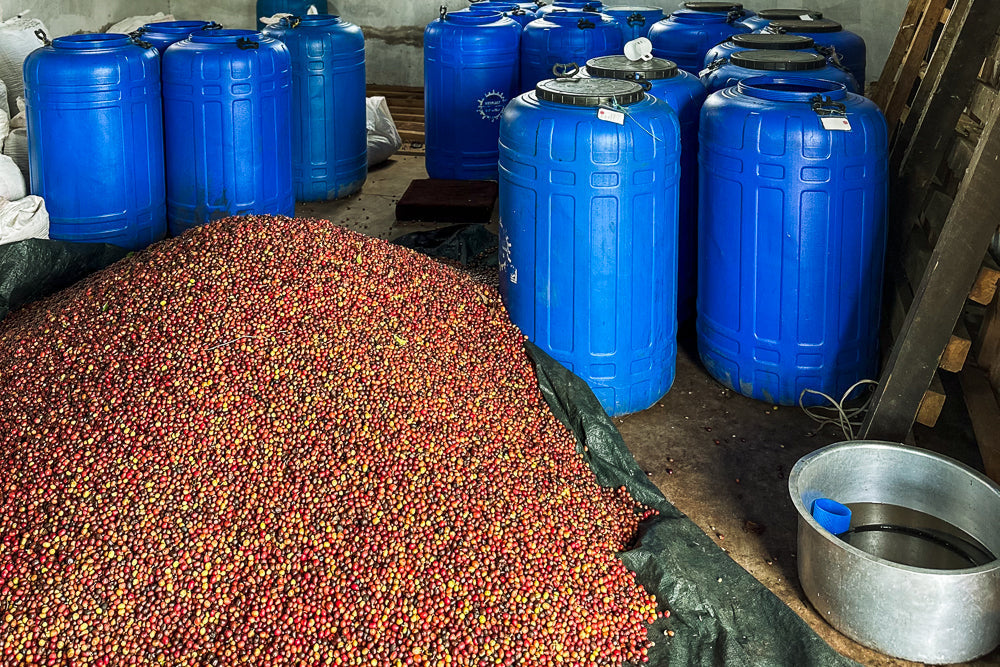
For this process, Lot 20 use coffee cherries, oranges and koji culture in a controlled anaerobic fermentation.
The oranges are bought from the same farmers who supply coffee cherries to Lot 20. It is a small detail, but an important one, because the fruit is not treated as an abstract flavouring ingredient. It comes from the same producer network and creates another route of value for the farmers involved.
Lot 20 have also invested in a high-capacity fruit pulper to support their orange co-fermented coffees. The oranges are pulped and added to fermentation tanks alongside coffee cherries and koji culture, and they then ferment together in a sealed environment.
Anaerobic fermentation means the coffee is fermented with limited oxygen, which allows the producer to control the environment more closely and guide how sugars, acids and microorganisms interact during fermentation.
The result is not simply “coffee with orange”. The orange character is clear, but it sits with darker, rounder notes that give the coffee more weight and depth than the name alone might suggest.
Florence Owino and the Ava mould

One of the best parts of this coffee's story is the origin of the koji culture used by Lot 20.
Florence Owino, known as Flo, manages the Rongo washing station in Migori County. During routine sanitation of fermentation barrels, she noticed a white material had formed at the bottom of one of them, with a sweet smell that reminded her of ripe bananas.
Sidney asked for a sample to be taken and sent for analysis, and at the same time the coffee from that barrel was cupped and showed amplified sweetness compared with anaerobic lots from other barrels.
The fungus was later identified as Aspergillus oryzae, the koji mould used in foods and drinks such as sake, soy sauce and miso.
Lot 20 decided to colonise the mould for continued use in their anaerobic lots, and their name for this culture is Ava mould.
It is a lovely example of how coffee processing actually develops, not from a buzzword but from observation, caution, testing and tasting. Flo noticed something unusual, Sidney had it checked, the cup confirmed a clear change, and Lot 20 built that discovery into their fermentation work.
What koji does in coffee fermentation
Koji is not used to make coffee taste like miso, sake or soy sauce. It is used because of what it can do during fermentation.
Koji cultures are known for their enzymatic activity, which in coffee processing can help break down compounds in the fermentation environment and make sugars and amino acids more available.
In practical terms, producers use it to support sweetness, body and complexity. In this lot, the koji works alongside the orange and coffee cherry during anaerobic fermentation, helping create a cup that is expressive but still structured.
The orange note is clear, the sweetness is high and the texture is heavy and velvety, yet the coffee still holds its balance, which is what makes it more than a simple process experiment.
How it tastes
We cupped this coffee at 86 using the Arabica cupping form, with descriptors of sweet, orange, heavy, velvety, dark chocolate, pecan, caramel and complex.
The orange is immediate, but the coffee is not thin, sharp or one-dimensional. The darker notes give it structure, with dark chocolate for depth, pecan for a rounded nutty quality and caramel supporting the sweetness.
The body is one of the strongest parts of the cup, a heavy, velvety texture that gives the coffee a more luxurious feel than you might expect from an orange-led co-ferment.
That makes it a good coffee for drinkers who want something expressive but still drinkable. It is fruit-led but not all fruit, experimental but not chaotic, and although it tastes like a co-ferment, it does not lean on novelty alone.
How to brew it
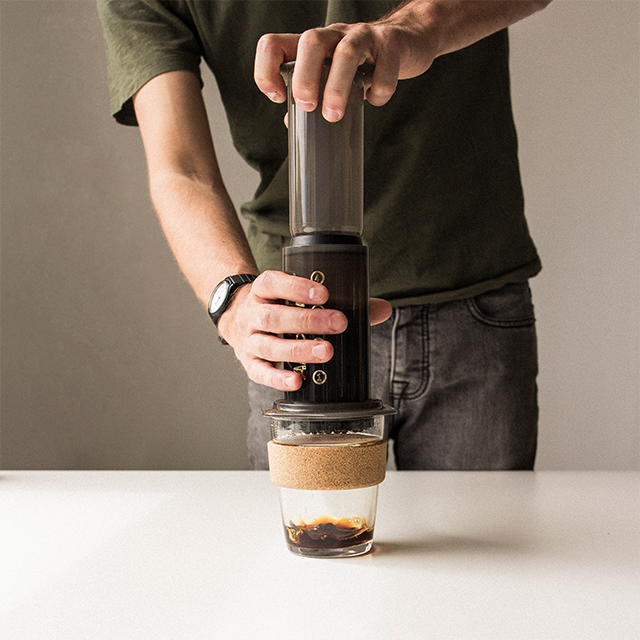
We would start with pour over, which gives this coffee enough clarity for the orange and sweetness to show while keeping the heavier body in check. Use a medium grind, good filtered water and a steady recipe before making any adjustments.
As a starting point, try 15g of coffee to 250g of water, or 18g of coffee to 300g of water. Brew with water just off the boil and aim for a total brew time of around three to four minutes.
If the cup tastes too sharp, grind a little finer, and if it tastes too heavy or fermented, grind a little coarser or lower the brew temperature slightly.
This coffee can also work as espresso, especially if you enjoy expressive, fruit-led shots, though you should expect intensity. The orange, acidity and sweetness become more concentrated under pressure, so small changes to grind and yield will make a noticeable difference.
Why we chose this coffee
We chose this coffee because the idea is clear and the cup quality backs it up.
The process is transparent, the producer is known, the oranges come from the same farmer network, and the koji culture has its own story within Lot 20's fermentation work. The result is not just unusual, it is sweet, structured, heavy, velvety and complex.
That is what makes this release interesting. It is not trying to pass as a classic washed Kenyan coffee, and it is not trying to hide its process. Think of it as a companion to our House Kenya rather than a replacement, a different answer to the same question of what Kenya can taste like. It is exactly what it says it is: a Kenyan orange co-ferment from Lot 20, produced with intention and presented with transparency.
Email subscribers get it, and all our new releases first. Join the dispatch below.