



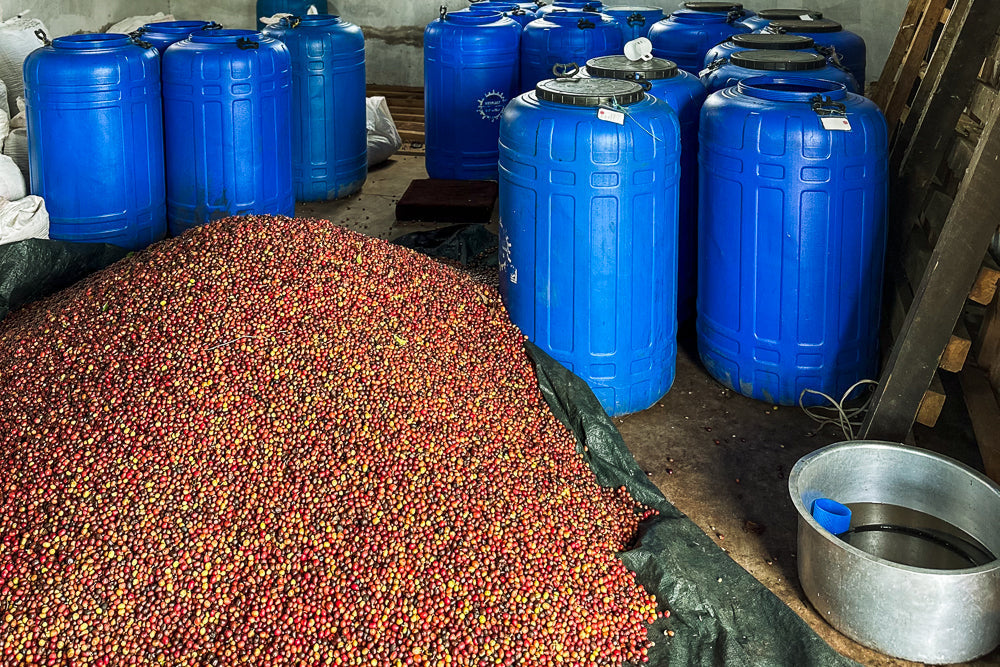
What Is Co-Fermented Coffee?
Co-fermented coffee is coffee that has been fermented with another ingredient during processing.
That ingredient might be fruit, juice, spices, herbs, yeast cultures or another natural material chosen by the producer to influence the fermentation environment.
It is not the same as flavoured coffee. The ingredient is not added after roasting, and it is not sprayed onto the beans before packing. In a co-ferment, the added ingredient is part of the processing stage, before the coffee is dried, milled, roasted and brewed.
That distinction matters. Coffee already goes through fermentation in many processing methods. Co-fermentation simply makes that stage more intentional, with the producer choosing another ingredient to interact with the coffee as it ferments.
How coffee fermentation works
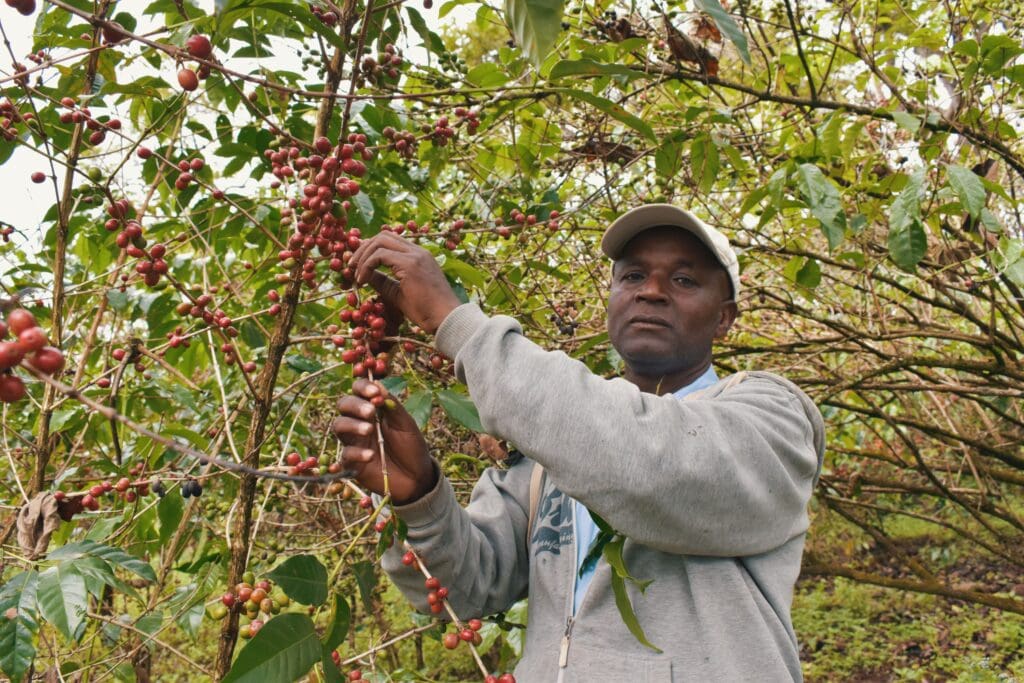
Before coffee is roasted, it begins as the seed of a fruit. Once ripe coffee cherries are harvested, the producer has to separate the seed from the fruit and dry it to a stable moisture level. Fermentation often plays a part in that process.
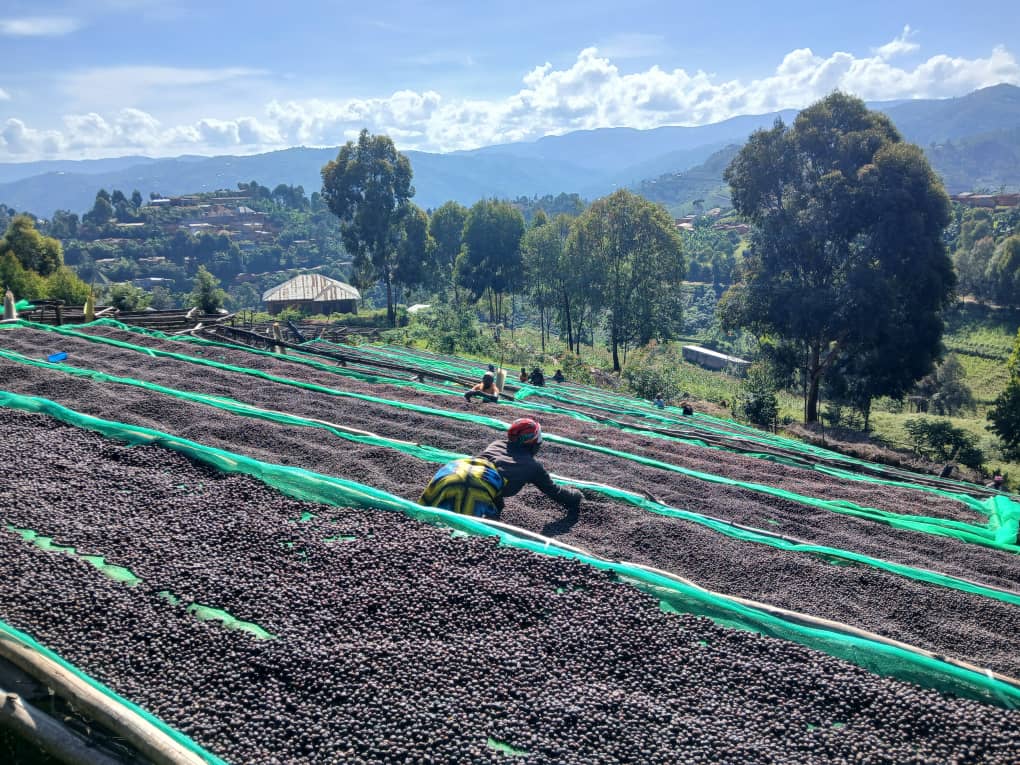
In a washed coffee, fermentation usually helps break down the sticky mucilage around the seed before the coffee is rinsed and dried. In a natural coffee, the whole cherry dries around the seed, with fruit contact shaping the final cup. In honey processing, some of the mucilage is left on the seed as it dries.
Each method changes the way a coffee tastes. Washed coffees are often cleaner and brighter. Natural coffees can be fruitier and heavier. Honey coffees often sit somewhere between the two, with extra sweetness and body.
Co-fermentation sits within this wider world of coffee processing. It is not a separate category from fermentation. It is a more specific way of managing it.
For a fuller breakdown of washed, natural, honey and anaerobic processing, read our guide to coffee processing methods.
What makes a coffee co-fermented?
A coffee becomes a co-ferment when the producer adds another ingredient into the fermentation stage. This might be fresh fruit pulp, fruit juice, spices, herbs or a selected culture.
The aim is not always to make the coffee taste exactly like the added ingredient. A coffee fermented with orange, for example, should not be understood in the same way as an orange syrup or an orange flavouring. The orange is part of the fermentation environment. It contributes sugars, acids and aromatic compounds, which interact with the coffee during processing.
The final flavour still depends on the coffee itself. Origin, variety, growing conditions, ripeness, fermentation time, drying, roasting and brewing all matter. Co-fermentation does not replace those things. It adds another layer to them.

Co-fermented coffee is not flavoured coffee
This is the most important point for customers to understand.
Flavoured coffee is usually coffee that has been roasted and then treated with flavouring. That might be syrup, oil or another flavour compound. The flavour is added after the coffee has already been produced and roasted.
Co-fermented coffee is different. The additional ingredient is used during processing, at origin, before roasting. The green coffee still has to be dried, rested, exported and roasted like any other speciality coffee.
That means the flavour is not sitting on the outside of the roasted bean. It is the result of a controlled processing decision made much earlier in the coffee's journey.
It is also why transparency is so important. A co-ferment should be clearly described as a co-ferment. The producer, importer, roaster and customer should all understand what has happened to the coffee before it reaches the cup.
Why co-fermented coffee can be divisive
Co-fermented coffees have not always had an easy relationship with speciality coffee. Some drinkers love their expressive fruit character. Others are more cautious, especially when the process is not clearly explained.
The concern is usually not experimentation itself. Coffee processing has always involved decisions, control and innovation. The concern is transparency.
If a coffee tastes strongly of strawberry, orange, mango or cinnamon, customers should be able to understand why. Is that a natural tasting note from the coffee? Is it the result of fermentation? Was fruit used during processing? Was anything added after roasting?
Those questions matter because speciality coffee is built around traceability. We care about where coffee is grown, who produced it, which varieties were used and how it was processed. Co-fermentation should not hide those details. It should make them clearer.
When done well, a co-ferment is not a shortcut. It is an intentional, transparent processing method. The producer is not trying to disguise an ordinary coffee. They are making a specific lot with a specific process, and the roaster should present it honestly.
Where anaerobic fermentation fits in
Many modern co-fermented coffees are also anaerobic coffees.
Anaerobic fermentation means the coffee is fermented in a sealed or oxygen-restricted environment. This changes the way fermentation develops because the microbial activity is different from an open-air fermentation.
In simple terms, the producer has more control over the environment. Time, temperature, pressure, ingredients and oxygen exposure can all be managed more closely. This can lead to a more intense cup profile, with greater sweetness, acidity, fruit character or body.
Not every anaerobic coffee is a co-ferment, and not every co-ferment has to be anaerobic. The two methods often appear together because a sealed environment gives the producer a controlled space for the coffee and additional ingredient to interact.
Why producers use co-fermentation
Producers use co-fermentation for several reasons.
The first is flavour. Co-fermentation can create cup profiles that are difficult to achieve through traditional processing alone. These coffees can be intensely aromatic, fruit-led, sweet, velvety or complex.
The second is differentiation. Many producers work in regions where buyers already have fixed expectations. Kenya, for example, is often associated with bright, washed coffees. Colombia is often associated with clean, sweet washed lots. Brazil is often associated with chocolate, nuts and lower acidity. Experimental processing gives producers another way to show what their farms and coffees can do.
The third is value. Carefully made experimental lots can command higher prices than more conventional coffees. That matters because coffee farming is expensive and risky. If a producer can create a distinctive lot that buyers actively seek out, there is potential for more value to stay at farm level.
This only works when the process is honest and the coffee is good. Novelty alone is not enough. A successful co-ferment should still be balanced, clean and enjoyable to drink.
How co-fermentation changes flavour
Co-fermented coffees often have a more obvious flavour profile than traditionally processed coffees. They can show clear fruit character, high sweetness, heavier body and a more unusual aromatic quality.
Depending on the ingredient and process, that might mean notes of tropical fruit, citrus, berries, florals, spice, wine-like acidity, sweets or jam. In some coffees the result is loud and expressive. In others it is more integrated, adding depth without overpowering the origin character.
Body is often part of the appeal. Some co-ferments have a rounder, heavier texture than expected, especially when fruit pulp or controlled anaerobic fermentation is involved.
That said, not every co-ferment is automatically good. The best examples are not just intense. They are balanced. Sweetness, acidity, body and aftertaste still need to work together.
How to brew co-fermented coffee
Co-fermented coffees are often best brewed in a way that gives clarity and control. For most people, we would start with pour over. It gives you a clean cup, makes the fruit character easier to read, and lets you adjust grind, water temperature and pouring style without fighting the coffee.
As a starting point, use a medium grind, freshly boiled water that has cooled slightly, and a brew ratio of around 60g of coffee per litre of water. For a single cup, that means 15g of coffee to 250g of water, or 18g of coffee to 300g of water.
Start with a bloom using roughly twice the weight of water to coffee, then continue pouring in steady stages. Aim for a total brew time of around three to four minutes.
If the cup tastes too sharp, grind slightly finer or use a little more coffee. If it tastes too heavy, boozy or over-fermented, grind slightly coarser or lower the brew temperature a little. Small changes tend to work better than a complete recipe change.
Co-ferments can also work well as espresso, but they can be more demanding. Their acidity and aromatics become more concentrated under pressure, so start with a balanced recipe before making adjustments.

Our next co-fermented release
Later this month, we will be releasing a Kenyan orange co-ferment from Lot 20, produced by Sidney Kibet and sourced through Omwani.
It is an anaerobic Arabica lot processed with orange during fermentation. The orange is not added after roasting, and this is not a flavoured coffee. It is part of the fermentation process at origin.
In the cup, expect a sweet and complex coffee with orange, dark chocolate, pecan and caramel, supported by a heavy, velvety body.
We will share a full article on the coffee before release, covering Lot 20, Sidney Kibet, the orange fermentation process, the growing region in Kenya, and why this lot is such an interesting example of transparent co-fermentation.
[UPDATE] Read more, here.
And as always, email subscribers get early access to new products, join the list below.