
How to start a successful coffee shop: planning, equipment and coffee tips
So you want to start a coffee shop?
We’ve met, worked with, and supplied countless well-run coffee shops over the years. Inspired by many success stories, we’ve put together our honest thoughts on what to consider if you’re thinking about opening a coffee shop.
First things first: it’s a business
A coffee shop is, above all, a business. Like any business, it requires passion, creativity, common sense, solid decision-making skills, interpersonal finesse — and an unshakeable grip on the numbers. It’s definitely not an easy option, especially in today’s economic climate.
There’s plenty of competition, including the major chains. But the good news? Independent coffee shops are more popular than ever — often winning on personality, quality and experience.
At York Coffee Emporium, we support new café ventures with everything from equipment and wholesale coffee to personalised blends and training. But before we get there — here are a few essentials to think about:
Top Things to Consider When Starting a Coffee Shop
What's your big idea?
Coffee is all about culture. Independent cafés are thriving by offering a better product, stronger customer service, and a more tailored atmosphere than the big chains.
Ask yourself: What’s going to set you apart? A theme, a style of service, a signature blend?
How much does it cost to open a coffee shop?
The startup cost for a small independent coffee shop in the UK typically ranges from £20,000 to £100,000, depending on size, location, and ambition. Don’t underestimate the cost of commercial equipment — espresso machines, grinders, kitchen gear, plumbing, furniture — it adds up fast.
Do your market research
Visit as many cafés as you can. Create a list of what works — and what doesn’t.
Ask friends and family to do the same. Use tools like Google Trends and UK café industry reports to understand footfall, trends, pricing, and revenue.
Do I need a licence to open a coffee shop?
Yes. In the UK, you’ll need:
-
A premises licence (from your local council)
-
Food hygiene certificate
-
Liability insurance
-
Waste disposal arrangements
-
Music licence (if you play music in-store)
Speak to your local authority and check gov.uk for full compliance details.
Plan, plan, and plan again
A solid business plan is essential. It should cover:
-
Market analysis
-
Operational processes
-
Staffing
-
Equipment
-
Marketing strategy
-
Financial projections
You’ll need strong spreadsheet and budgeting skills — but don’t worry, plenty of support is available (e.g. from GOV.UK, Local Enterprise Partnerships, or UK hospitality hubs).
Choose your suppliers carefully
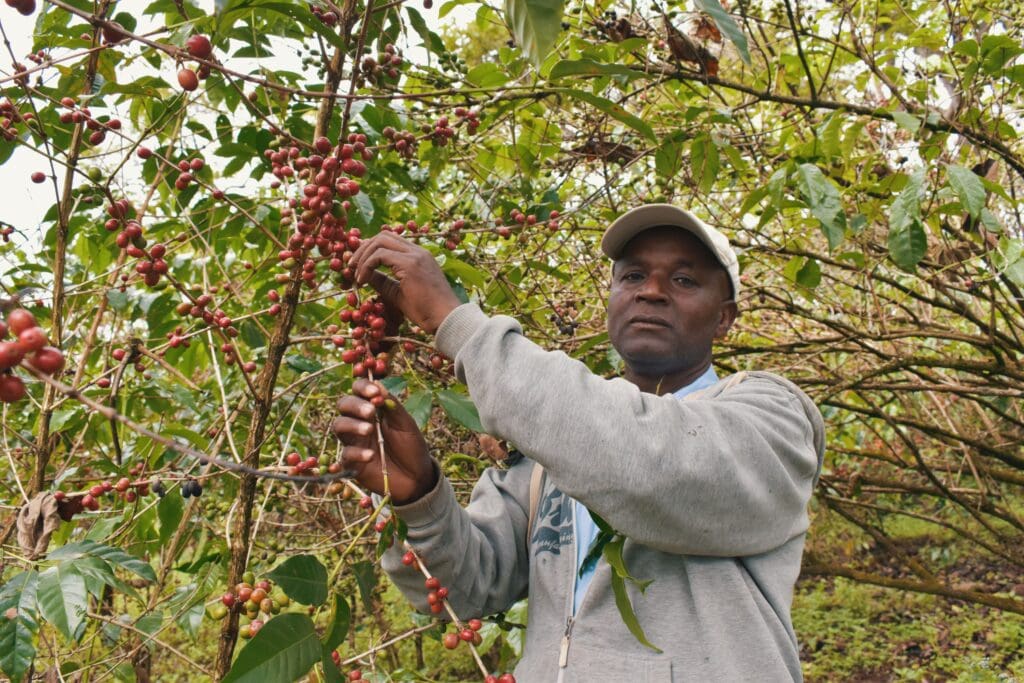
From coffee beans to milk, crockery to cleaning supplies — choose partners who share your values.
Beware of overly restrictive tied deals (e.g. “free” espresso machines in exchange for long-term bean supply contracts). If it seems too good to be true, it probably is.
Work with suppliers who want you to succeed and who provide flexibility, support, and high-quality products.
Choosing the right equipment
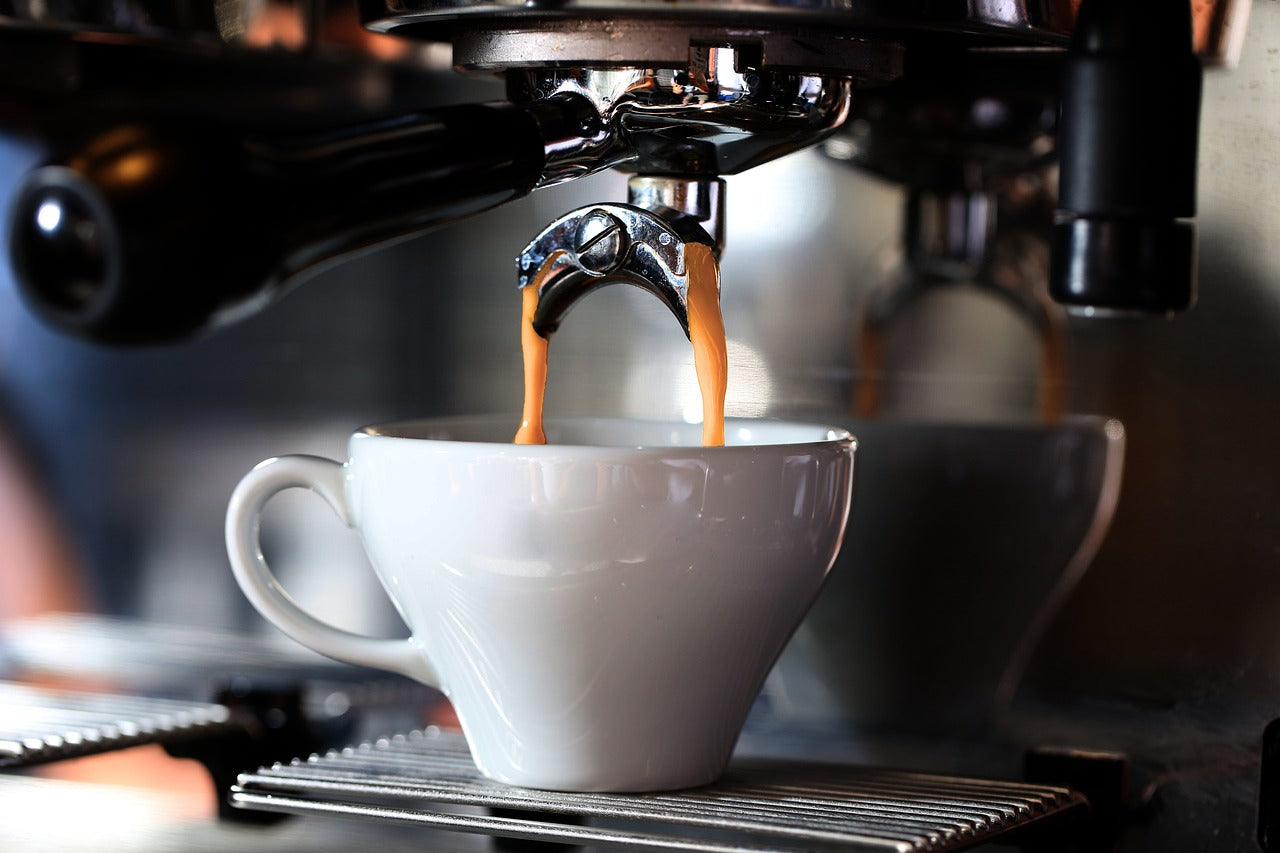
From mop buckets to espresso machines, a huge range of kit is required — and getting it right can make or break your operation.
When choosing espresso equipment, consider:
-
Output capacity
-
Reliability
-
Cost of spare parts and service
-
Training support
-
Space, power and plumbing requirements
At York Coffee Emporium, we work closely with La Cimbali due to their performance, durability, and intuitive controls. We also help cafés choose the right grinders, accessories, crockery and water treatment systems.
Explore our equipment options →
Choosing the Right Coffee
A well-crafted coffee offering can define your café’s identity.
At York Emporium, we work collaboratively with café owners to develop:
-
House espresso blends
-
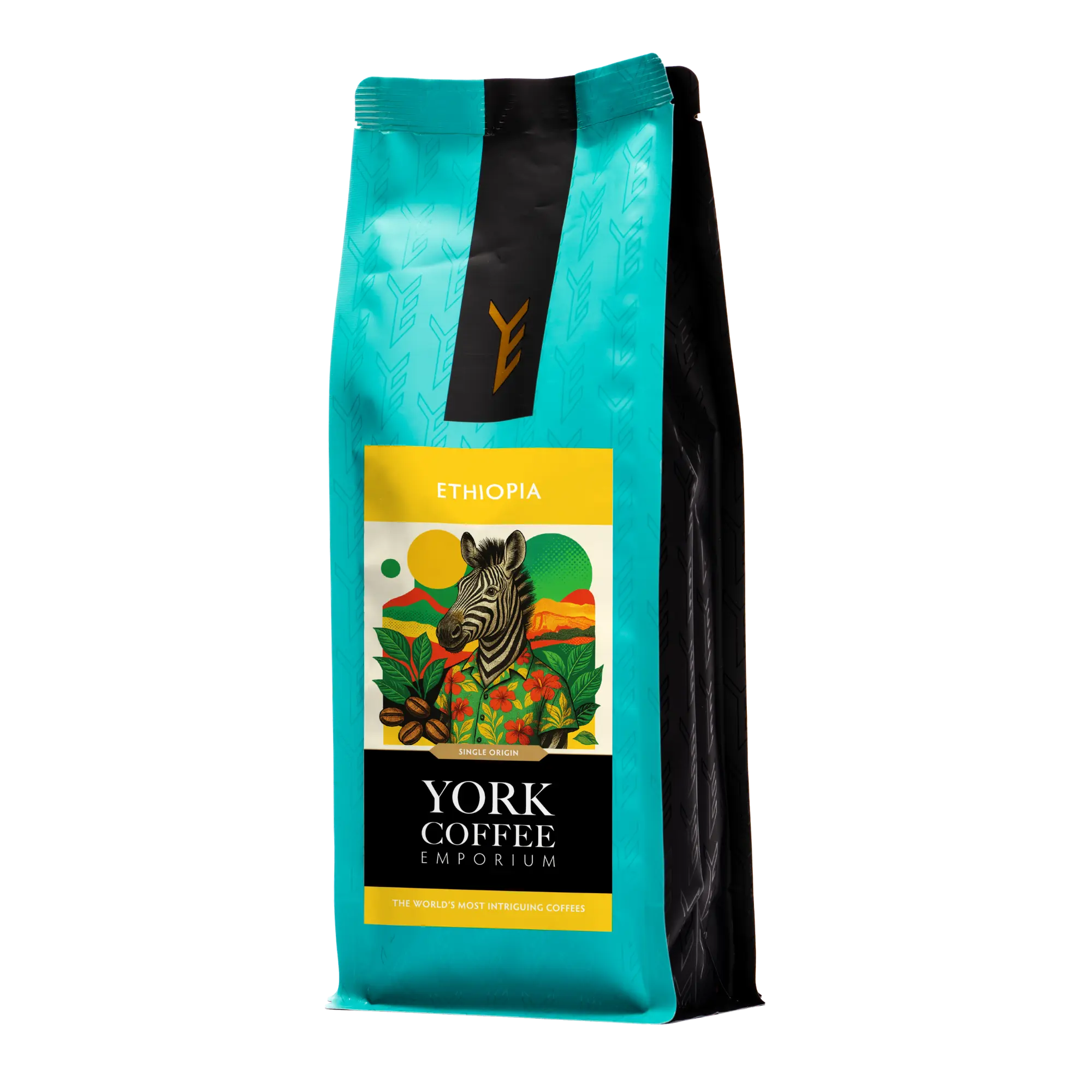
Guest coffees (seasonal single-origin options with tasting notes and provenance)
-
Custom blends, matched to your vision and customer preference
We can tweak roast profiles, adjust acidity levels, and fine-tune flavour to get your perfect cup.
See our wholesale coffee options →
How profitable is a coffee shop?
Profitability depends on many factors — including footfall, rent, staff costs, and margins. Generally:
-
Gross margins on coffee can reach 70–80%
-
Net profit margins (after costs) range between 2%–15% depending on scale and efficiency
Getting the right blend of pricing, efficiency and customer loyalty is key.
Want to start a coffee roasting business?
If you're dreaming bigger than a single shop — perhaps you’re wondering how to start a coffee roasting business — we can help with that too.
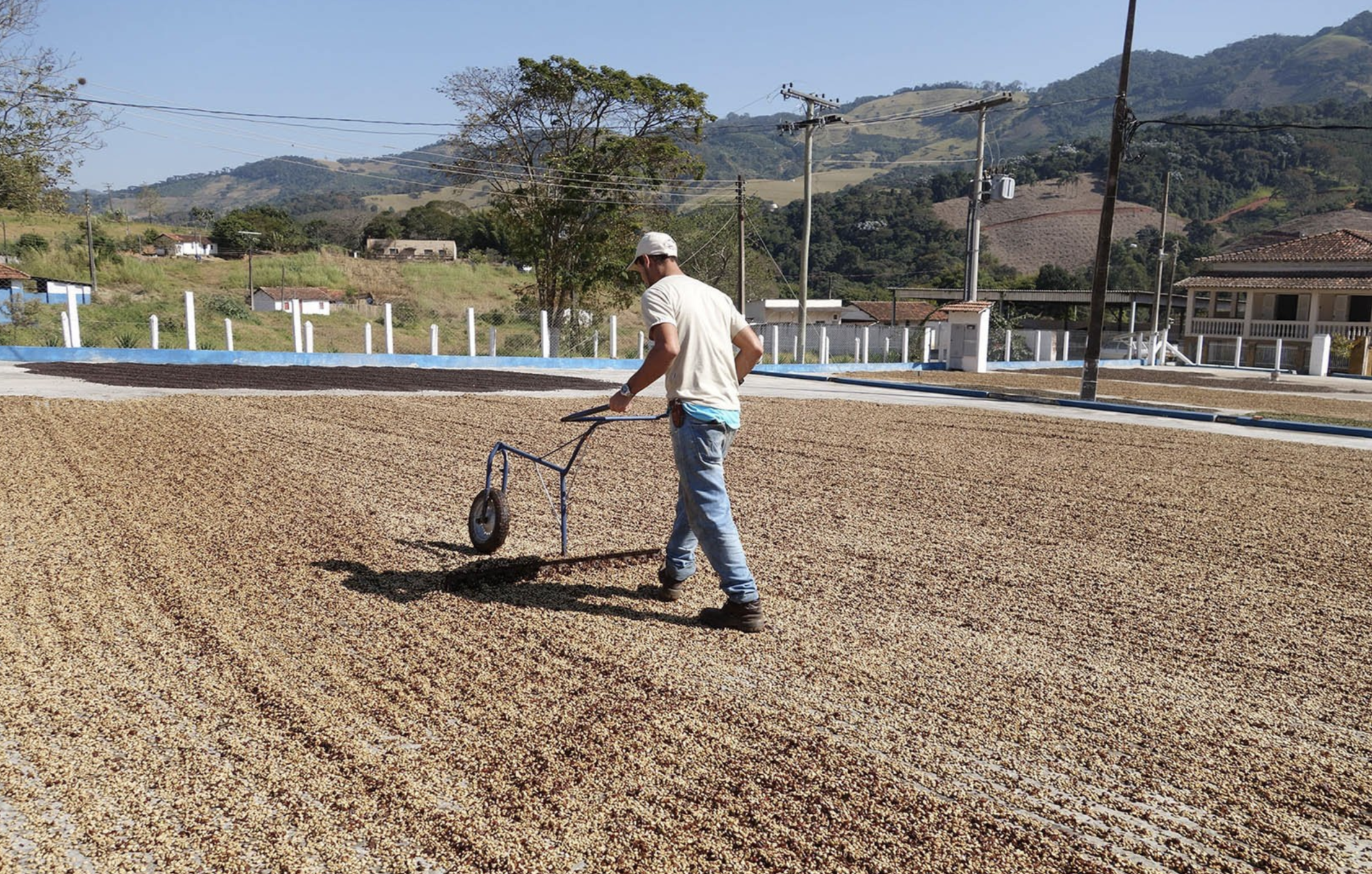
From selecting green beans to roast profiling and packaging, we offer support, sourcing, white-label options, and commercial roaster advice.
Success Stories
The specialist coffee scene continues to grow — and we’re proud to supply some of Yorkshire’s most exciting independents. From bustling city cafés to countryside escapes, one thing connects them: a commitment to great coffee.
Take Castle Howard, for example. When they switched to York Emporium, we went above and beyond to help them get their grinder dialled in — even stepping behind the counter in an apron to help on a busy day!
We Can Help
We’re not just a wholesale coffee supplier — we’re a passionate, experienced partner in your journey. From beans to baristas, grinders to guest coffees, we support you every step of the way.

Written by Erin Falkingham