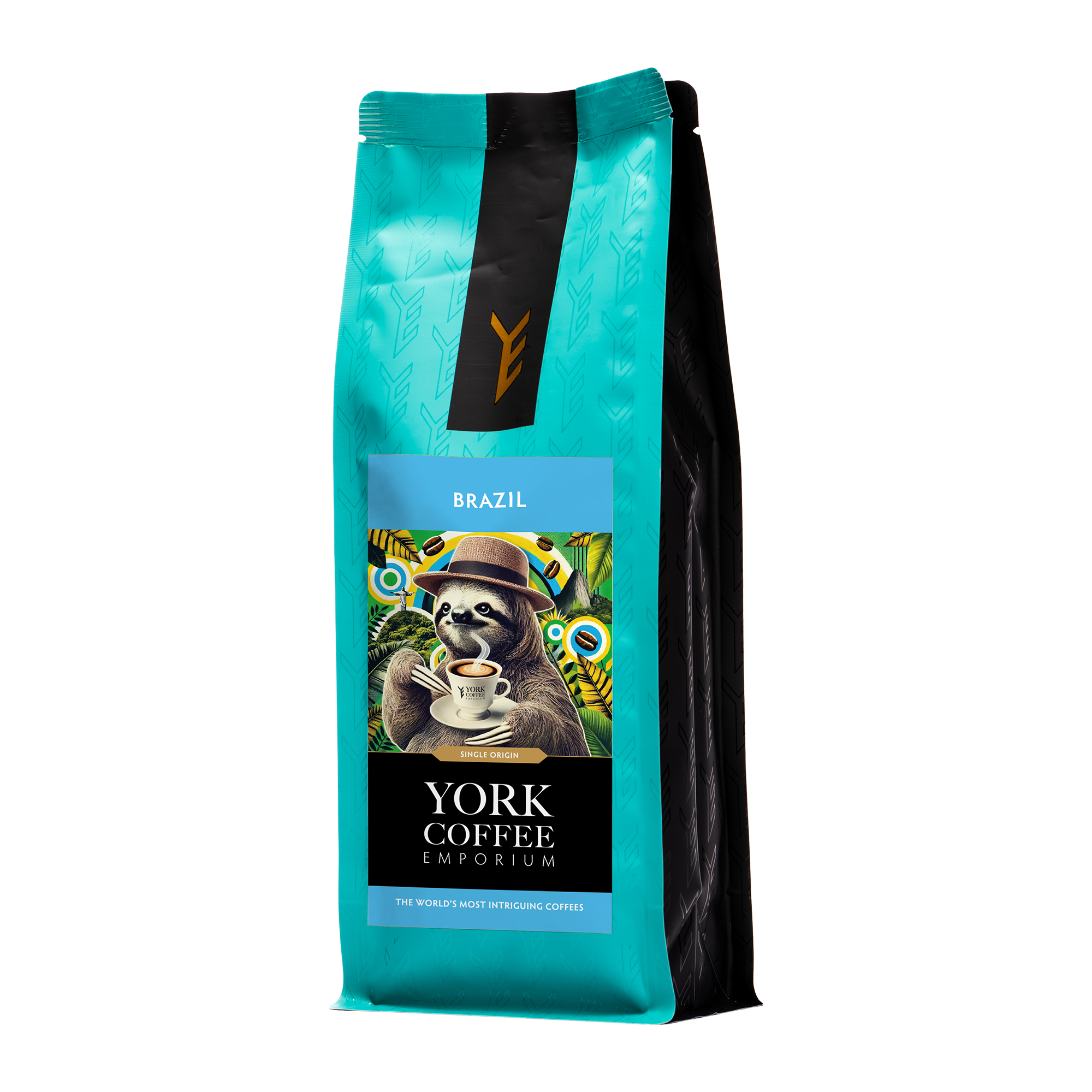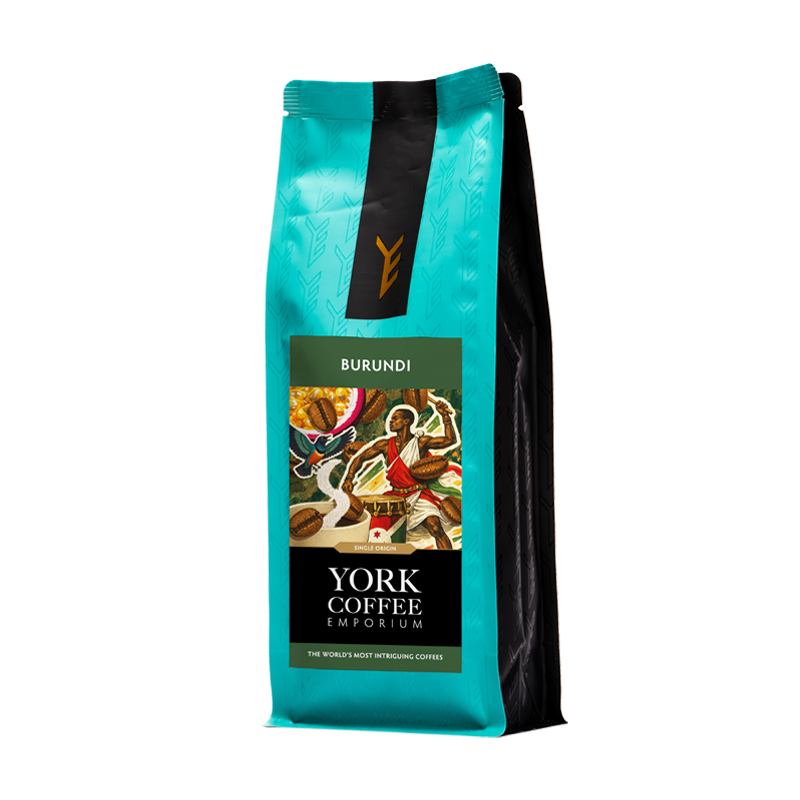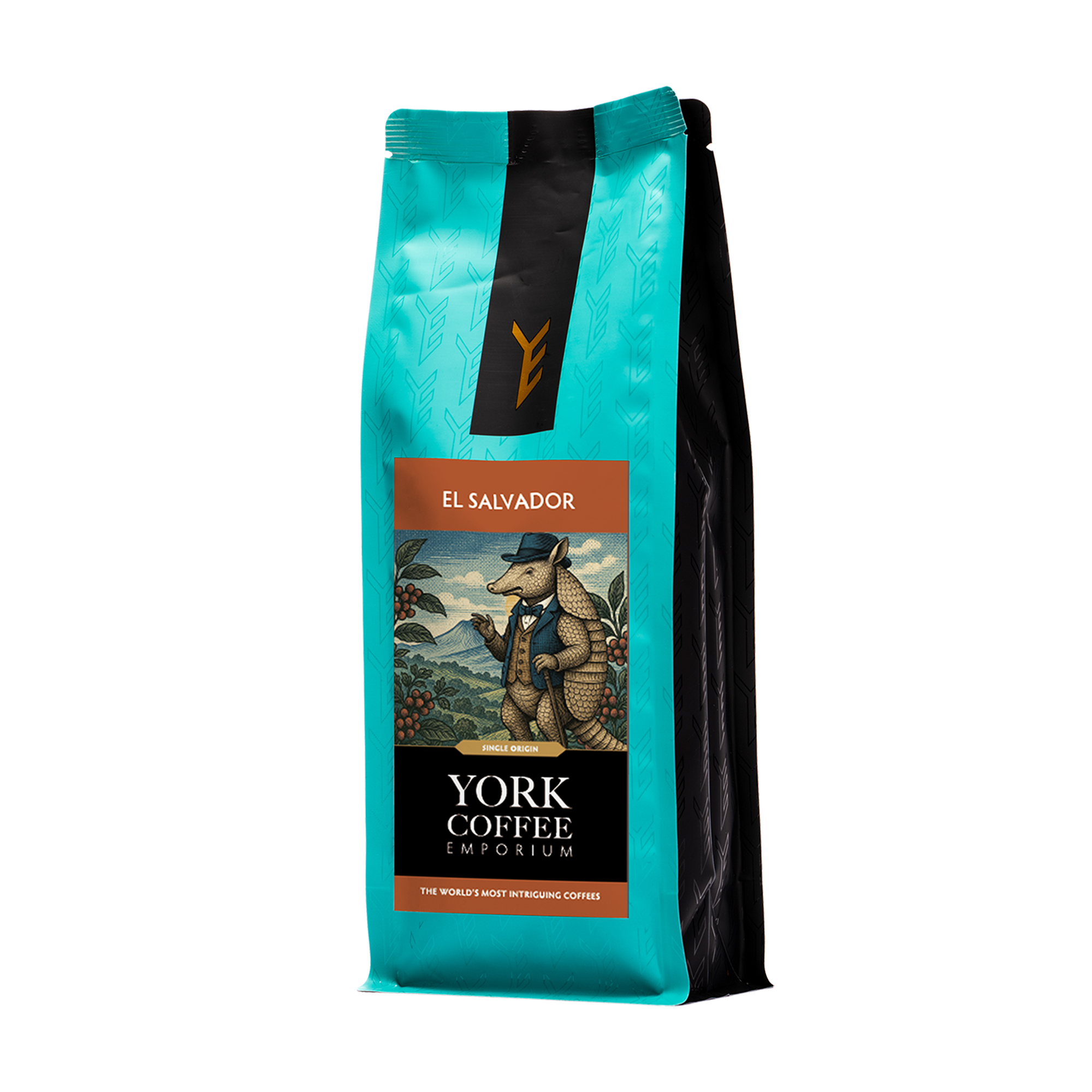


What is single origin coffee? A guide to a more interesting cup
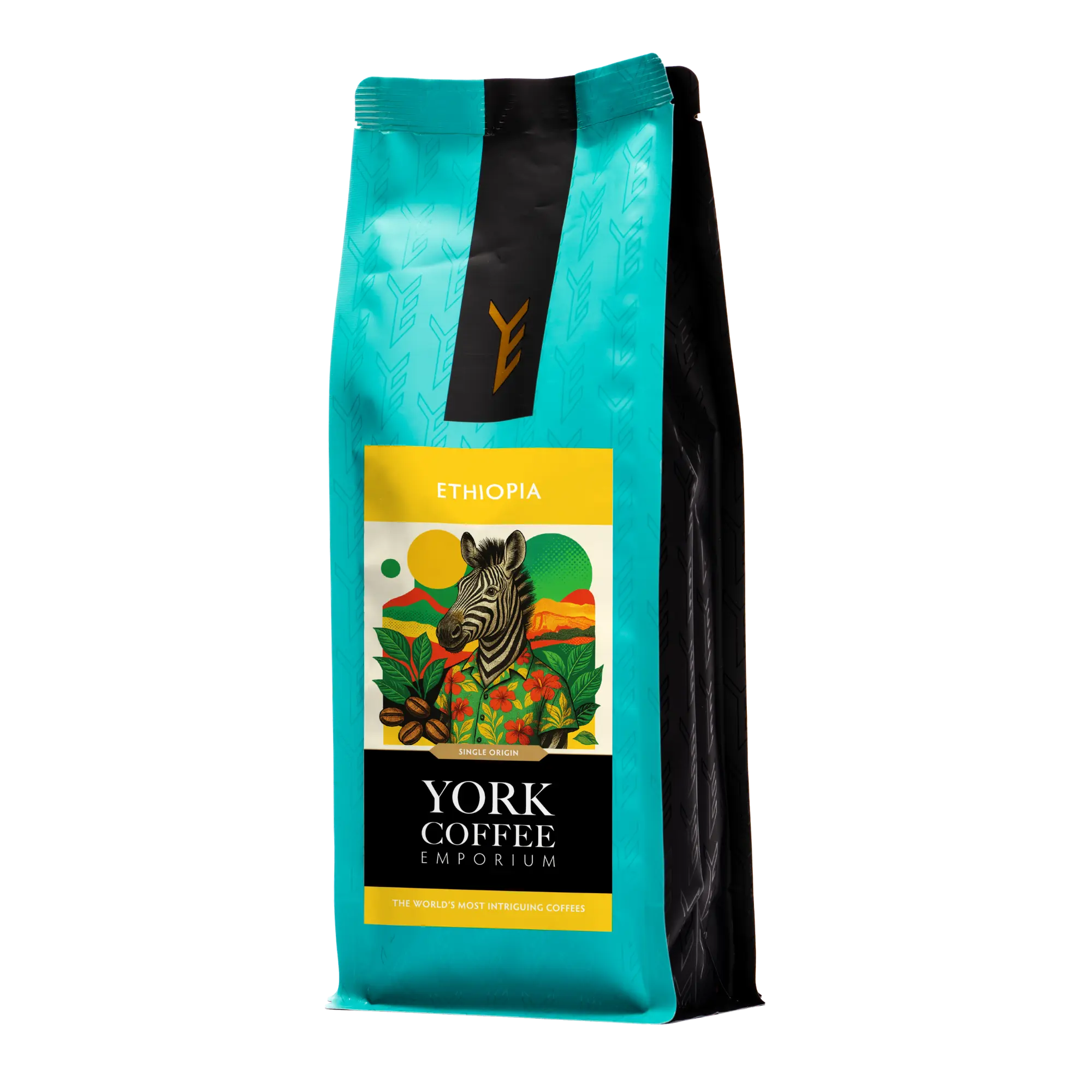
Let’s start with this: single origin coffee doesn’t mean fancy, exclusive, or overly complicated. It means the beans in your cup come from one specific place — not a mystery mix, not a blend cobbled together in a factory, but a single, traceable source.
At York Emporium, we think that matters. Because where your coffee comes from shapes how it tastes. When it’s roasted fresh and brewed well, you can actually taste that difference.
What Does “Single Origin” Actually Mean?
Single origin coffee is grown in one place. That could be:
- A country (like Colombia)
- A region within that country (like Huila)
- A specific farm or co-operative
- Or sometimes even a single plot of land
In contrast, blends combine beans from different locations to create consistency, which is great for a daily go-to and more common in supermarkets. But single origin is more like a spotlight on the landscape: soil, altitude, climate, and processing methods all come through clearly in the flavour.
If blends are a well-rehearsed band, single origin is the soloist.
Why It’s Worth Paying Attention To
Here’s what makes single origin coffee worth seeking out:
- Flavour with clarity – The natural characteristics of the bean aren’t being masked or balanced out; they’re front and centre.
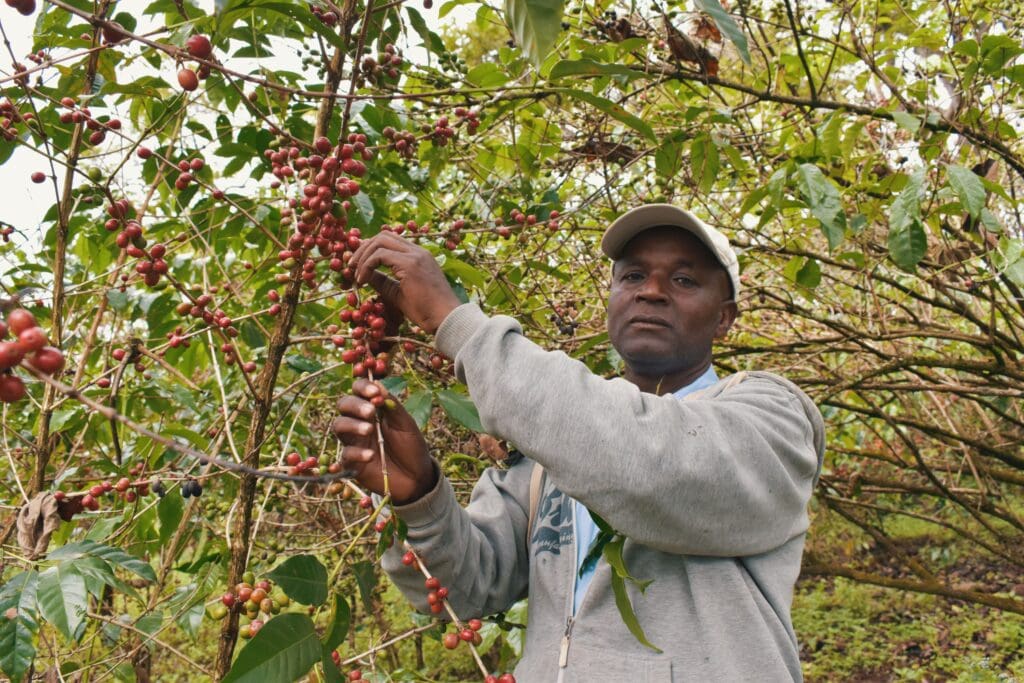
- Traceability – You know where it’s from and, often, who grew it.
- Seasonality – These aren’t year-round, mass-produced coffees. They come and go with the harvest.
- Ethical sourcing – Many single-origin lots come from producers committed to fair practices and sustainable methods.
In short, it’s a way to drink coffee that respects the work behind it and invites you to taste something closer to its original form.
Examples from Our Range (and Why They Matter)
Here at York Emporium, we roast a rotating selection of single origin coffees from across the globe. Each has its own story, and each tastes unmistakably like itself.
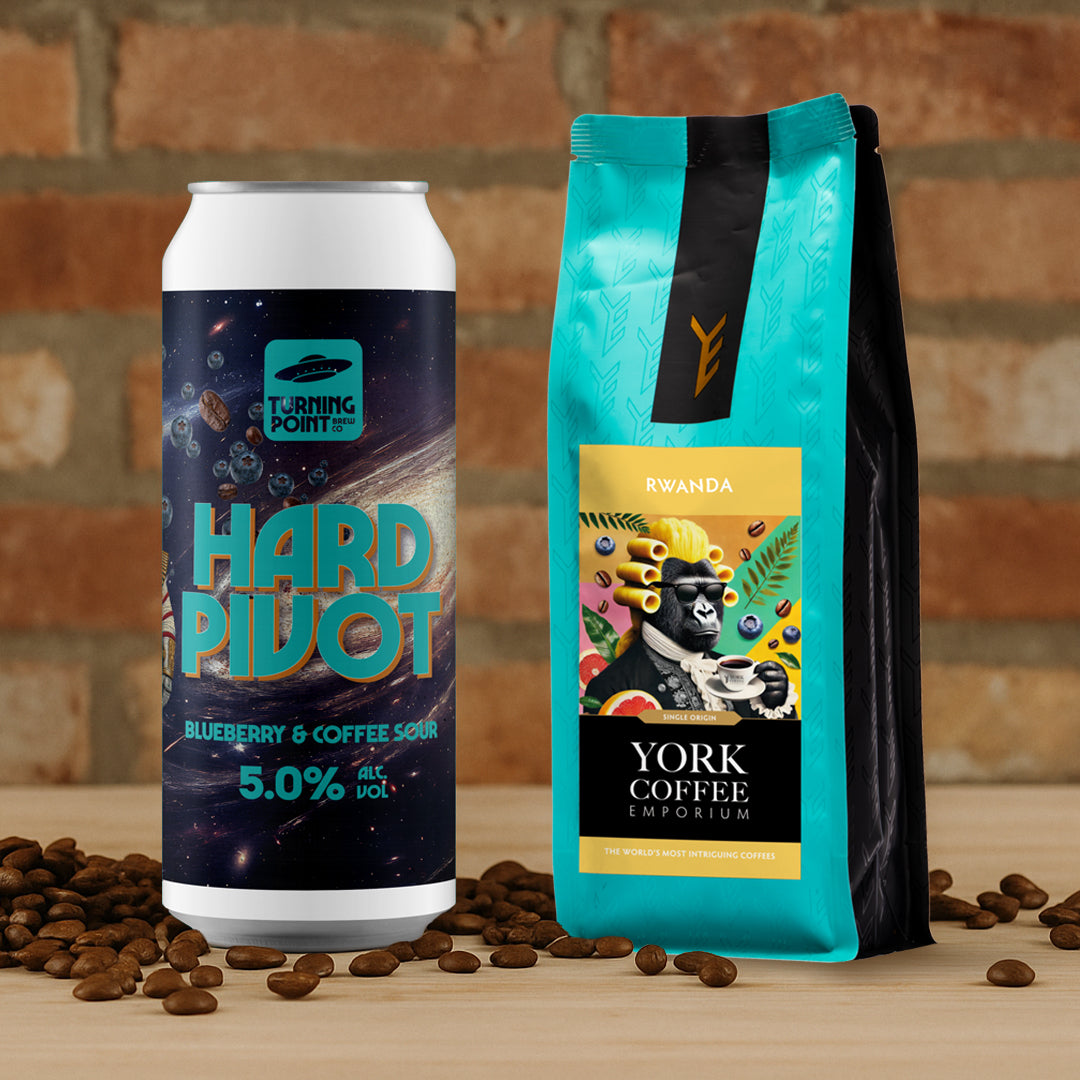
Rwanda (Ruli)
Bright and lively with gentle red fruit notes and a clean finish.
Great as a black filter coffee for those who like clarity without sharp acidity.
Tastes like: Subtle berry, mellow sweetness, and a touch of spice.
Kenya (The Gunpowder)
Vibrant and juicy with a smooth body.
Known for its depth and complexity, especially in pour overs or Aeropress.
Tastes like: Grapefruit, chocolate, and white grape.
Colombia (Papayo)
Smooth and balanced, with sweet, delicious fruit.
A versatile single origin, ideal for both black coffee and milky drinks.
Tastes like: Grapefruit, kiwi and lime.
Brazil (The Dame – Decaf)
Mellow and nutty with natural sweetness and a smooth body.
A decaf that doesn't taste like compromise.
Tastes like: Hazelnut, milk chocolate, and caramel.
We don’t say this lightly, but these coffees stand on their own. Each batch is roasted to highlight what makes it distinct, not to push it into a house style.
How to Brew It
No need for special gadgets or rituals. But if you're making the effort to try a single origin, the right brew method can help it shine:
- Pour Over – A clean, clear way to highlight delicate or complex flavours
- French Press – Brings out body and roundness (great for Brazilian or Colombian origins)
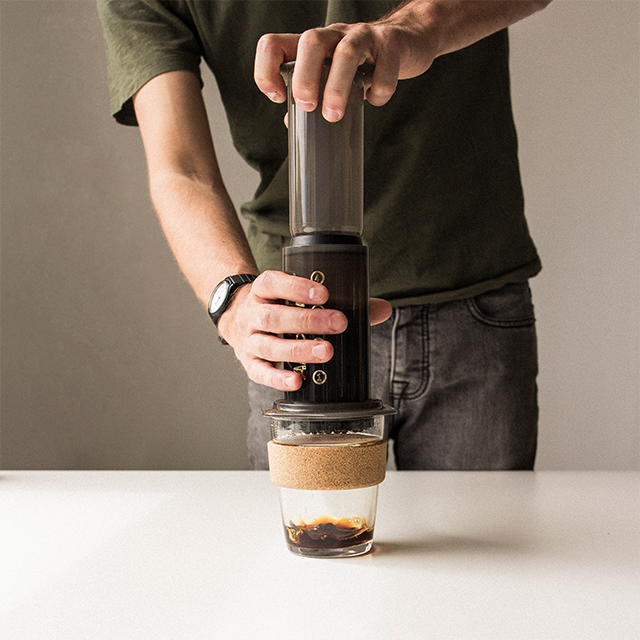
- Aeropress – Versatile and excellent for experimenting with lighter roasts
- Espresso – Bolder single origins like Rwanda or Colombia work well, especially if you’re going milk-free
And if you're not quite sure what to do with it? Drop us a line. We’re always happy to recommend a grind and a method that suits you.
Single Origin vs Blends: Do I Have to Choose?
Absolutely not. Blends have their strengths such as consistency, balance, and versatility. They're often built for milk-based drinks and daily brewing.
But if you're curious about flavour, if you want to explore the difference that geography makes, or if you're simply after something a bit more characterful, then single origin coffee beans are where it gets interesting.
They're not about being better. They’re about being different.
Why We Love It (And Why You Might Too)
At York Emporium, we like coffee that tells a story. Coffee that tastes like where it came from. Coffee that reflects the care of the people who grew it, picked it, processed it, and shipped it halfway across the world.
Single origin coffee offers a closer link between cup and origin. It’s coffee that invites you to slow down, notice what’s in the mug, and maybe even learn something along the way.
And the best part? You don’t have to be an expert to enjoy it. You just need a kettle, a mug, and an open mind.
Final Thoughts
Single origin isn’t a trend. It’s a way to drink coffee that’s a little more honest. A little more specific. A little more thoughtful.
Whether you’re new to the idea or already a convert, our range of single origin roasts is here to help you explore. No jargon, no confusion, just really good coffee from places that deserve to be tasted.

Written by York Emporium