

Arabica vs Robusta Coffee in 2025: What’s the Difference and Which Should You Choose?
When it comes to coffee, two species dominate the global market: Arabica (Coffea arabica) and Robusta (Coffea canephora). Together they account for around 99% of all coffee grown worldwide, with Arabica the larger share at roughly 60% and Robusta making up most of the rest.
But what sets these two apart, and how do they shape what ends up in your cup? This guide breaks down the essentials of Arabica vs Robusta coffee, covering flavour, cultivation, caffeine content, and their roles in the market and roasting.
| Aspect | Arabica coffee | Robusta coffee |
|---|---|---|
| World production share | ~60% (primary species globally) | ~40% (second most used species) |
| Cultivation altitude | High elevations: ~900–2,000 m, cooler highlands | Low elevations: sea level to ~800 m, hotter climates |
| Climate preferences | Mild, subtropical, 15–25°C, steady rainfall; prefers shade | Warm to hot, up to 30–36°C; tolerant to direct sun and irregular rainfall |
| Disease resistance | More susceptible to pests and diseases; requires careful cultivation | Hardier, naturally pest-resistant due to higher caffeine |
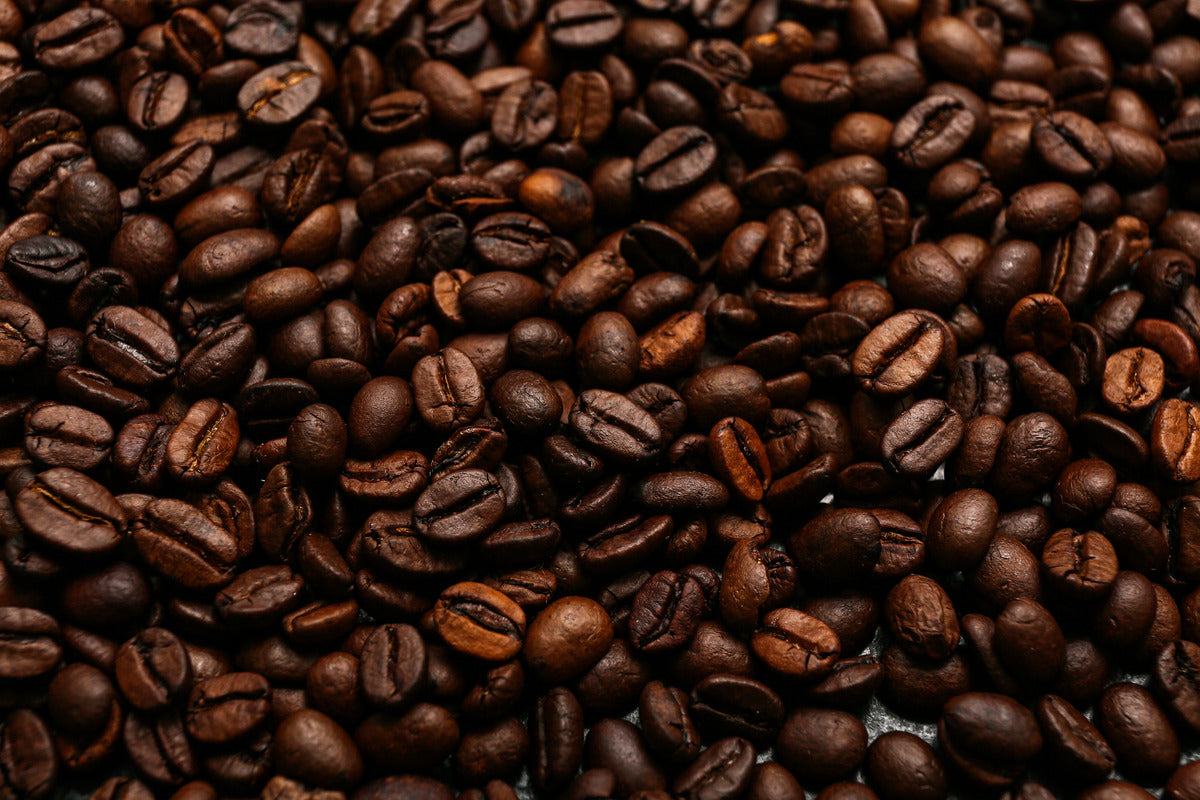
| Bean appearance | Larger, oval with curved "S"-shaped crease, oilier | Smaller, rounder with straight crease, less oily |
| Flavour profile | Smooth, aromatic, sweeter, often fruity or floral, with bright acidity | Strong, bold, earthy, more bitter, often nutty or woody |
| Caffeine content | ~1.2%–1.5% by weight | ~2.2%–2.7% by weight (roughly double Arabica) |
| Sugar & lipid content | Higher sugar and lipid content, leading to sweeter taste and better crema | Lower sugars and lipids, harsher taste and thinner crema |
| Market price | Commands premium price due to quality and cultivation costs | Generally cheaper, used for blends and instant coffee |
| Typical uses | Speciality coffee, single-origin brews, gourmet blends, pour-over, espresso | Commercial blends, espresso for crema and strength, instant coffee, Vietnamese-style |
Flavour profiles and consumer preferences
Arabica coffee is prized for its nuanced, complex flavours. It tends to have a smoother, sweeter taste with bright acidity and a range of fruity, floral, or nutty notes. You might detect hints of berries, citrus, chocolate, or honey depending on origin and roast.
This makes Arabica ideal for brewing methods that highlight delicate flavours, such as pour-over, drip filter, or French press. Speciality coffee shops predominantly use Arabica for these reasons.
In contrast, Robusta coffee has a stronger, more intense flavour profile. It is generally described as earthy, woody, and bitter, with some nutty or chocolate undertones but less aromatic complexity. Its higher caffeine content contributes to a harsher bitterness, which appeals to drinkers who prefer a bold, full-bodied cup or need a stronger caffeine kick.
Robusta is commonly used in espresso blends, especially traditional Italian styles, where it enhances crema and adds intensity. Our Italian Coffee Blend is a good example, pairing the boldness of 50% Robusta with 50% smooth Arabica for a rich, full-bodied espresso. It is also popular in instant coffees and certain regional styles like Vietnamese iced coffee, where the bitterness is balanced by condensed milk.
Cultivation and climate
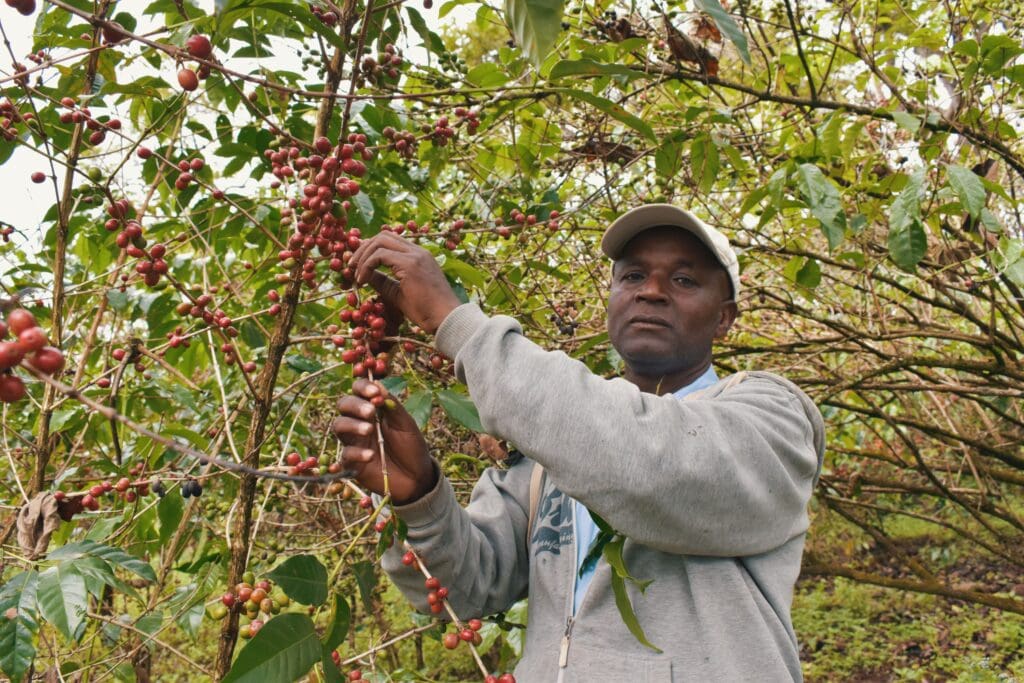
Arabica plants thrive at higher elevations (900 to 2,000 metres) in cooler subtropical climates with steady rainfall, and prefer shaded environments. They are delicate and susceptible to pests such as coffee leaf rust, requiring careful agricultural management. This delicate nature contributes to Arabica's higher production costs and premium pricing.
Robusta plants are hardier, growing well at lower elevations (sea level to around 800 metres) and tolerating hotter, more variable climates. Their higher caffeine content acts as a natural pest deterrent, making them more resilient to disease and environmental stress. Robusta also tends to yield more beans per plant, making it a more cost-effective crop.
Altitude is only one piece of that picture, but it is a big one, shaping acidity, sweetness and complexity in ways that go well beyond where the plant happens to grow. We unpack exactly how in our guide to how altitude affects coffee taste.
Caffeine content and effects
Robusta beans contain roughly twice the caffeine of Arabica, ranging between 2.2% and 2.7% by weight compared to 1.2% to 1.5% for Arabica. This higher caffeine contributes to Robusta's more bitter, astringent taste and gives a stronger kick, which some drinkers prefer for its energising effect.
Coffee market trends
Arabica remains the dominant species in speciality markets, favoured for its quality and flavour diversity. Robusta, though, has seen rising demand, partly driven by its use in instant coffee and in blends where body and caffeine strength matter. Climate change and disease pressure are squeezing Arabica yields, which feeds into market shifts and price volatility.
At York Coffee Emporium we use Robusta on purpose, not as a cheap filler. Our Italian Coffee Blend runs a bold 50/50 with Arabica, where the Robusta builds crema and body and gives the espresso its kick, while the Arabica keeps everything smooth.
Brewing recommendations: playing to each bean's strengths
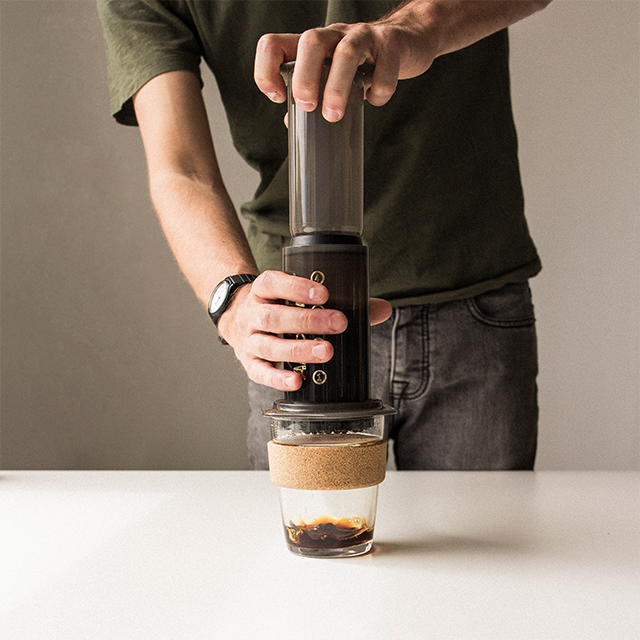
- Arabica coffee shines in gentler brewing methods like pour-over, drip filter, Aeropress, or French press, which preserve and highlight its complex flavour profiles. Lighter or medium roasts best showcase Arabica's fruity, floral, or caramel notes.
- Robusta coffee works well in espresso and strong brews where its bold, bitter character and thick crema complement milk and sugar. Cold brew methods can also soften Robusta's harshness while preserving caffeine strength.
Summary: which one should you choose?
If you prefer a smooth, complex cup with bright acidity and varied flavour notes, Arabica coffee is your go-to. It offers the rich diversity and refinement appreciated by most speciality coffee drinkers.
If you want a bold, intense, caffeine-packed brew with earthy, bitter tones, or a coffee that stands up well to milk and sugar, Robusta or a blend containing Robusta might be your best choice.
Arabica vs Robusta coffee isn't about better or worse. It's about different tastes, growing conditions, and uses. Knowing these differences helps you pick the right coffee for your preferences and brewing style.

Written by York Emporium



%20and%20Robusta%20(Coffea%20canephora).%20Together%20they%20account%20for%20around%2099%25%20of%20all%20coffee%20grown%20worldwide,%20with...)