



Tea vs Coffee: Which Has More Caffeine?
For centuries, tea and coffee have stood as the world’s favourite pick-me-ups. Both are steeped in tradition, both carry a wealth of flavour, and both contain that all-important ingredient: caffeine. But when it comes to choosing your daily boost, which drink really delivers more energy — tea or coffee?
The Basics of Caffeine
Caffeine is a natural stimulant found in both tea leaves and coffee beans. It works by blocking adenosine, the compound that makes us feel drowsy, and stimulating the release of dopamine and norepinephrine — chemicals that help us feel awake, focused, and alert.
But not all cups are created equal. The amount of caffeine in your drink depends on the type of bean or leaf, how it’s prepared, and how much you consume.
Caffeine in Coffee
A standard cup of coffee (about 240ml) contains 95–120mg of caffeine on average. Espresso is more concentrated — a single shot contains around 63mg depending on your serving size. That’s why coffee is the go-to choice for a fast, powerful energy boost.
Factors That Influence Caffeine in Coffee
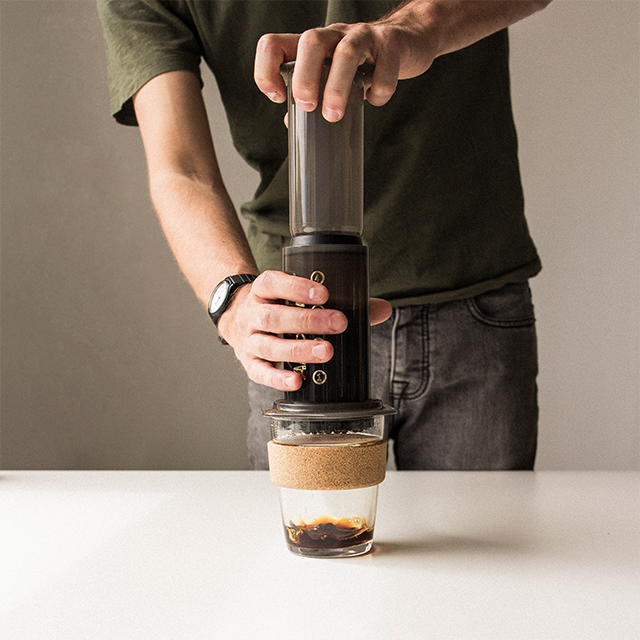
- Brew method: Espresso and Moka pots extract more caffeine per ml than cafetières or filter coffee.
- Roast level: Despite the myth, dark roasts don’t necessarily contain more caffeine — they just taste bolder.
- Serving size: A large mug of filter coffee will usually contain far more caffeine than a small espresso.
Caffeine in Tea
Tea generally contains 30–60mg of caffeine per cup, which is significantly less than coffee.
However, tea also contains an amino acid called L-theanine, which slows the absorption of caffeine.
This means that while tea provides a gentler lift, the effect is often smoother and longer-lasting than coffee’s quick spike. That’s why many people turn to tea for calm focus rather than instant alertness.
Coffee vs Tea: Which Should You Choose?
- Need a quick, strong boost? Coffee is your champion. Perfect for early mornings, long commutes, or mid-afternoon slumps.
- Want steady focus without jitters? Tea provides a more measured lift, ideal for study sessions, late evenings, or when you want calm concentration.
- Watching your caffeine intake? Tea offers a lower-caffeine option, and decaf coffee provides the taste of coffee without the buzz.
At York Emporium
While coffee is our first love, we also celebrate the role tea plays in daily rituals. Our coffees are roasted for maximum flavour and satisfaction — whether you need the fast hit of an espresso pod or the slow comfort of a cafetière brew.
If you’re curious about caffeine, try experimenting with different brewing styles, or switch between tea and coffee depending on what your day demands.
The Verdict
Coffee generally contains more caffeine than tea — often double. But the “better” choice depends on the kind of energy you’re after. Coffee delivers a fast, bold kick. Tea offers steady, focused calm. Both are centuries-old traditions that have fuelled conversation, creativity, and connection.
Browse our coffees and find the brew that suits your daily rhythm.

Written by York Emporium