
The Indonesia You Don't Know: Inside a Natural-Process Lot from the Gayo Highlands

If you've ever drunk an Indonesian coffee from the island of Sumatra, you'll probably remember it. That dense, earthy, herbal style is one of the most recognisable cup profiles in the world. Wet-hulled, full-bodied, low in acidity, with notes of cedar, tobacco, and forest floor. It's the taste of an entire island.
The coffee we're about to release isn't that.
It's a natural-process Arabica from the Gayo Highlands of Aceh, in northern Sumatra, and it tastes nothing like the Indonesian coffees you might know. Bright bergamot and citrus, ripe pineapple and lime, a nutty backbone, and a long, gently spiced finish. Clean, fruit-forward, and quietly confident. The kind of coffee that makes you double-check the bag, because surely this can't be from where it says it's from.
It is. And the story of how it ended up tasting this way is worth telling.
The Indonesian style you probably know
Almost every Sumatran coffee on the market is processed using a method called giling basah, or wet-hulling. It's a technique that's unique to Indonesia, found almost nowhere else in the coffee world, and it's the reason Sumatran coffee tastes the way it does.
The short version: instead of drying the coffee fully in its parchment shell before milling, Sumatran farmers hull the beans while they're still wet, at around 30 to 35 per cent moisture, and then dry the naked green beans afterwards, a direct response to the region's climate.
Sumatra is humid, cloudy, and unpredictable, and the wet-hulling method gets the coffee to a stable, sellable state faster than traditional drying allows. It's a clever workaround that became a tradition, and the tradition shaped the flavour of an entire region.
The result is that dense, earthy, herbal cup. Low acidity, heavy body, complex but rarely bright. It's a style with deep loyalty and equally deep critics. You either love it or you don't.
Naturals from Sumatra are rare for the same reason. The climate makes slow, even sun-drying difficult, and the risk of fermentation defects is high. So when a Sumatran cooperative does choose to produce a natural, they have to work hard to make it clean. Most don't bother. The ones that do are doing something genuinely difficult, and the results, when they get it right, are worth paying attention to.

The Gayo Highlands, and why altitude matters
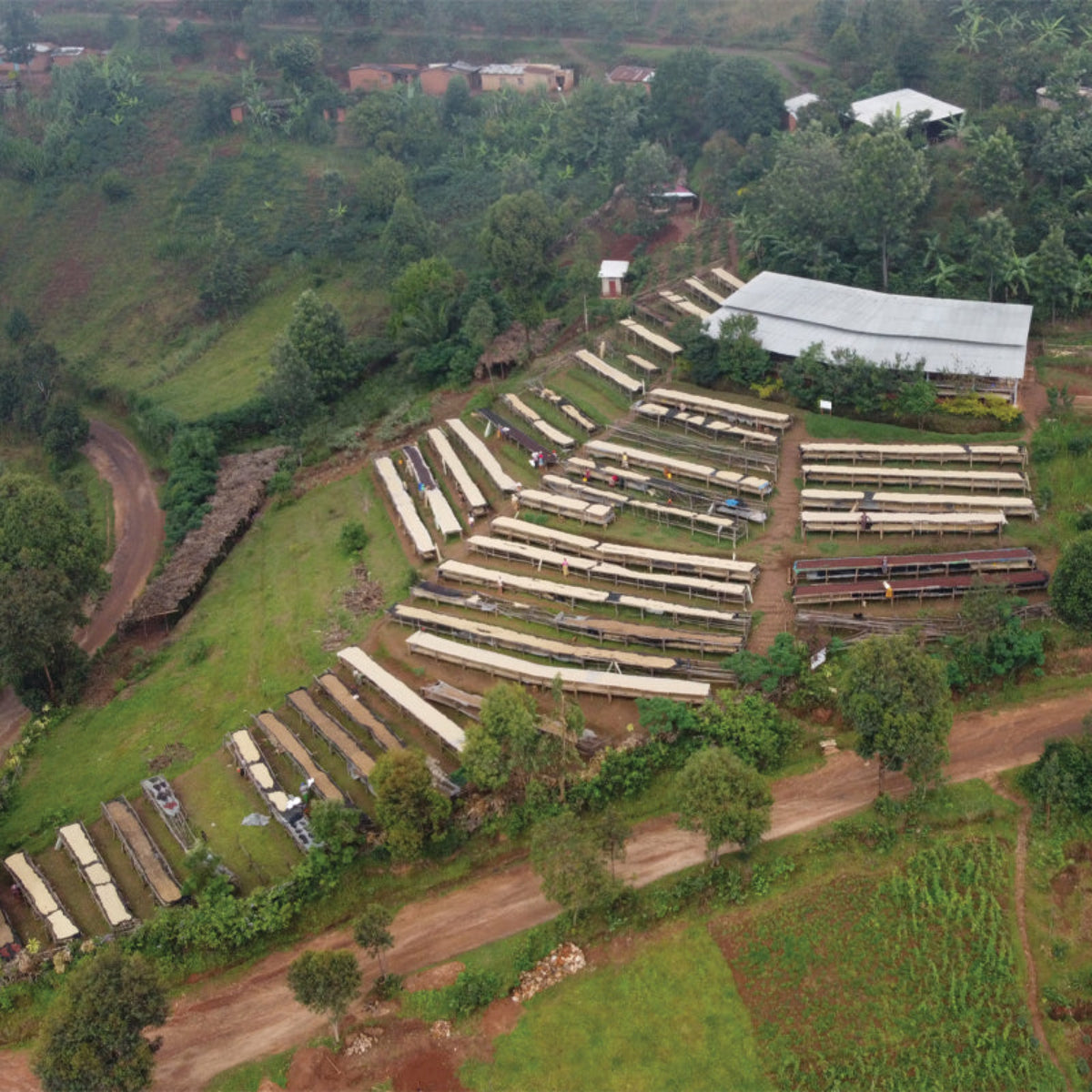
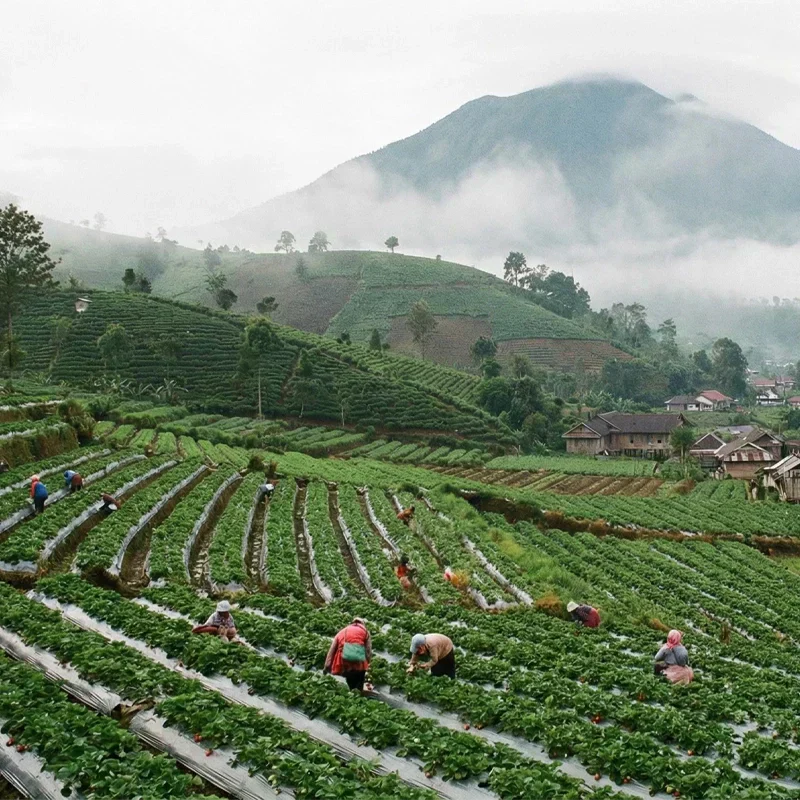
This coffee comes from the Gayo Highlands, a mountainous region in the province of Aceh, right at the northern tip of Sumatra. The Gayo Highlands are Indonesia's largest Arabica-producing region by volume, and the coffee grown here has held a Geographical Indication since 2010, which legally protects the name and ties the coffee's identity to the land it's grown on.
The farms that produced this lot sit between 1,300 and 1,550 metres above sea level. That altitude matters more than it might sound.
The mean annual temperature in the Gayo Highlands is around 19 degrees Celsius, with daytime temperatures hovering between 18 and 22. Those are cool temperatures for the tropics, and they have a direct effect on how coffee cherries develop. Cooler conditions slow the maturation of the cherry, which means the bean inside has more time to develop sugars and acids. Slow growth concentrates flavour. It's why the world's best coffees almost always come from high altitudes, regardless of country.
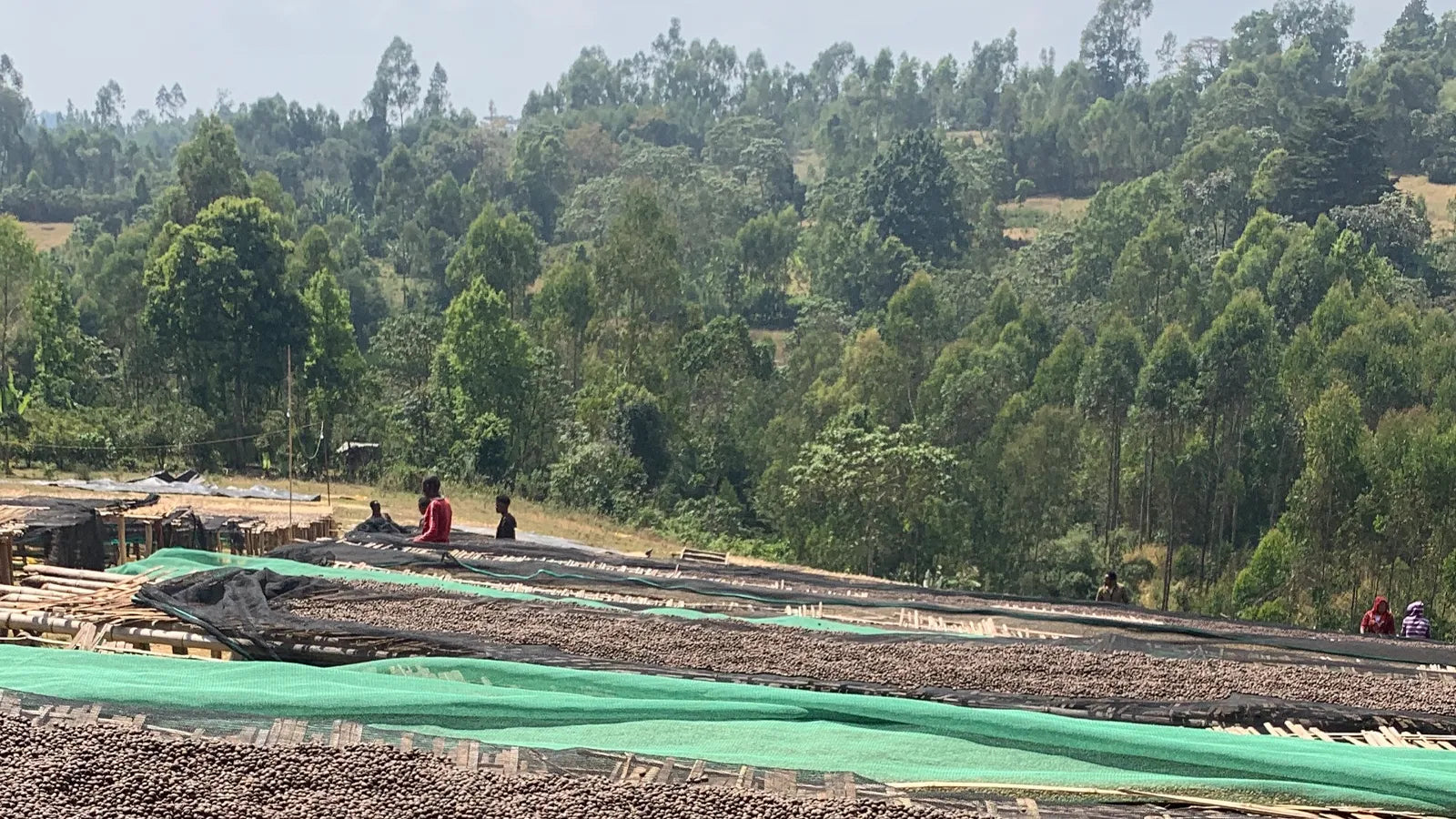
The same slow conditions also help during drying. The natural process, where cherries are dried whole in the sun rather than depulped first, depends on a delicate window. Too hot and the cherries ferment too fast, producing wild, boozy, sometimes unpleasant flavours. Too cool and damp and you get mould, defects, lost lots. The Gayo Highlands sit in the sweet spot. The high altitude moderates the temperature, the slopes drain well, and the long sunlight hours allow for steady, gentle drying.
The result is a natural that develops cleanly. The fruit notes you taste in the cup, the bergamot, the pineapple, the lime, are the product of a fermentation that was slow enough to do its work without going feral. We'll write a longer piece on altitude and flavour soon, because it's a topic that rewards proper attention, but for now the takeaway is this: this coffee tastes the way it does in large part because of where it was grown, and how slowly nature was allowed to work on it.

The people behind the coffee
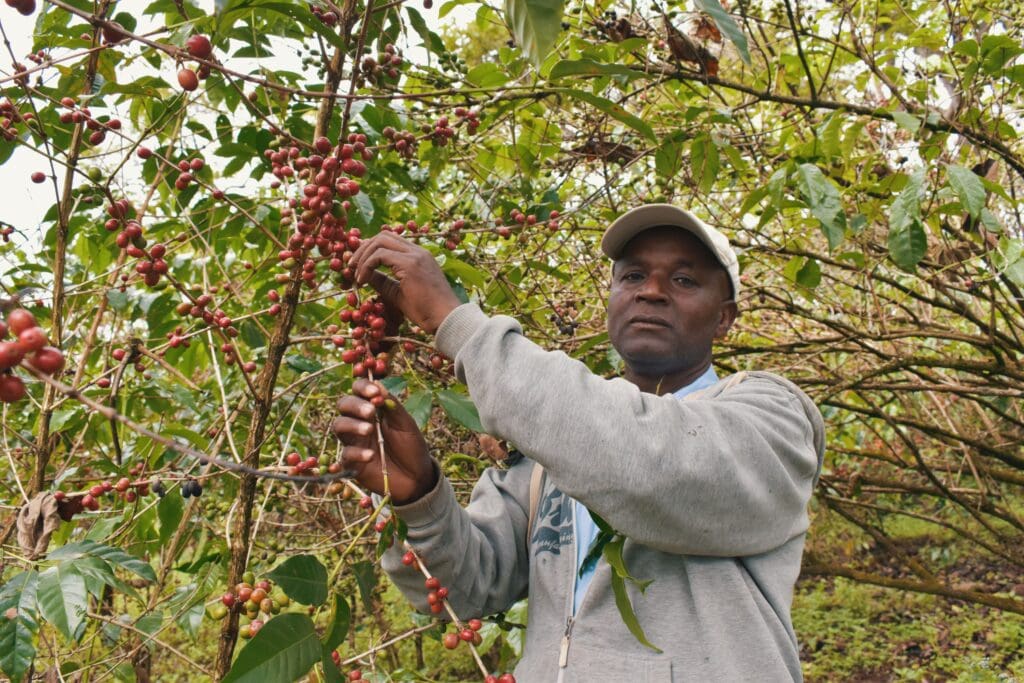
This lot was produced by the Sumatra Permata Gayo Cooperative, a farmer-owned cooperative based in the Bener Meriah district of Aceh. Their story is worth knowing.
The cooperative was founded in 2006, in the aftermath of the Aceh conflict, a decades-long armed struggle between the Indonesian government and the Free Aceh Movement that had finally ended with a peace agreement in 2005. The conflict had displaced farming families across the region for years, leaving coffee farms abandoned and the local economy in pieces. The 2004 Indian Ocean tsunami had compounded the damage. By the time the peace agreement was signed, there was a lot of rebuilding to do.
Permata Gayo started with 50 farmers from five villages, who came together to rebuild their farms and take more control over how their coffee was sold. Before the cooperative, most smallholders sold unprocessed cherries to local collectors at whatever price they could get. The collectors processed the coffee and sold it on, taking the margin. The farmers rarely knew where their coffee ended up, or what it sold for.
By organising as a cooperative, the farmers could process and export their coffee themselves, capturing more of the value and building direct relationships with buyers. Within a year they had achieved organic certification. By 2009 they were Fairtrade certified. Today the cooperative has over 2,000 members across 39 villages, with certifications including Fairtrade, Organic, Rainforest Alliance, and Small Producers. This particular natural lot draws on a group of around 520 contributing smallholders.
Permata Gayo is the kind of producer that exists because a community decided to build something better. The cooperative invests in farmer training, soil and crop improvement, financial empowerment, and democratic, transparent management. Every bag of their coffee that we roast supports that ongoing work.
What to expect in the cup
Tasting notes are personal, but here's what we kept finding when we cupped this coffee.
On first sip, bergamot. That clean, slightly floral citrus you get from a good cup of Earl Grey, lifting out of the cup almost immediately. Behind it, a brighter, sharper citrus, more lime than orange. Then the body opens up and you start finding the tropical fruit. Pineapple is the clearest one, ripe and sweet rather than green. Underneath everything, a nutty depth, almost like roasted almond, that gives the cup its structure and stops the brightness from feeling thin.
The finish is long, faintly spiced, with hints of something that might be cardamom or might just be the suggestion of it. The body is syrupy without being heavy. The acidity is bright without being sharp.
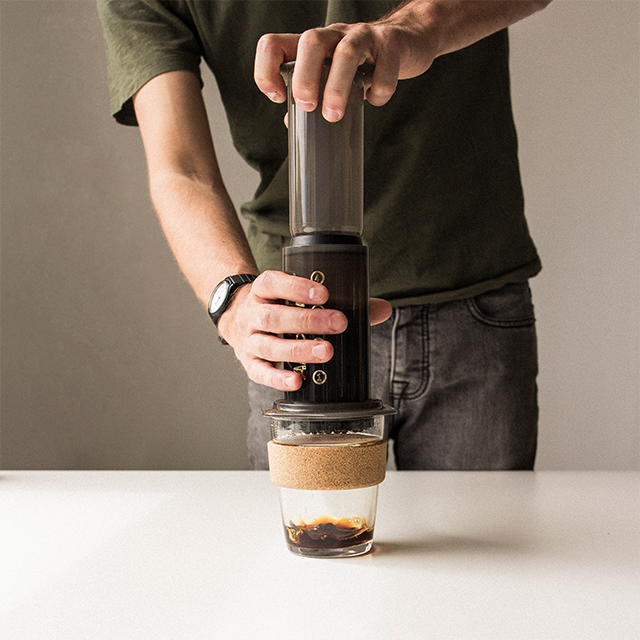
It's a cup that rewards a careful brew. We'll be reaching for a V60 or an Aeropress when this lands, where the citrus and tropical fruit have room to sing. Pulled as espresso, it turns juicy rather than punchy. Whatever way you brew it, it's a clean, considered, modern natural, and a genuinely surprising example of what Indonesian coffee can be when the conditions and the craft align.
When it lands
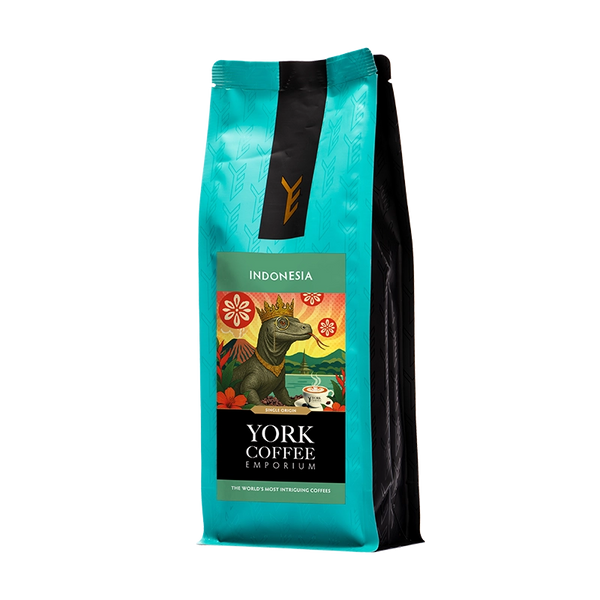
Indonesia Gayo Natural is now live, in 200g, 500g, and 1kg bags, available across all our usual grind options. We'll be roasting it medium-light to bring the tropical fruit forward without losing the delicate citrus on top.
If you'd like to be the first to know when we release new coffees, join our dispatch list below. Email subscribers get first notice on every new release.