


Where do Arabica beans come from? The origins of Arabica coffee
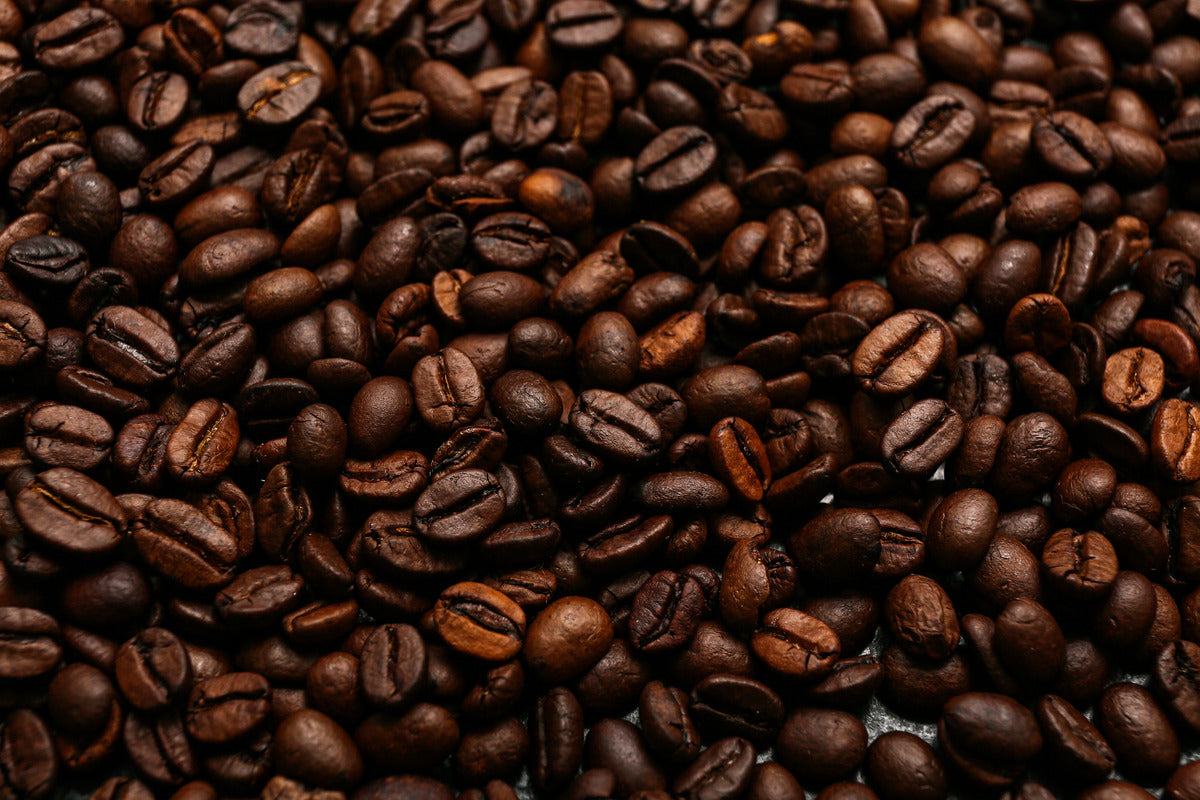
When you hear the term Arabica beans, it refers to one of the most celebrated coffee species in the world, Coffea arabica. Renowned for its delicate flavours and aromatic qualities, Arabica coffee beans are the foundation of many of the world’s finest coffees. But where exactly do these prized beans come from, and what makes their origins so special?
The birthplace of Arabica coffee beans
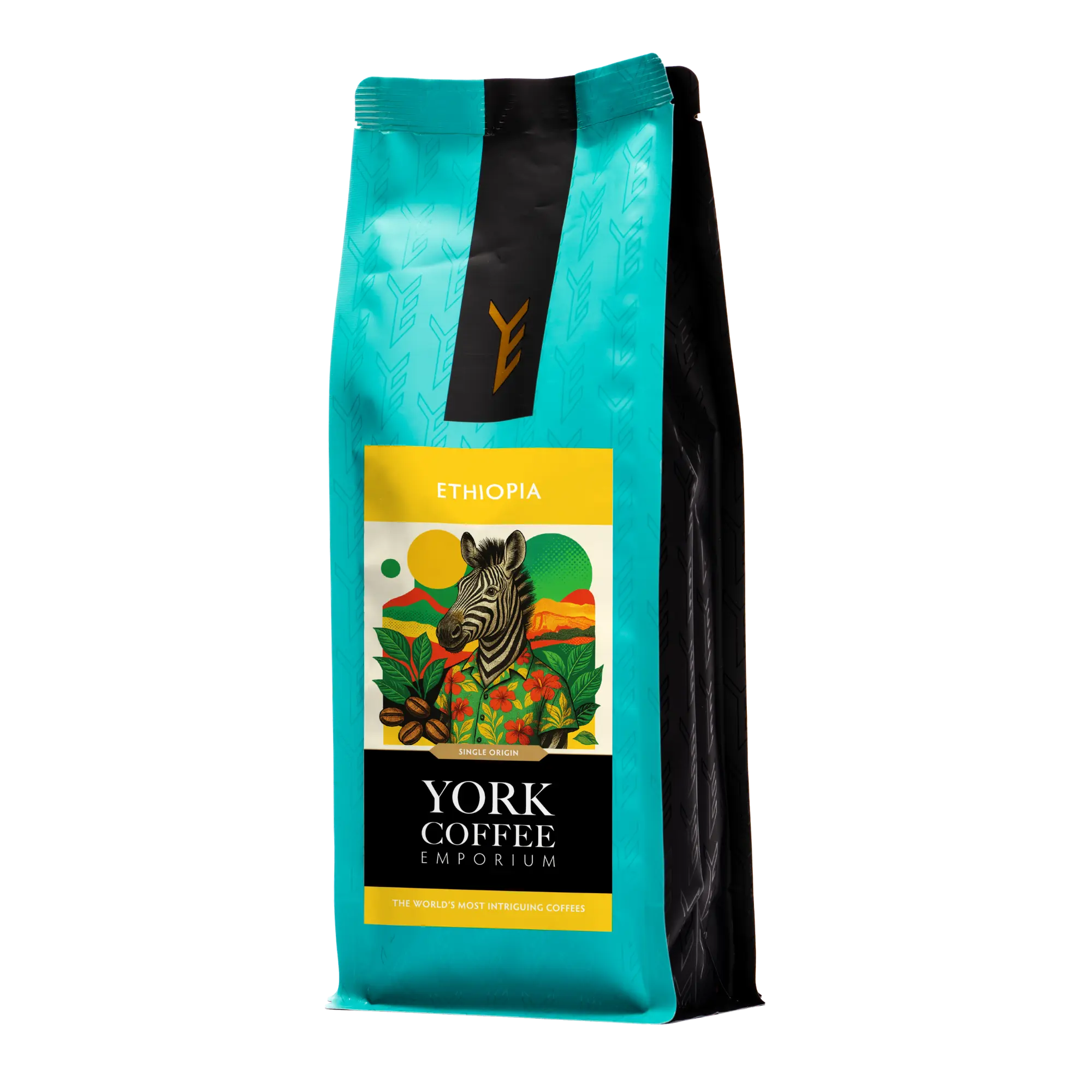
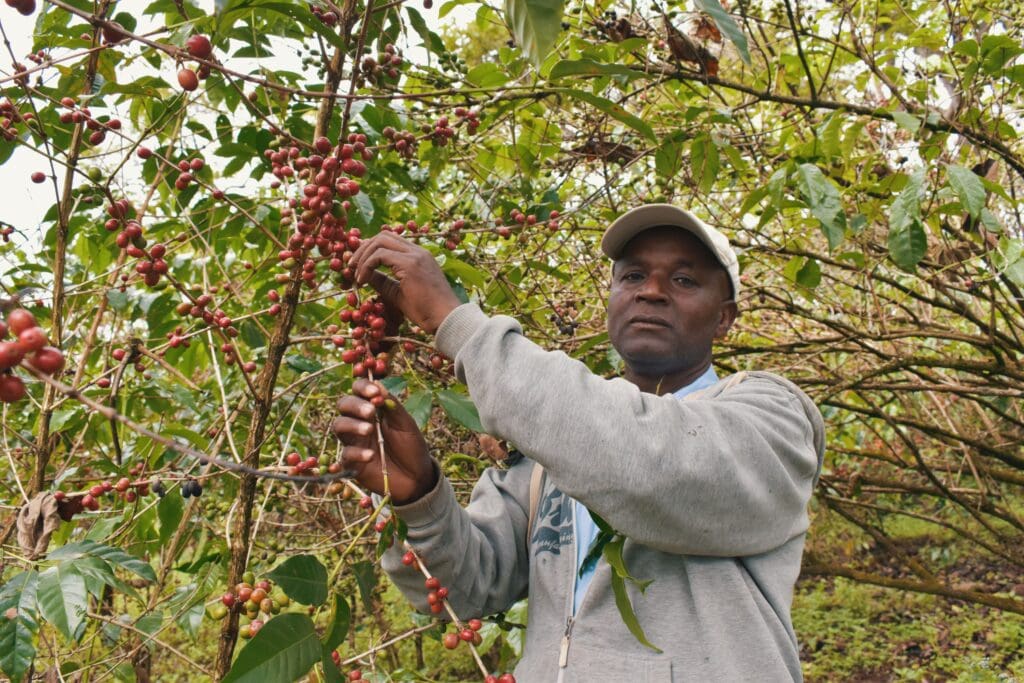
The story of Arabica coffee begins in the ancient forests of Ethiopia. Here, the wild coffee plants first grew, thriving under the shade of lush canopies. This East African homeland remains a crucial coffee-growing region today, known for producing beans with bright, floral, and fruity notes that reflect the unique terroir.
Key regions cultivating Arabica beans worldwide
Over centuries, cultivation of Arabica beans spread beyond Ethiopia, flourishing in the mountainous regions within the “coffee belt”, a narrow band around the equator where climate and altitude create ideal growing conditions.
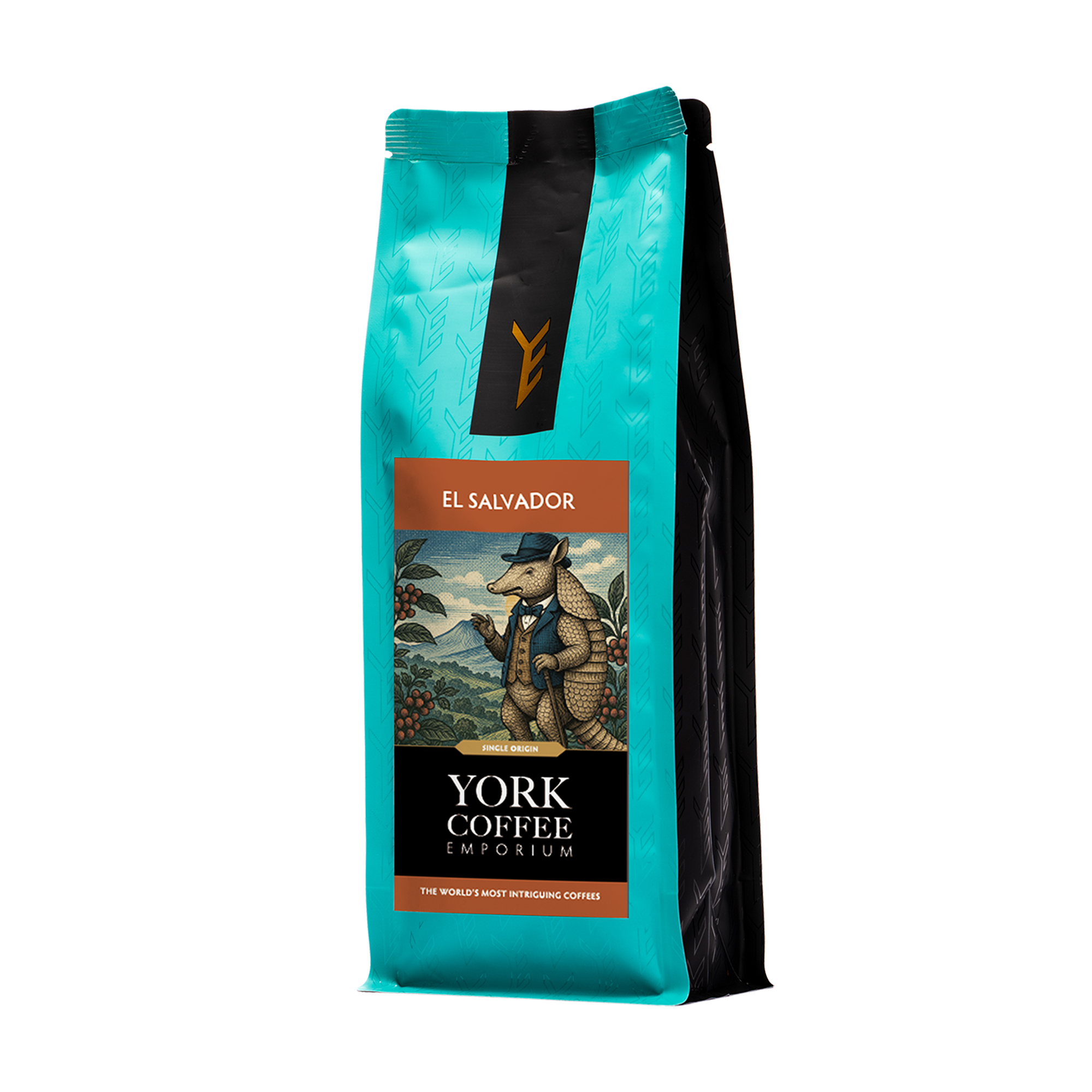
- Central America: Countries like Guatemala, Honduras, Costa Rica, and El Salvador grow Arabica beans at high elevations. These coffees are often prized for their clean, bright acidity and flavour profiles featuring citrus, nuts, and chocolate.
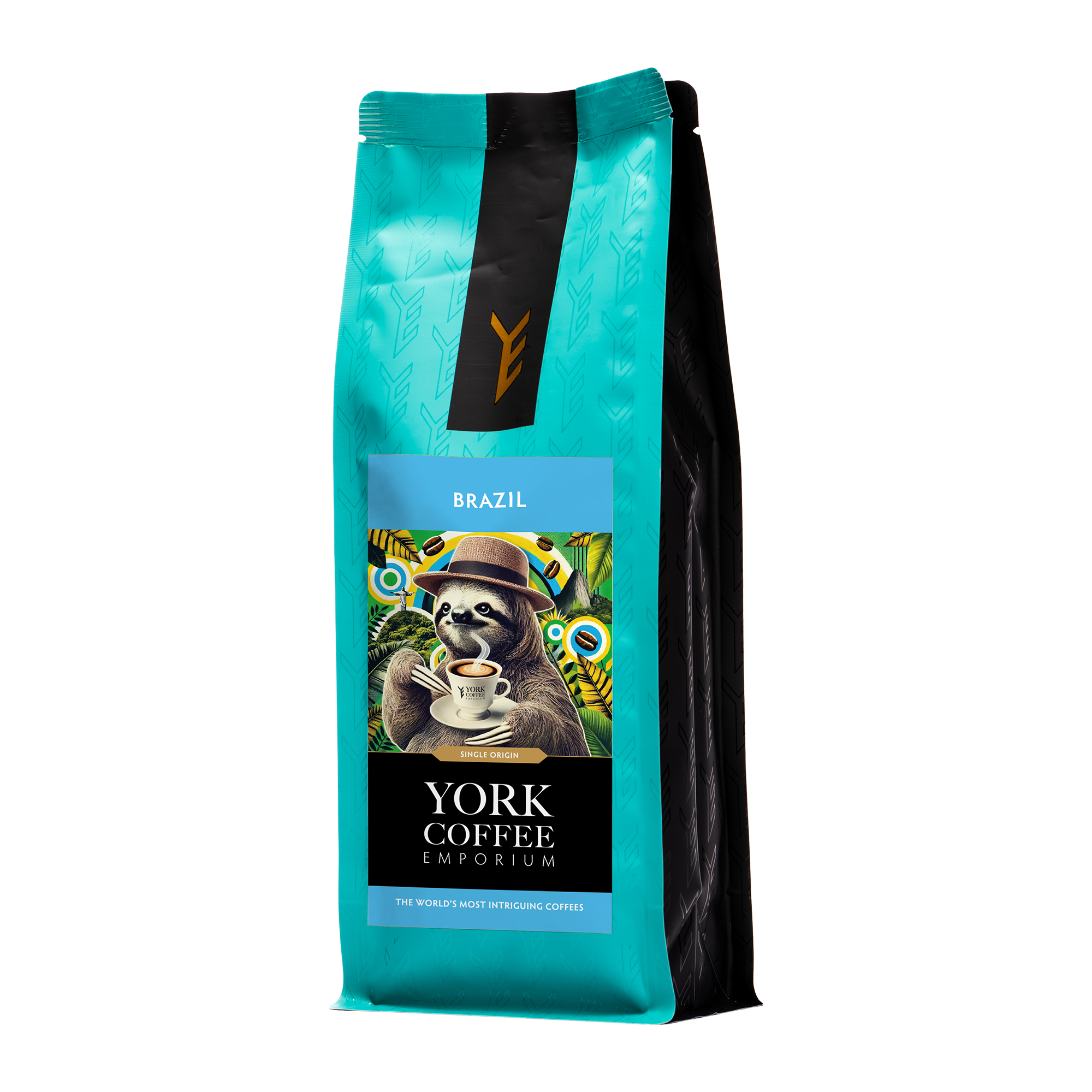
- South America: Colombia and Brazil are two giants in Arabica production. Colombia, with its mountainous terrain and volcanic soil, produces coffees known for balanced sweetness and vibrant fruit notes. Brazil, the largest coffee producer globally, offers smoother, nutty Arabica beans often used in blends.
- Africa: Apart from Ethiopia, Kenya and Rwanda are renowned for their Arabica coffees. Kenyan beans typically boast bold acidity with berry and citrus notes, while Rwandan coffees are praised for their delicate fruitiness and brightness.
- Asia and Oceania: Countries such as Indonesia, Yemen, and Papua New Guinea cultivate Arabica with profiles that vary from earthy and spicy to bright and floral, influenced by their unique climates and processing techniques.
Altitude, climate, and why they matter
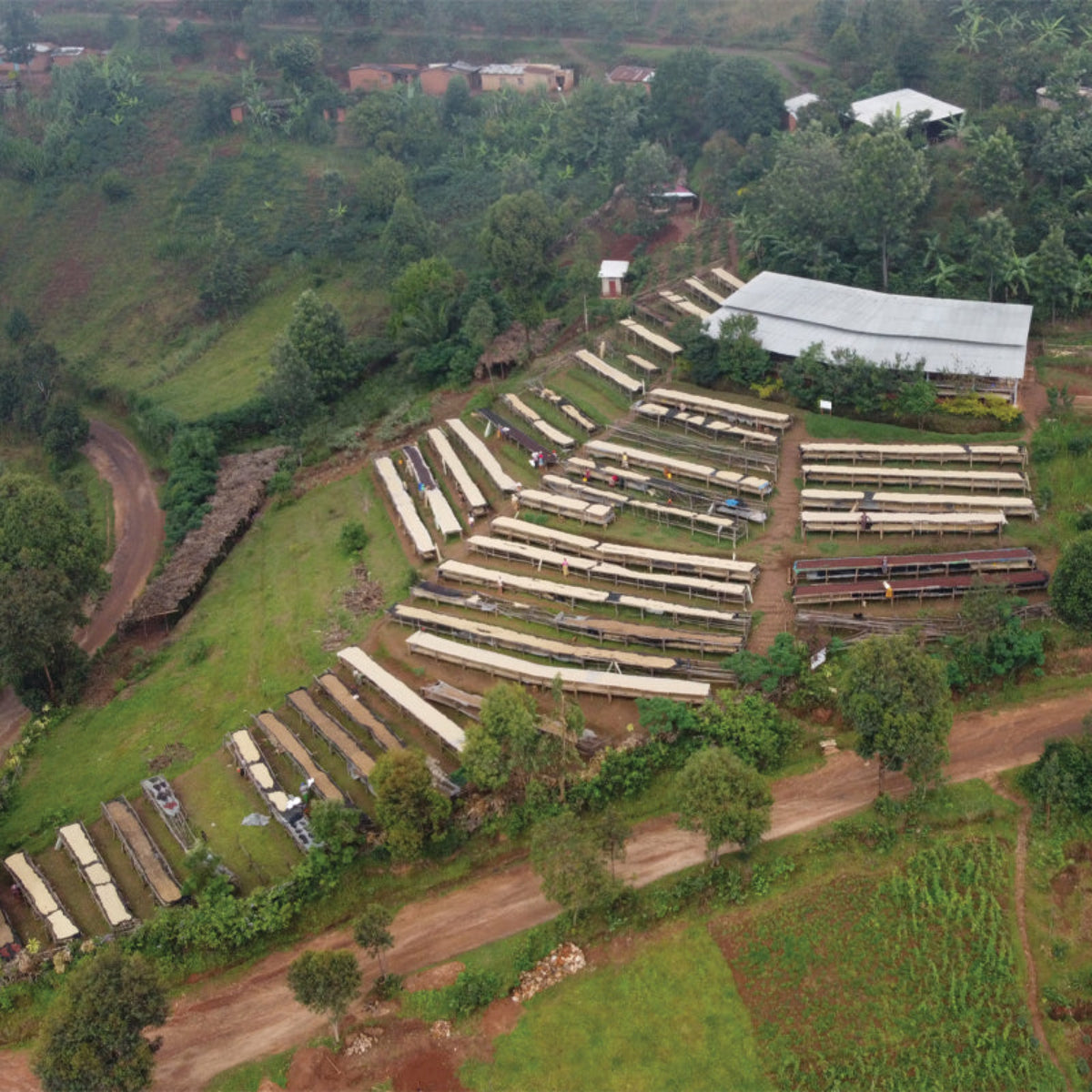
Arabica plants thrive at higher altitudes, usually between 900 and 2,000 meters. The cooler temperatures found in these mountainous regions slow the maturation of coffee cherries, allowing the beans inside to develop richer sugars and more complex flavours.
A consistent, mild climate with steady rainfall is crucial, as Arabica plants are sensitive to frost, drought, and extreme weather. Shade-grown practices are common to protect the plants and enhance bean quality by moderating temperature and encouraging slow growth.
Buying Arabica coffee beans: what to look for
If you’re searching for Arabica coffee beans in the UK or elsewhere, consider these factors to ensure quality:
- Origin: Single-origin beans showcase distinct regional flavours. Look for coffees specifying their country or region of cultivation.
- Freshness: Freshly roasted beans retain aromatic oils and sugars vital for great flavour. Buy from roasters who provide roast dates.
- Processing: Different methods like washed, natural, or honey process impact flavour. Washed beans tend to be cleaner and brighter, while natural processing can yield fruitier notes.
- Roast level: Light to medium roasts highlight Arabica’s characteristic fruity and floral notes, while darker roasts bring out chocolate and caramel flavours.
How to enjoy Arabica beans at home
To get the most from your Arabica beans:
- Grind fresh just before brewing to preserve flavours.
- Use brewing methods like pour-over, Aeropress, or French press that allow delicate flavours to shine.
- Experiment with water temperature and grind size to suit your taste.
Arabica coffee rewards patience and curiosity, offering an endless variety of taste experiences linked directly to its origin.
Final thoughts: why origin matters for Arabica beans
Arabica coffee’s flavour is deeply tied to where it’s grown. From Ethiopia’s wild forests to the highlands of Colombia and beyond, each region imparts unique characteristics to its beans. Understanding where Arabica beans come from helps you appreciate the story behind your cup and guides you to select coffees that match your palate.
Whether you’re a casual drinker or a dedicated enthusiast, exploring Arabica’s diverse origins is one of the most rewarding journeys in coffee.

Written by York Emporium